Engineered for high-volume ventilation, tropical climate resilience, and modern aesthetics in Sub-Saharan projects.
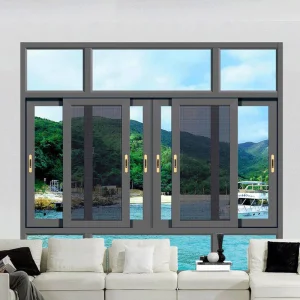
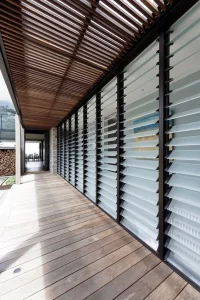
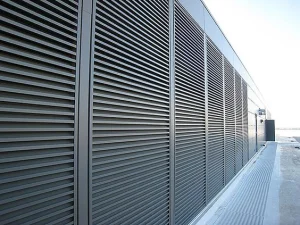
The Central African Republic (CAR), particularly urban centers like Bangui, Bimbo, and Berbérati, is witnessing a structural shift in building architecture. Under the influence of sub-Saharan tropical wet-and-dry climates, local construction requires materials that can mitigate intense solar radiation, tolerate heavy downpours, and facilitate natural convection cooling. Energy costs in CAR are relatively high, making passive cooling systems—such as high-efficiency louvre and jalousie windows—extremely vital for commercial, institutional, and residential projects alike.
Due to the lack of heavy domestic aluminum extrusion and processing plants in CAR, developers and state contractors heavily rely on importing engineered fenestration products. This import dynamic places a premium on sourcing structural components that are easy to assemble, resistant to laterite dust, and designed with high security. The demand is expanding from basic steel frames to high-performance, thermally broken aluminum alloy frames and multi-layered safety glass shutters that can withstand both weather extremes and security threats.
For procurement managers handling projects in Bangui, direct-to-factory sourcing from China offers unparalleled value optimization. Chinese manufacturing hubs combine large-scale extrusion systems, strict anodizing and powder-coating processes, and cost-effective assembly lines. Nanjing Spencer Window Co., Ltd. addresses the pain points of international delivery by ensuring precision packaging, rust-proof hardware, and modular pre-assemblies that minimize construction times on site.
Compared to European counterparts, Chinese-manufactured louvre systems offer deep structural customization options. Whether specifying high-tensile mesh integrations for insect protection or heavy-duty burglar-proof bars built directly into the window frame, Spencer provides specialized engineering adjustments. This flexibility guarantees that products shipped to CAR are fully customized for local structural codes and socio-environmental requirements.
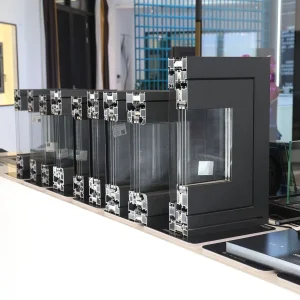
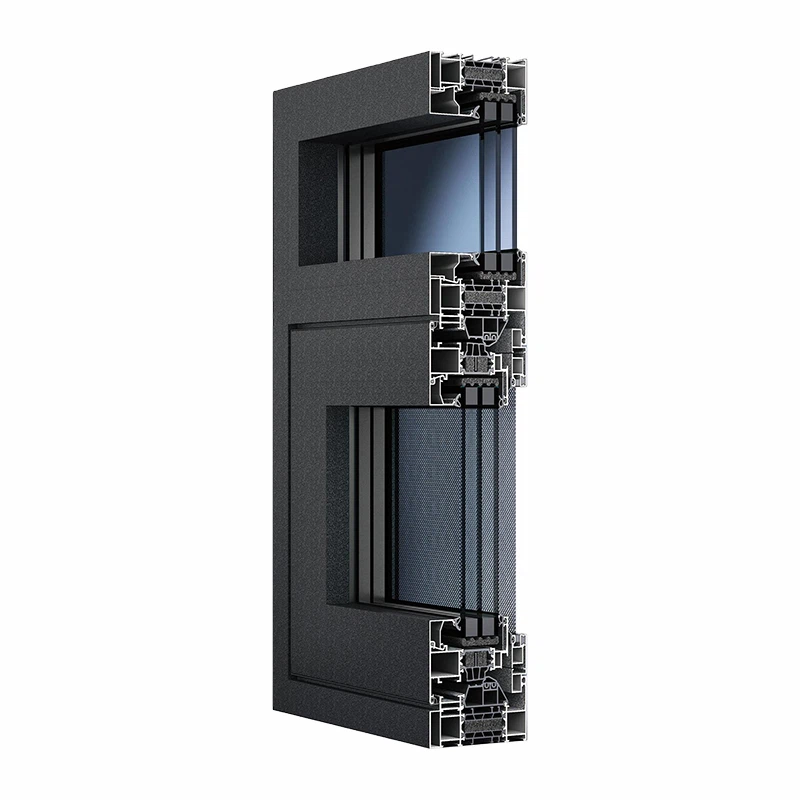
Precision-molded using 6063-T5 high-hardness alloy, with wall thicknesses exceeding 1.4mm to secure long-term architectural stability under high wind pressure.
Electrophoresis, anodizing, or PVDF coatings that exceed 15-25μm thickness. Prevents corrosion, UV bleaching, and wear from abrasive red dust storms.
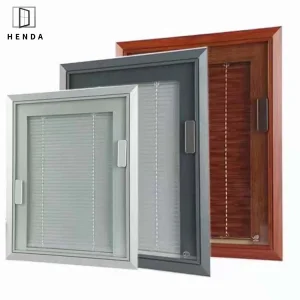
Reinforced double-glazed louver panels paired with internal burglar-proof screens or stainless steel mosquito netting for enhanced safety.
Modern developers in Central Africa must navigate complex design criteria. To achieve energy efficiency, structures must rely on ventilation layouts that encourage vertical thermal airflow. Properly placed louver windows can double the air exchange rate compared to sliding windows, significantly cutting down on internal air-conditioning demands.
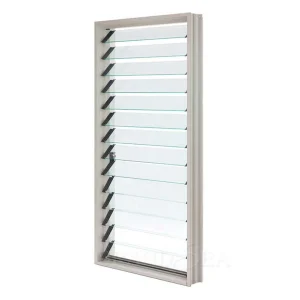
1. Public Infrastructure & Schools: Durability and maintenance-free operations are paramount. Manual, heavy-linkage steel-reinforced glass jalousie windows are recommended. These systems resist break-ins, allow maximum airflow during high-occupancy school hours, and keep light levels high without heat buildup.
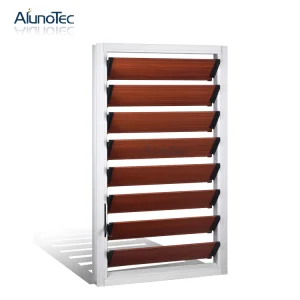
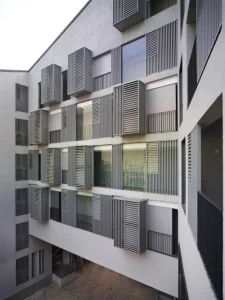
2. High-End Commercial Facades: Our aluminum profile waterproof shutter systems (such as the Attic Louver Blade configurations) offer clean, contemporary lines. These are highly compatible with automated glass-tilting systems linked to building management systems (BMS).
3. Residential Developments in High-Humidity Areas: Combining glass blades with manual safety handles and internal insect netting offers comfort, defense against mosquitoes, and precise wind control during the monsoon seasons.
The landlocked status of the Central African Republic presents unique transport logistics challenges. Shipping to CAR generally relies on ocean transport from ports in China to the port of Douala, Cameroon. From Douala, cargo is moved overland via the primary road transit corridor through Beloko straight to Bangui. With over a decade of export experience, Spencer Window guarantees logistics compliance that ensures seamless transit.
All window shipments are secured using heavy-duty plywood crates, reinforced with anti-vibration styrofoam padding, and packed tight to prevent humidity-induced damage in maritime environments. This minimizes breakage risk along overland shipping routes. Furthermore, Spencer provides complete commercial documentation—including bill of lading, certificates of origin, packing slips, and customs clearance support—to avoid unnecessary delay at border checkpoints.
Fully customizable sizes, finishes, and safety configurations to match your project specifications.
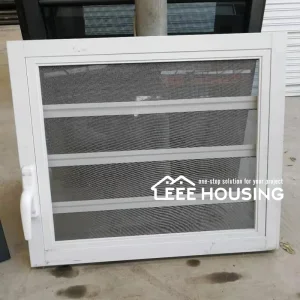
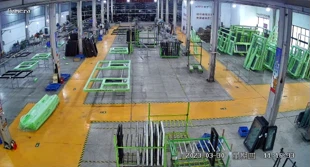
Nanjing Spencer Window Co., Ltd. was established in 2013 with a registered capital of RMB 20 million. The company operates a modern production base covering approximately 10,000 square meters. As an integrated enterprise combining research and development, manufacturing, and sales, Spencer specializes in aluminum alloy system doors and windows, offering solutions for both standard and high-end architectural applications.
With an annual production capacity of up to 100,000 square meters, the company’s products are widely used in residential buildings, commercial complexes, and industrial projects. By combining modern design concepts with durable materials and precise engineering, Spencer delivers door and window systems that feature excellent sealing performance, energy efficiency, and long-lasting reliability.
Nanjing Spencer Window Co., Ltd. follows the philosophy of “Quality First, Customer Foremost, Integrity-Based.” The company provides comprehensive services covering consultation, customized design, and after-sales support. By integrating innovation with craftsmanship, Spencer strives to create comfortable, energy-efficient, and aesthetically refined living spaces.
Key engineering, logistics, and material information for importers and construction engineers in CAR.
 Spencer Window