Namibia is experiencing a dynamic shift in architectural design, catalyzed by its expanding high-end ecotourism sector, real estate developments in Windhoek, and coastal residential growth in Swakopmund and Walvis Bay. However, the region presents severe environmental challenges that demand uncompromising engineering rigor from building material manufacturers.
In the arid interior, including Windhoek, structures are subjected to extreme diurnal temperature variations (ranging from cold winter nights to burning desert days) and intense UV radiation. Without high-performance thermal insulation, buildings suffer from massive energy loss. Conversely, along the Atlantic coast, the combination of dense fog, marine salt spray, and shifting sands creates a highly corrosive C5-M marine environment. Regular aluminum systems fail rapidly under these conditions, leading to pitting corrosion and mechanical failures.
"The Namibian coastal environment is one of the most corrosive in the world. Standard hardware and untreated aluminum profiles degrade within 24 months, highlighting the necessity for marine-grade powder coating and specialized stainless steel fittings."
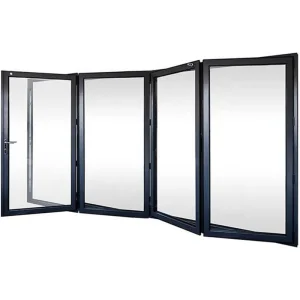
By supplying bifold systems equipped with heavy-duty thermal break barriers, multi-point lock mechanisms, and high-micron architectural powder coatings (conforming to Qualicoat standards), we ensure long-term durability. Our designs allow hospitality spaces and luxury residences to open up seamlessly to the sweeping Namibian landscape, without compromising thermal efficiency or security.
Modern international architecture places a heavy emphasis on natural light, fluid indoor-outdoor spaces, and spatial flexibility. Bifold windows and doors have evolved from luxury additions to core architectural requirements in modern residential, retail, and commercial design. The global market is witnessing an increased demand for minimal-frame designs that maximize glass area while maintaining structural integrity against high wind loads.
From a sustainability standpoint, international building codes (such as those in the EU and North America) are pushing for lower U-factors (thermal transmittance). To satisfy these demands, global manufacturers are integrating advanced multi-cavity thermal breaks, argon gas fillings, and low-emissivity (Low-E) coatings. The global supply chain has consolidated around advanced manufacturing centers capable of offering high customization options at competitive price points, allowing projects in emerging markets like Namibia to access premium-tier performance systems directly from source factories.
Nanjing Spencer Window Co., Ltd. was established in 2013 with a registered capital of RMB 20 million. The company operates a modern production base covering approximately 10,000 square meters. As an integrated enterprise combining research and development, manufacturing, and sales, Spencer specializes in aluminum alloy system doors and windows, offering solutions for both standard and high-end architectural applications.
With an annual production capacity of up to 100,000 square meters, the company’s products are widely used in residential buildings, commercial complexes, and industrial projects. By combining modern design concepts with durable materials and precise engineering, Spencer delivers door and window systems that feature excellent sealing performance, energy efficiency, and long-lasting reliability.
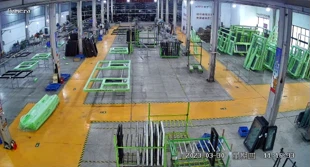
Purchasing directly from our factory in China offers Namibian developers, contractors, and architects significant structural advantages in terms of cost control, customization scope, and quality assurance. The Chinese manufacturing ecosystem benefits from deep vertical integration, allowing us to source premium raw materials and high-performance European-designed hardware at scale economies that are unavailable locally in Southern Africa.
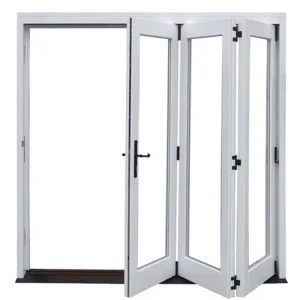
We deploy automated high-precision cutting centers that ensure profile tolerances are kept within fractions of a millimeter. This precision guarantees airtight alignment and effortless sliding mechanics in our bifold configurations.
To withstand long-distance maritime transit to Walvis Bay Port, all products are packed in custom wooden crates, layered with moisture-absorbent materials and heavy-duty protective corner caps.
Our production protocols align with strict ISO 9001 and CE certifications. Every batch undergoes air permeability, water tightness, and structural wind pressure simulation testing before shipping.
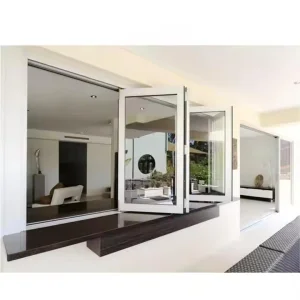
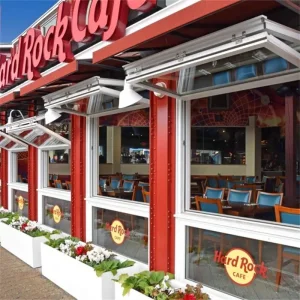
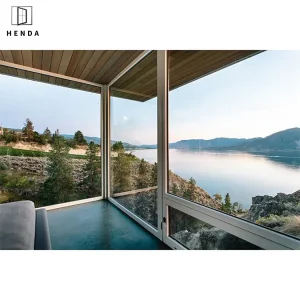
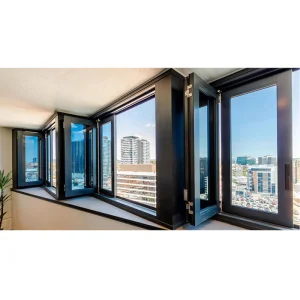
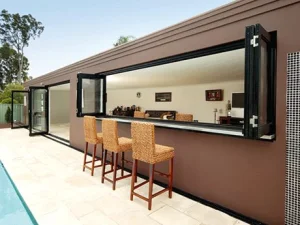
For safari properties in regions like Sossusvlei, Etosha, or the Caprivi Strip, panoramic views are the primary selling point. Spencer's bifold windows allow entire walls to disappear, inviting the wilderness in while keeping out insects (via integrated mesh screens) and sealing tightly against sudden desert dust storms when closed.
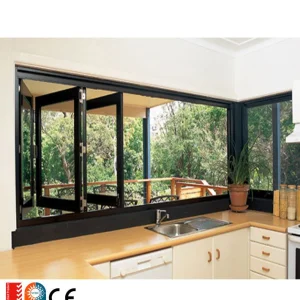
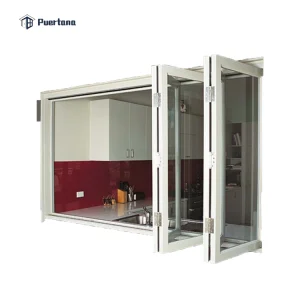
In Windhoek's central business district, modern office spaces and upscale restaurants require dynamic ventilation solutions and structural soundproofing. Our thermal break folding window configurations minimize energy consumption by reducing reliance on air conditioning, aligning projects with green building initiatives.
Properties overlooking the Atlantic ocean in Langstrand or Swakopmund demand maximum resistance to saline corrosion. By utilizing marine-grade double-glazed units and heavy-duty 316 stainless steel friction hinges, Spencer’s window systems ensure smooth mechanical movement despite exposure to constant sea air and salt mist.
Nanjing Spencer Window Co., Ltd. manufactures products that strictly adhere to international engineering standards. The following parameters showcase our capabilities in comparison to generic standard-size window fabricators:
By leveraging high-quality tempered safety glass and robust thermal breaks, our systems prevent heat transfer between the exterior and interior, keeping rooms comfortable and energy-efficient year-round. This makes Spencer’s window designs a highly rational investment for any commercial developer in the SADC (Southern African Development Community) region.
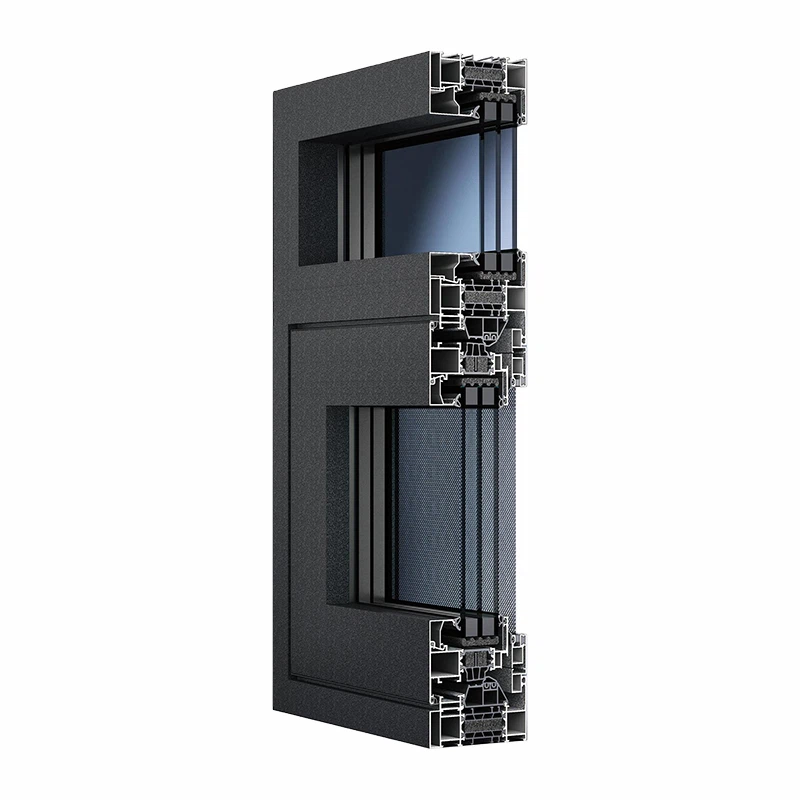
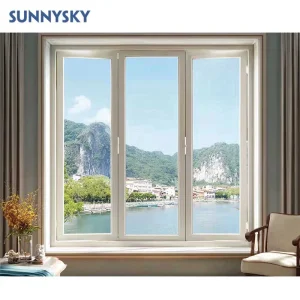
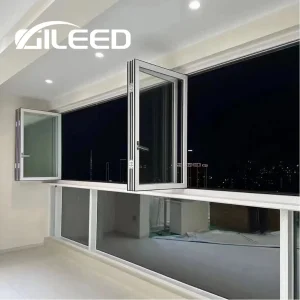
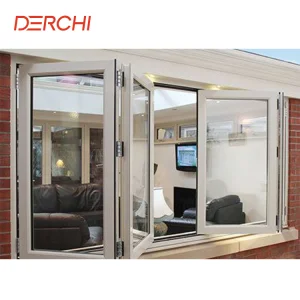
Double Inward Opening System Windows showing internal structural frame and thermal break technology.
 Spencer Window