Explore our elite selection of CE-compliant, high-performance structural systems engineered for advanced structural integrity, thermal efficiency, and climate-adaptive building automation.
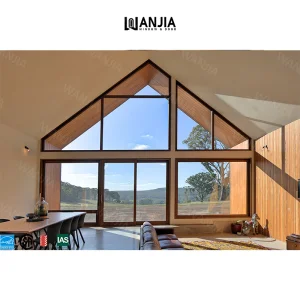
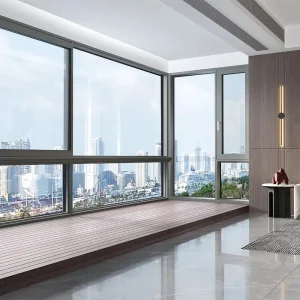
Wanjia Interior Panoramic Double Glazing Picture Fixed Thermal Break Aluminum Fixed Window
Technical Specs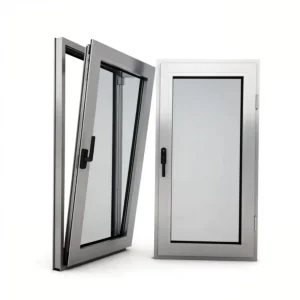
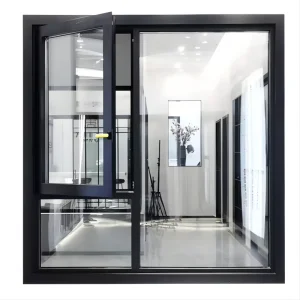
Narrow Bezel, Outward-Opening and Inward-Tilting Aliuminum Awning Windows, Minimalist Design
Technical Specs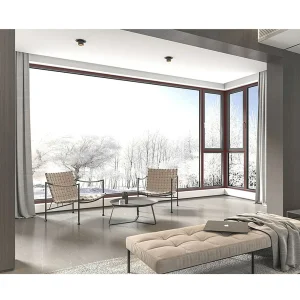
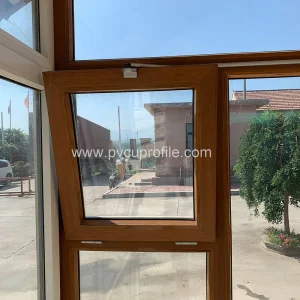
German Technobond PA66/GF25 Nylon Fiberglass Thermal Break Classic Aluminum Casement System Window
Technical Specs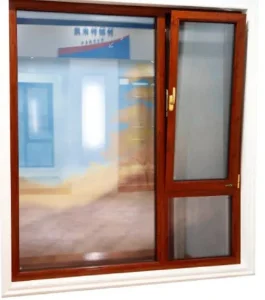
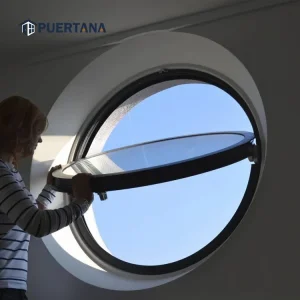
Thermal Break Aluminum Casement Window Designed for Hurricane with Sound Heat Insulated Glass Hurricane Impact Windows
Technical SpecsIn contemporary architectural engineering, the building facade has evolved from a static thermal barrier into an active, intelligent interface that responds dynamically to environmental fluctuations. Foremost among these advancements is the integrated CE Certified Rain Sensor Window, a system designed to reconcile the competing demands for natural, energy-saving ventilation and absolute structural protection against sudden meteorological events. As a leading manufacturer at the intersection of micro-electronics and structural glazing design, we supply architectural solutions that protect long-term physical assets while actively lowering structural carbon expenditures.
Modern commercial infrastructure demands an integrated approach to fenestration. Industrial procurement officers and principal architects no longer view window assemblies as isolated millwork components; instead, they are evaluated as dynamic thermodynamic controllers. Rain sensor-equipped window assemblies provide the primary physical safeguard against interior moisture intrusion, water damage, and microclimate degradation in high-occupancy corporate structures, luxury residential estates, and complex multi-story building systems. By leveraging precise automated linear actuation synchronized with real-time localized climatic monitoring, our window solutions establish an uncompromised standard for modern intelligent building envelopes.
A Decade of Architectural Precision, Heavy-Duty Manufacturing Infrastructure, and Engineering Innovation
Nanjing Spencer Window Co., Ltd. was established in 2013 with a solid registered capital of RMB 20 million, transforming into an internationally recognized power in advanced structural glazing systems. The company operates a fully optimized, modern production ecosystem covering approximately 10,000 square meters of state-of-the-art manufacturing space. As a fully integrated industrial enterprise, Spencer seamlessly combines advanced fundamental research and development, multi-axis computerized precision manufacturing, and comprehensive global technical sales infrastructure, positioning itself as an elite specialized manufacturer in aluminum alloy system windows and complex architectural configurations.
With a stabilized annual manufacturing throughput scaling up to 100,000 square meters of finished fenestration matrices, the company’s structural systems are widely deployed across high-tier residential developments, complex high-rise commercial structures, and institutional industrial projects. By blending contemporary avant-garde architectural aesthetics with heavy-duty structural components, precision-engineered thermal barriers, and advanced automation, Spencer delivers door and window assemblies characterized by supreme air-tight sealing metrics, long-term environmental durability, and structural reliability under maximum atmospheric load conditions.
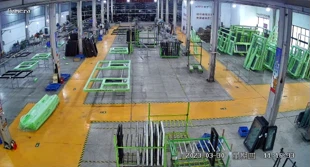
Spencer ISO 9001 and CE Certified Corporate Manufacturing Headquarters
Year Established
Registered Capital (RMB)
Modern Production Facility
Annual Production Capacity
Engineered Fenestration Systems Tailored for Dynamic Climates and Structural Rigor
Nanjing Spencer Window Co., Ltd. architects a versatile, deeply engineered ecosystem of structural window and door profiles explicitly engineered to meet the stringent demands of complex international building projects. Our comprehensive portfolio encompasses specialized heavy-duty casement profiles, high-load horizontal and vertical sliding layouts, minimalist structural sightline profiles, integrated heavy-duty insect screen sub-frames, and thermally broken insulated aluminum alloy configurations alongside bespoke high-load architectural sunrooms. Through computational structural engineering and highly flexible system modulation, our engineering department customizes every architectural profile to align precisely with specialized structural wind loads, specific acoustic mitigation envelopes, and complex geographic thermal zones.
Our flagship Rain Sensor Windows feature embedded automation components completely integrated within the window frame profiles. These units feature high-efficiency brushless linear micro-actuators, hidden electrical raceways, and advanced optoelectronic sensor modules that distinguish actual precipitation from ambient condensation, structural cleaning fluids, or dust accumulation. When raindrops impinge upon the specialized sensor plate, a computerized command signal activates the internal drive mechanism, securely locking the multi-point interlocking hardware within 4 to 7 seconds, ensuring absolute sealing performance against horizontal wind-driven rainstorms.
Engineering Metric: Every rain-automated window unit undergoes rigorous cycling testing, exceeding 50,000 continuous opening and closing sequences under extreme load conditions without mechanical degradation or signal latency.
Where Precision Metallurgy Meets Sophisticated Digital Automation
All aluminum extrusions undergo high-precision cutting, routing, and drilling on fully automated multi-axis CNC machining centers, guaranteeing tolerances within ±0.1mm for perfect structural alignment.
We leverage premium German Technobond PA66/GF25 nylon fiberglass thermal break structures, drastically minimizing conductive heat transfer coefficients and preventing internal structural sweating.
Automated window systems incorporate micro-chip controllers and weather-shielded piezoelectric sensors designed to execute real-time weather assessment and integrate natively with global building management systems (BMS).
The implementation of specialized automated rain-sensing windows is critical across diverse high-value structural installations:
At high structural elevations, wind speeds and mechanical wind pressures multiply exponentially, turning sudden precipitation into a severe threat to structural interiors. Integrated rain-sensing window frames monitor macro-climatic changes, automating perimeter windows to prevent high-velocity moisture entry, which protects expansive open-plan commercial floors and complex data infrastructure from catastrophic water damages.
For modern smart residences, luxury aesthetics demand expansive glass expanses and regular natural cross-ventilation. Our minimalist, narrow-bezel rain-sensing windows link with existing home automation platforms (such as KNX, Zigbee, or Crestron via dry contacts or RS485 protocols). This setup permits completely hands-free climate tuning, automatically closing structural window vents the instant rain occurs, even while the occupants are away from the estate.
In sterile environments, unexpected moisture intrusion can ruin cleanroom air parameters, leading to biological mold growth and compromising sterile work zones. Automated fenestration ensures an absolute air and water seal, preserving targeted indoor air quality indices and strict environmental control criteria.
Operating as an elite global industrial partner, Nanjing Spencer Window Co., Ltd. eliminates regulatory barriers by implementing deep localization engineering and obtaining extensive international product verifications. Our rain-sensing motorized assemblies carry comprehensive CE Certification, certifying full alignment with all mandatory European Union construction product directives, health regulations, safety rules, and environmental protection guidelines.
Our systems conform directly to the following technical testing baselines:
To support global developers, we collaborate directly with international architecture and engineering firms to provide precise local wind-load compliance documentation, architectural CAD drawings, comprehensive BIM models, and tailored voltage adaptations (24V DC for centralized building automation safety or 110V-240V AC for individual custom installations) matching target regional grids across Europe, North America, the Middle East, and the Asia-Pacific region.
Procuring heavy-duty automated fenestration systems from our specialized manufacturing hub in Nanjing, China offers massive commercial advantages for international developers, real estate consortia, and large-scale architectural trade distributors. By centralizing raw primary aluminum alloy extrusion processing, state-of-the-art glass tempering and double-glazing production, precise computerized hardware assembly, and advanced automation stress testing within a unified production center, Spencer delivers exceptional cost efficiency without sacrificing quality.
Our localized industrial supply chain ecosystem connects us with prime raw material resources, allowing us to maintain stable, long-term multi-year pricing structures and resilient product lead times despite volatile global material markets. Furthermore, our strategic proximity to premier international maritime shipping hubs in Shanghai and Ningbo enables efficient container packing, robust moisture-proof shipping preparations, and rapid transit times to global industrial ports. Our clients benefit from optimized capital allocation, fast procurement cycles, and direct factory-to-site engineering support that reduces total construction phase timelines.
The global construction sector is undergoing a massive transformation driven by strict carbon-neutral targets, net-zero energy building (NZEB) regulations, and the rapid adoption of internet-of-things (IoT) architectural infrastructure. Standard static windows are being phased out in favor of dynamic, responsive building components. Automated rain sensor windows play a vital role in this environmental shift by enabling passive cooling techniques through controlled night ventilation. By automatically opening to flush hot indoor air and closing securely when rain or wind storms hit, these systems drastically lower operational HVAC energy demands.
Looking ahead, future fenestration models will integrate advanced multi-sensor arrays—combining rain detection with internal carbon dioxide sensors, volatile organic compound (VOC) monitors, and external particulate matter (PM2.5) tracking. This allows the building envelope to operate as a fully autonomous lung, refreshing indoor air when environmental conditions are optimal and locking down to maintain a protective barrier against external pollutants or harsh weather. Additionally, developments in photovoltaic-integrated glass frames will soon power micro-actuators using built-in solar arrays, creating a completely self-sustaining automated window module.
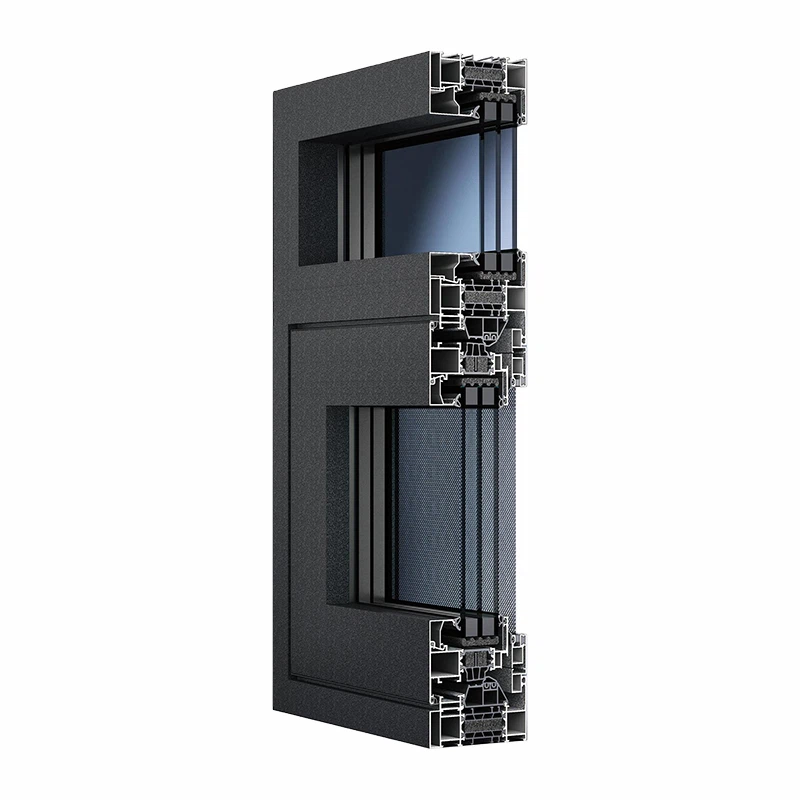
Spencer 100 Series Double Inward Opening Ultra-Quiet Multi-Point Interlocking System Window
Technical Clarifications for Architectural Engineers, Estimation Managers, and Principal Procurement Officers
Our standard intelligent automated window profiles utilize a safe 24V DC linear actuation framework, which is highly recommended for commercial projects requiring integration with master Fire & Smoke Evacuation Systems or centralized Building Management Systems (BMS). However, for specific localized residential applications, we offer customized integrated transformer modules that support standard 110V to 240V AC inputs directly within the frame sub-profiles.
The specialized sensors utilize advanced heated gold-plated grid sensor elements or specialized piezoelectric crystals. The integrated heating element quickly evaporates early-morning dew or ambient frost, preventing false closing triggers. The microcontroller analyzes the impact force or structural impedance variance across the surface, ensuring the mechanism is triggered exclusively by actual raindrops.
For standard architectural profiles, our typical manufacturing cycle spans 30 to 45 calendar days from final CAD sign-off and receipt of deposit. For highly customized projects requiring specialized powder coating finishes (such as custom Interpon or Tiger finishes) or specific structural glass configurations, the timeline adjusts to 50 days, depending on project scale.
Yes. Our motorized window hardware controls feature versatile dry contact connections, RS485 Modbus interfaces, or integrated Wi-Fi/Zigbee chips. This allows them to interface seamlessly with major home automation and commercial control platforms, including KNX, Crestron, Control4, and automated industrial PLC panels.
We provide a comprehensive 10-year structural warranty on our heavy-duty T6 structural aluminum profiles and architectural glazing seals. The motorized components, including the micro-linear actuators, control chips, and rain sensor components, carry a 5-year replacement warranty, backed by full technical support and component provisioning.
Explore our extended line of high-performance architectural systems, precision-engineered to meet stringent international building standards and modern design demands.
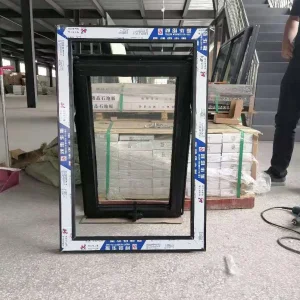
Vertical Pivot Opening Aluminum Awning Top Hung Windows Vertical Hinged Window with Tempered Glass
Technical Specs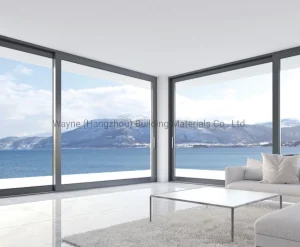
Factory Price New Grill Design Aluminium Aluminum UPVC Double Triple Glazing Glazed Sliding Casement Awning Tilt Turn Top Double Single Hung Glass PVC Window
Technical Specs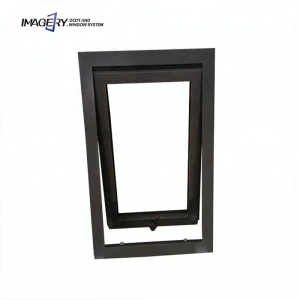
Commercial Residential Energy Efficient American Aluminum Window Hopper Top Hinged Awning Window
Technical Specs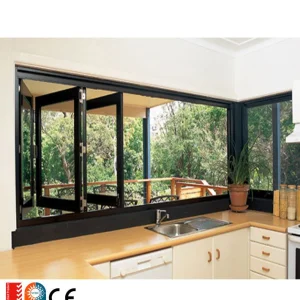
Fold up Black Aluminium Bifold Windows Double Glazed Glass Aluminum Balcony Vertical Folding Window with Inside Grill
Technical Specs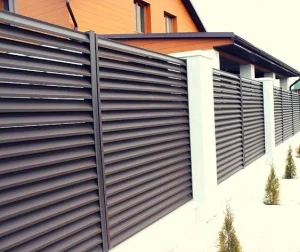
Foshan Customized Philippines Vietnam Standard China Manufacturer Aluminum Alloy Aluminium Blind Shutter Louver Jalousie Window Louvre Blade Windows Residential
Technical Specs Spencer Window