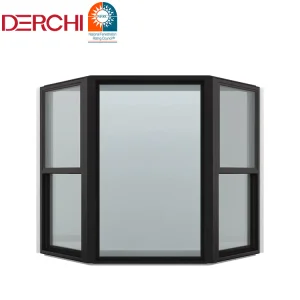
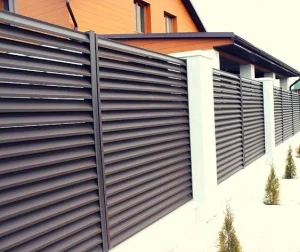
Engineered systems matching strict architectural specs, international structural codes, and thermal load requirements.
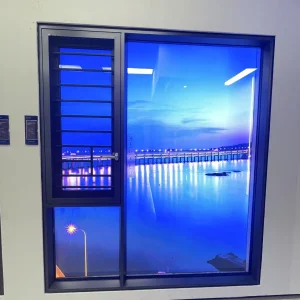
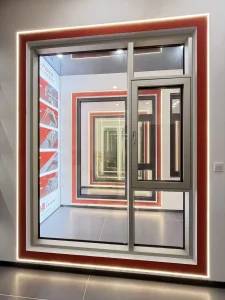
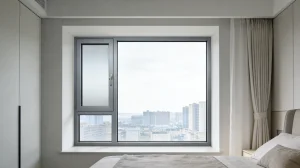
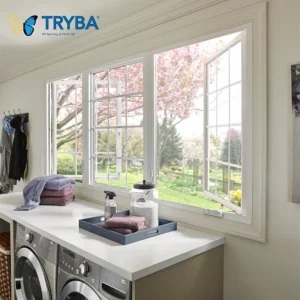
Nanjing Spencer Window Co., Ltd. was established in 2013 with a registered capital of RMB 20 million. Operating from a highly modernized, state-of-the-art production base extending across approximately 10,000 square meters, Spencer stands as a premier integrated enterprise orchestrating cutting-edge Research & Development, advanced precision manufacturing, and comprehensive global sales of high-performance architectural systems.
Our operation specializes exclusively in premium aluminium alloy system doors and windows, structural curtain walls, and specialized building envelope designs. With an annual production capacity reaching up to 100,000 square meters, Spencer's solutions are engineered to support commercial, residential, and complex industrial construction projects worldwide.
Integrating modern German engineering concepts with robust material science, we execute high-specification profiles featuring superior thermal performance, acoustic buffering, watertightness, and wind-load resistance. Every door and window system leaving the production line represents our core values: technical expertise, structural reliability, and long-lasting energy efficiency.
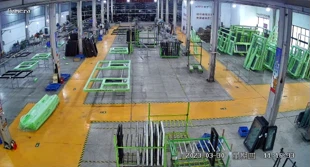
Analyzing the industrial ecosystems and technological infrastructure that render Chinese fenestration systems unmatched globally.
Chinese manufacturers utilize massive industrial extrusion presses (ranging from 1,000 to over 10,000 metric tons) capable of processing 6063-T5 and T6 structural aluminum. This enables the fabrication of complex multi-chamber profiles with high structural wall thicknesses (up to 3.0mm), providing superior mechanical properties compared to lighter Western alternatives.
Access to world-class glass processors like CSG, Xinyi, and Jinjing allows Chinese factories to integrate specialized glazing options. These include triple-silver Low-E coatings, warm-edge spacers (e.g., Technoform), argon gas fillings (>90%), and structural laminated glass directly at the assembly plant, greatly reducing shipping logistics risk.
By leveraging digital precision machining systems, factories minimize structural tolerances. Our lines feature automated sawing, milling, and corner-crimping machinery. This level of automation guarantees that wind-load resistance and waterproofing channels conform to CAD layouts, mitigating risks for international project sites.
Our products feature high levels of thermal insulation, sound attenuation, and mechanical durability.
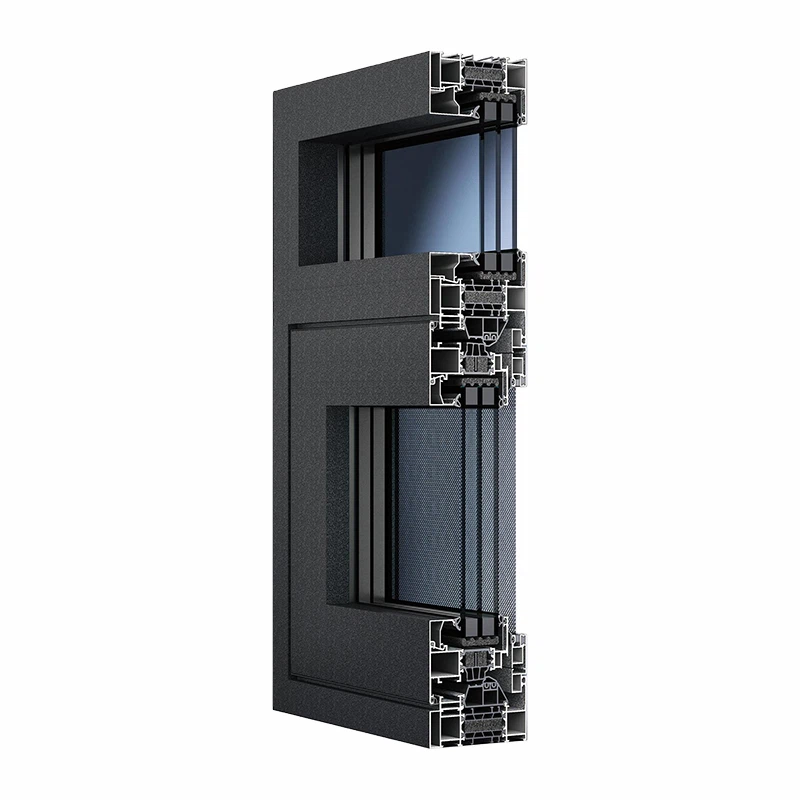
Spencer's door and window systems incorporate structural polyamides (PA66 GF25) to create high-performance thermal breaks. Unlike standard poured-and-debridged polyurethane fills, our polyamide strips separate internal and external aluminum frames. This effectively eliminates thermal bridging, helping projects achieve low U-values (Uf values down to 1.0 W/m²K).
To support high-density metropolitan residential developments, Spencer's products utilize optimized acoustic engineering. By integrating triple-layer glass assemblies with argon-filled spaces and acoustic PVB layers, our windows reduce noise transmission by up to 45 decibels (dB), keeping interior spaces quiet and comfortable.
Adapting system configurations to meet local environmental, regulatory, and architectural needs.
High wind loads and salt air in coastal regions demand heavy-duty window solutions. Spencer's structural aluminum profiles feature structural glass integration and thick wall sections that resist extreme pressures. Anodized surface finishes prevent corrosion from salt-laden humidity.
To meet low-carbon building targets (like LEED or Passive House certifications), we supply triple-glazed, argon-filled systems. These options achieve low U-values, minimizing heating and cooling loads to significantly reduce energy costs over the building's lifespan.
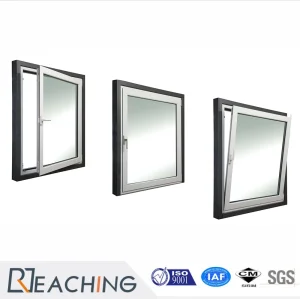
Urban commercial and residential hubs require space-saving, high-performance systems. Our slimline casements, tilt-and-turn windows, and heavy-duty sliding systems combine high-end design with acoustic and thermal performance to match modern architectural trends.
Key innovations driving performance, sustainability, and design in the modern architectural window sector.
Electrochromic and thermochromic glass are increasingly integrated with aluminum frames. These smart systems adjust their solar heat gain coefficient (SHGC) dynamically based on sunlight, reducing energy loads without relying on mechanical blinds.
Architects continue to favor large glass surfaces with minimal visible frames. System windows now use concealed hinges and slim frame sightlines (down to 20mm-30mm) while maintaining high structural performance and load-bearing capacity.
Regulatory frameworks are driving demand for low-embodied-carbon building materials. Leading factories use post-consumer recycled aluminum and bio-based polyamide thermal strips to reduce carbon footprints and support green building certifications.
Developers, facade contractors, and EPC firms need more than just high-quality products. They require a manufacturing partner capable of navigating complex supply chains, international standards, and demanding project timelines.
Nanjing Spencer Window Co., Ltd. supports global clients through every project phase:
Clear answers to key questions about sourcing, technical standards, customization, and logistics for large-scale projects.
We work closely with project architects and engineers to review local wind-load, thermal, and seismic requirements. Our systems are engineered and tested to comply with international standards, including CE for Europe, AS2047 for Australia, and NFRC/AAMA for North America, with full documentation provided for approval.
Lead times depend on profile complexity and material schedules. Standard colors and profiles typically ship within 35 to 45 days after CAD approval and deposit payment. Custom extrusion runs or specialized hardware configurations may require 50 to 60 days.
Aluminum is a natural heat conductor. Thermal break systems insert a low-conductive polyamide strip (PA66 GF25) between the inner and outer aluminum frames. This thermal barrier significantly reduces heat transfer, helps lower HVAC energy use, and prevents condensation on interior frame surfaces.
We offer PVDF coatings, powder coatings, and anodized finishes. For architectural harmony, we support dual-color configurations, allowing different colors on interior and exterior profiles to match both inside spaces and exterior facades.
Explore more high-performance fenestration designs, custom options, and localized solutions.
 Spencer Window