Engineered for thermal efficiency, acoustic isolation, and structural resilience in green building designs.
How high-performance fenestration is driving the global transition toward net-zero energy buildings (NZEBs).
The global construction sector is undergoing a massive paradigm shift. With buildings accounting for nearly 40% of global energy-related carbon emissions, regulatory frameworks like the EU's Energy Performance of Buildings Directive (EPBD) and the US Inflation Reduction Act (IRA) are mandating unprecedented levels of thermal efficiency. Within this context, the window is no longer viewed merely as a transparent opening, but as a highly engineered thermal barrier and energy-harvesting component.
Modern green building windows leverage advanced materials such as aerogel insulation, vacuum-insulated glass (VIG), and multi-cavity thermal breaks to achieve exceptionally low U-factors. In regions with extreme climates, the demand for triple and quadruple glazing with low-emissivity (Low-E) coatings has transitioned from a premium niche to a baseline building code requirement.
Meeting strict LEED, BREEAM, and Passive House certifications by minimizing thermal bridging and optimizing solar heat gain coefficients (SHGC).
Incorporating electrochromic glass and automated ventilation systems that respond dynamically to external weather conditions.
Utilizing high-recycled-content aluminum and bio-based PVC composites to reduce the embodied carbon of the fenestration systems.
A leading force in precision-engineered architectural window and door systems.
Nanjing Spencer Window Co., Ltd. was established in 2013 with a registered capital of RMB 20 million. The company operates a modern production base covering approximately 10,000 square meters. As an integrated enterprise combining research and development, manufacturing, and sales, Spencer specializes in aluminum alloy system doors and windows, offering solutions for both standard and high-end architectural applications.
With an annual production capacity of up to 100,000 square meters, the company’s products are widely used in residential buildings, commercial complexes, and industrial projects. By combining modern design concepts with durable materials and precise engineering, Spencer delivers door and window systems that feature excellent sealing performance, energy efficiency, and long-lasting reliability.
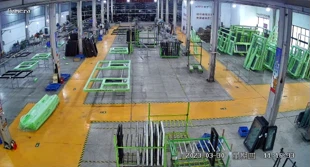
How Spencer integrates precision engineering with sustainable design principles.
Spencer utilizes multi-cavity polyamide thermal barrier strips (PA66 GF25) that physically separate the interior and exterior aluminum profiles. This drastically reduces conductive heat transfer, preventing condensation and maintaining stable indoor temperatures regardless of external weather extremes.
Our systems support double and triple glazing configurations filled with 90%+ Argon gas. Paired with warm-edge spacers and low-emissivity (Low-E) coatings, our windows achieve U-values that meet the stringent requirements of modern green building codes globally.
Designed for high-rise residential and commercial applications, Spencer's window profiles are extruded from high-strength 6063-T5/T6 aluminum alloy. This ensures superior resistance to wind pressure, deflection, and structural fatigue under severe weather conditions.
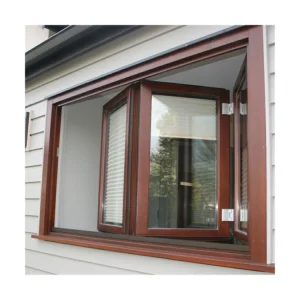
By implementing multi-layered EPDM sealing gaskets and specialized acoustic PVB laminates, our triple-glazed casement windows achieve sound transmission class (STC) ratings of up to 45dB, effectively isolating urban noise pollution.
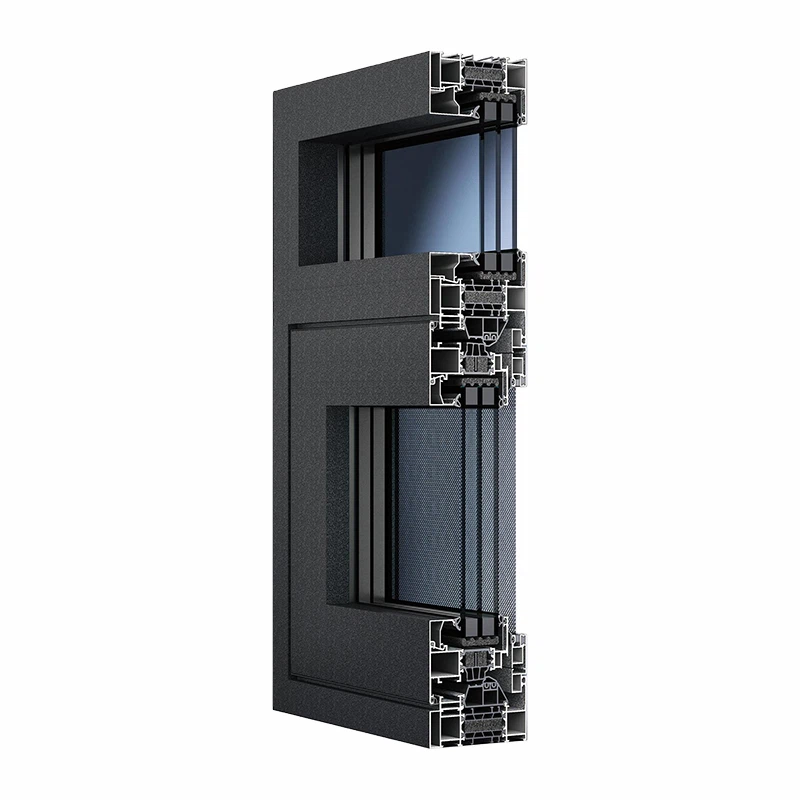
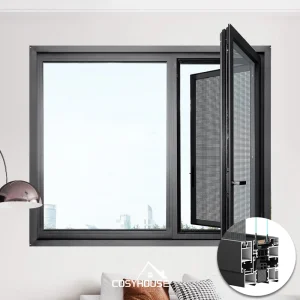
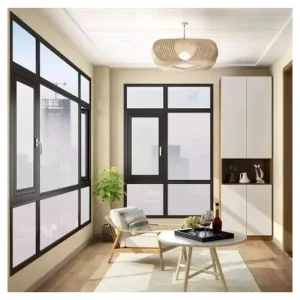
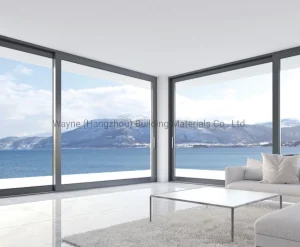
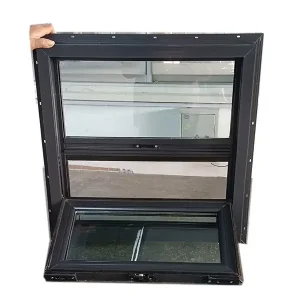
Designed for high-end residential apartments, this system combines inward-opening sash functionality with integrated insect screens. The multi-chambered profile design maximizes thermal insulation while maintaining a sleek, modern architectural aesthetic. It represents the pinnacle of Spencer's commitment to combining craftsmanship with energy-efficient technology.
Tailoring fenestration engineering to regional climatic and regulatory demands.
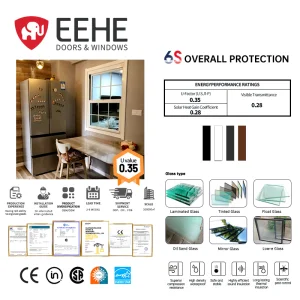
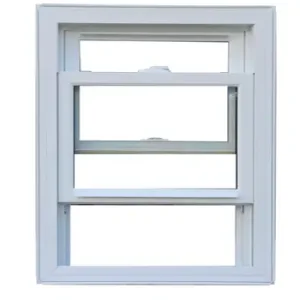
For regions requiring strict compliance with NFRC (National Fenestration Rating Council) standards, we provide customized vinyl (UPVC) double-hung and sliding windows. These systems are optimized for low U-factors to resist harsh winter conditions in the northern US and Canada, as well as hurricane-impact resistant variants for coastal zones.
European projects demand ultra-low thermal transmittance. Our triple-glazed tilt-and-turn systems are engineered to meet Passive House criteria, utilizing warm-edge spacers, low-E coatings, and multi-point locking hardware to guarantee airtightness and minimize thermal bridging.
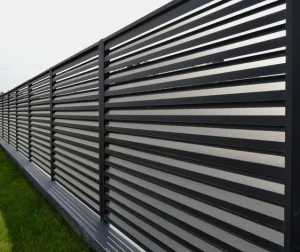
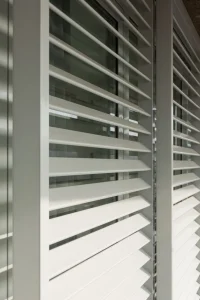
In tropical climates like the Philippines and Vietnam, the focus shifts to wind-load resistance, water tightness, and ventilation. Our customized aluminum alloy louver and jalousie windows offer optimal ventilation control while maintaining structural integrity against typhoon-force winds.
Spencer's strategic path toward carbon-neutral manufacturing and next-generation fenestration.
Transitioning from traditional triple glazing to double-glazed VIG systems, achieving equivalent thermal performance at half the weight and thickness, reducing structural loads on building facades.
Increasing the ratio of post-consumer recycled aluminum in our extrusions to over 75%, significantly lowering the embodied carbon footprint of our finished window systems.
Developing transparent solar-harvesting window glass that generates electricity from window surfaces, transforming facades into active power-generation units.
Technical insights for architects, developers, and procurement managers.
Customizable architectural solutions for diverse structural requirements.
 Spencer Window