7 Best Reasons Why Sliding Windows Suit Modern Kitchens?

Time:2026-09-20 Author:Henry
0%

Modern kitchens are no longer hidden workrooms. They are bright, social spaces where cooking, dining, and conversation overlap. This shift raises a practical question: Why are sliding windows common in modern kitchen designs?

The answer is not simply fashion. Sliding windows create wide openings without demanding exterior space for hinged sashes. That matters beside a narrow countertop, sink, or breakfast nook. One panel glides sideways, allowing fresh air to enter while the work surface remains usable. On a warm morning, a homeowner can slide the window open, pass a cup of coffee outside, and keep both feet inside the kitchen. Small details matter.

Johnny Grey, an internationally recognized kitchen designer, once said, “The kitchen is the heart of the home.” His observation helps explain the appeal of these windows. They connect the kitchen with gardens, balconies, and outdoor seating. They also bring daylight onto cutting boards, stone counters, and stainless-steel fixtures. Yet sliding windows are not automatically perfect. Tracks can collect crumbs. Poor seals may reduce insulation. Large glass areas can also increase heat gain in sunny rooms.

This guide examines seven practical reasons sliding windows suit contemporary kitchens. It considers ventilation, daylight, space efficiency, cleaning access, outdoor connection, energy performance, and visual simplicity. The benefits depend on correct sizing, durable hardware, and professional installation. A beautiful window that sticks after six months is not a successful design choice. The strongest results come from balancing appearance with daily kitchen habits.
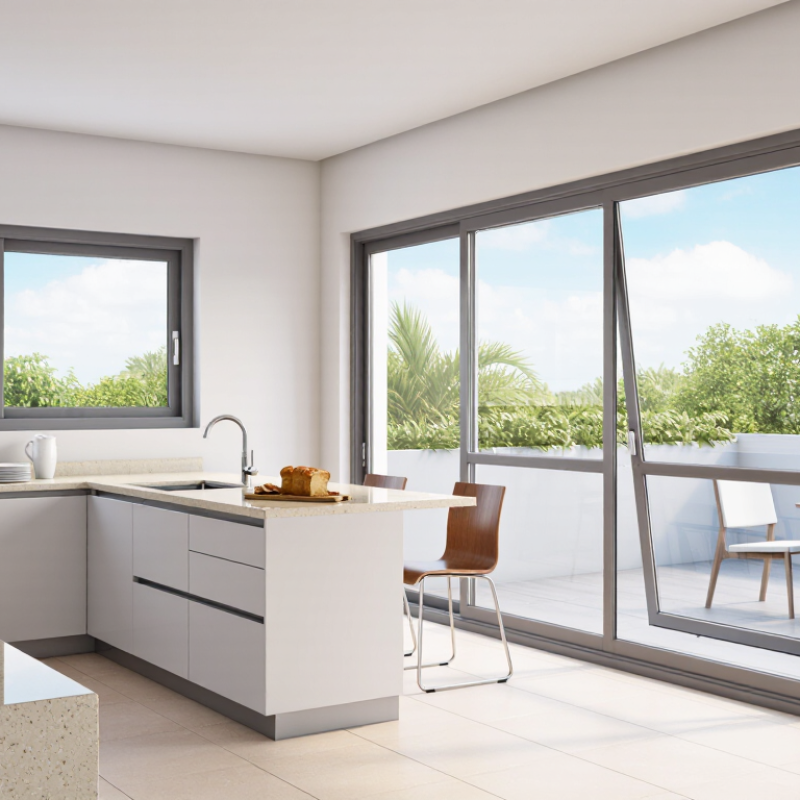
7 Best Reasons Why Sliding Windows Suit Modern Kitchens?

What Sliding Windows Are and How They Work in Modern Kitchens

Sliding windows are made of two or more glass panels, with at least one panel moving horizontally along a track. Rollers support the sash, while weather seals reduce drafts and moisture. In a modern kitchen, this movement needs less clearance than a swinging window. That matters beside counters, sinks, and dining areas.

Sliding windows also offer wide daylight, controlled ventilation, easier operation, and unobstructed garden views. Cleaning can be simpler, especially with removable interior panels.

25–30%

The U.S. Department of Energy reports that windows can cause 25–30% of residential heating and cooling energy use.

Performance therefore depends on more than appearance. Check the window’s U-factor and solar heat gain coefficient through National Fenestration Rating Council guidance. Lower U-factor usually means better insulation. A suitable solar heat gain coefficient depends on climate and window direction.

In a hot kitchen, unwanted afternoon sun can increase indoor discomfort. In a cold climate, useful sunlight may support passive warmth. It is not magic. Poor installation can still create air leaks.

Tips:

Measure the countertop height before ordering.
Keep handles reachable from the sink.
Choose corrosion-resistant tracks near steam and splashes.
Ask the installer about drainage paths and seal replacement.
Test the rollers in person; a smooth sample may hide weak hardware.

I would also leave enough wall space for curtains or blinds. This detail is easy to miss, and daily cooking exposes every small inconvenience.

Sources: U.S. Department of Energy, Energy Saver; National Fenestration Rating Council, residential window performance guidance.

How Sliding Windows Improve Kitchen Ventilation and Natural Light

In a working kitchen, steam quickly settles on cabinets, walls, and nearby glass. Sliding windows provide a practical opening for releasing warm, humid air. Their horizontal movement saves space beside sinks, counters, and preparation areas. When cooking, I can open the window without moving a tap, utensil, or appliance. That small convenience matters during busy meal preparation. Fresh air enters at a controlled pace.

Natural light also changes how a kitchen feels and functions. A wide glass panel can brighten a dark countertop without using electric lights during the day. It helps reveal food color, surface stains, and small spills more clearly. Morning light may create a pleasant workspace. Direct afternoon sunlight can cause glare, though. I once placed a cutting board beside a bright window and struggled to see fine details. That mistake reminded me that light needs control, not simply more glass.

Effective results depend on layout, weather, and window size. Measure the airflow path before installation. An opposite door or opening can create a stronger cross-breeze. A secure screen supports ventilation while limiting insects. Clean the sliding track regularly, because grease and dust can restrict smooth operation. Ventilation should not replace a suitable cooking exhaust system, especially above high-heat appliances. Sliding windows are useful, but they are not perfect. Their benefits deserve practical planning.

Why Sliding Windows Save Space and Support Flexible Kitchen Design

Sliding windows suit modern kitchens because they move sideways, not outward. This simple action protects narrow walkways and keeps counters clear. In a compact apartment, a window above the sink can open without striking a tap, cabinet, or passing shoulder. I have found that this matters most during busy cooking, when two people share a small work zone. One panel glides behind the other, creating useful ventilation with little effort. Less obstruction helps.

They also support flexible kitchen design. Cabinets can extend closer to the opening, while a breakfast ledge can sit beneath the frame. A measured sill height allows daylight to reach a chopping board without sacrificing storage. However, planning should include handle clearance, drainage, and cleaning access. A beautiful layout can become frustrating if the track collects flour and grease. It happens.

For reliable performance, the frame should be installed level, sealed carefully, and matched to local weather conditions. Smooth rollers are valuable, but they still need occasional cleaning and inspection. In humid kitchens, ventilation reduces condensation around the glass and adjacent wall. This is practical experience, not a promise that every sliding window solves every problem.

Flexible design also means accepting trade-offs. Sliding panels usually open only partly, so they may provide less airflow than a wide casement window. Furniture placement can reduce the usable opening further. Before choosing one, I would mark the kitchen floor with tape, open cabinet doors, and test the walking route. That small test can reveal an awkward collision before installation. Good design leaves room for revision.

Energy Efficiency, Safety, and Maintenance Features of Sliding Windows

Sliding windows suit modern kitchens because they combine practical ventilation with measurable energy performance. The U.S. Department of Energy reports that windows can cause 25%–30% of residential heating and cooling energy use. Correctly selected sliding units can reduce this burden through low-emissivity glass, insulated frames, and tight weather seals. Check the NFRC label before buying. Its U-factor measures heat transfer, while its solar heat gain coefficient indicates how much sunlight enters.

Kitchen safety also deserves attention. A sliding sash usually opens horizontally, leaving less projection into a narrow cooking path. That matters beside counters, sinks, and busy walkways. The U.S. Consumer Product Safety Commission recommends window opening-control devices where fall risks exist, especially in homes with children.

Some sliding designs also provide controlled ventilation without fully exposing the room. Small openings help, but they are not automatically safe.

Maintenance is refreshingly simple. Wipe the track, remove crumbs, and inspect seals twice yearly. A blocked track can make a smooth panel feel defective. It may not be.

The American Architectural Manufacturers Association notes that installation quality strongly affects air and water performance. Even an efficient window can underperform when the frame is poorly aligned. I would not choose every sliding window for every kitchen; large panels can be heavier, and some designs offer less ventilation than outward-opening units. Careful sizing, drainage, locking hardware, and accessible cleaning features matter more than appearance alone.

How to Choose Sliding Windows for Different Modern Kitchen Layouts

Sliding windows can make a modern kitchen feel brighter without interrupting nearby work areas. Their panels move horizontally, so they do not swing into counters, sinks, or dining chairs. In my experience, this matters most in narrow kitchens and busy cooking zones. A wide opening beside the sink can improve ventilation and provide a clear view of the garden. Still, fixed furniture may reduce the usable opening. Measure carefully.

For galley kitchens, choose a horizontal window with a compact frame and a central opening section. This keeps the walkway clear and supports cross-ventilation. In an L-shaped layout, place the window above the shorter counter run. It can balance the room without competing with tall cabinets. Island kitchens benefit from wider sliding windows, especially when the island faces an outdoor view. Check the sill height before installation. A low sill may conflict with the backsplash or faucet. I have seen attractive plans fail because cabinet doors were not fully tested.

Tips

Mark the window, counter, and cabinet positions on the wall before ordering. Test the handle reach from the sink. Choose safety glazing where impact risks exist, and ask a qualified installer to verify drainage, weather sealing, and structural support. Do not select the largest window automatically. A smaller, well-positioned opening may offer better airflow and easier maintenance. Also, review afternoon glare. Modern kitchens can become uncomfortably bright.

FAQS

What is a sliding window?

It has two or more glass panels. At least one panel moves horizontally along a track. Rollers support the moving sash, while seals reduce drafts and moisture.

Why do sliding windows suit modern kitchens?

They need less clearance than swinging windows. This helps beside counters, sinks, and narrow dining areas. They also provide daylight, ventilation, and garden views.

Can sliding windows improve kitchen energy efficiency?

They can, when properly selected and installed. Look for low heat-transfer ratings, suitable solar-control ratings, insulated frames, and tight weather seals. Installation still matters.

How should sunlight influence the window choice?

Consider the kitchen’s climate and window direction. Strong afternoon sun may increase indoor heat. In colder areas, sunlight can provide useful warmth. It is not magic.

What measurements should be checked before ordering?

Measure the opening and countertop height carefully. Keep the handle reachable from the sink. Leave wall space for curtains or blinds. Small mistakes become annoying.

Are sliding windows safe around children?

Horizontal openings reduce projection into busy cooking paths. Opening-control devices may help where fall risks exist. A small opening is not automatically safe. Supervision still matters.

How can sliding windows be maintained?

Wipe the track and remove crumbs regularly. Inspect seals twice yearly. Check drainage paths and ask about seal replacement. A blocked track may feel defective, but it may only need cleaning.

What hardware details deserve attention?

Test the rollers in person. A smooth sample can hide weak hardware. Choose corrosion-resistant tracks near steam and splashes. Larger panels may feel heavy.

Does installation quality really matter?

Yes. Poor alignment can cause air leaks and water problems. Even an efficient window may underperform after careless installation. I might prioritize fitting over appearance.

Conclusion

Sliding windows are a practical and stylish choice for modern kitchens because their panels glide horizontally along a track, opening without requiring extra swing space. This simple operation makes them easy to use above counters, sinks, or work areas while inviting fresh air and natural light into the room. Why are sliding windows common in modern kitchen designs? They combine convenience, efficient space use, and a clean appearance that suits both compact and open-plan layouts.

These windows can support flexible kitchen planning by connecting indoor cooking areas with balconies, gardens, or dining spaces. Depending on the layout, homeowners can select different sizes, panel arrangements, glazing options, and opening directions. Energy-efficient glass and well-sealed frames may help maintain comfortable indoor temperatures, while secure locks and smooth tracks improve everyday safety and usability. Their straightforward construction also makes cleaning and maintenance relatively simple, helping sliding windows remain a durable feature in contemporary kitchens.

Henry

Henry

Henry is a dedicated marketing professional with a profound expertise in the company's offerings. With years of experience in the industry, he possesses an impressive understanding of the market dynamics and consumer behaviors that drive success. Henry is committed to sharing his insights through......