uPVC vs Aluminum Frames Best Choices for Your Projects?

Time:2026-05-03 Author:Charlotte
0%

The choice between uPVC and aluminum frames can significantly impact your project's outcome. Many homeowners and builders often ask, "What is the difference between uPVC and aluminum frames?" According to a report by the National Association of Home Builders, nearly 60% of new buildings prefer uPVC for its thermal efficiency. This material is known for excellent insulation, which can lead to reduced energy bills.

In contrast, experts like David Miller, a renowned architect in sustainable design, emphasize the benefits of aluminum. He states, "Aluminum frames offer unmatched durability and can withstand harsh weather conditions." This strength makes aluminum a preferred choice in many commercial applications.

However, both materials have their drawbacks. For instance, uPVC can warp over time, while aluminum may require additional thermal breaks to improve insulation. Understanding these differences can guide you in selecting the best frame material for your specific needs.
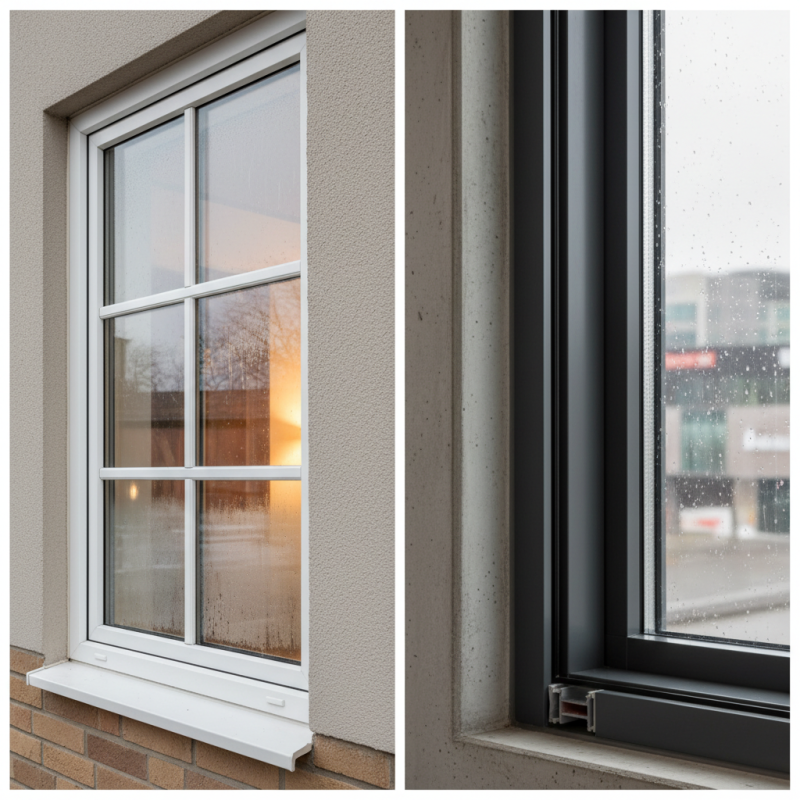
uPVC vs Aluminum Frames Best Choices for Your Projects?

Understanding uPVC Frames: Features and Benefits

uPVC frames are gaining popularity in construction projects for their unique features and benefits. According to industry reports, around 60% of new residential projects prefer uPVC due to its durability and energy efficiency. These plastic frames provide excellent insulation properties, reducing heat transfer by up to 70%. This means lower energy bills for heating and cooling, which can entice environmentally conscious homeowners.

One notable advantage of uPVC frames is their resistance to moisture and rot. Unlike wood, uPVC does not warp or swell in humid conditions. This is crucial for buildings in wet climates. However, some projects might face aesthetic challenges, as uPVC can lack the natural look of wood or metal.

Tips: Choose neutral colors for uPVC frames to fit various design styles. Also, consider the long-term maintenance. While uPVC frames require minimal upkeep, they may fade in extreme sunlight. Always weigh the cost against durability and maintenance needs when selecting your frames for the best results.

Exploring Aluminum Frames: Advantages and Disadvantages

Aluminum frames offer a mix of advantages and drawbacks. They are known for their lightweight nature, which simplifies handling during installation. Their strength is notable, making them a durable option for various applications. Aluminum is resistant to rust and corrosion, giving it longevity in different weather conditions.

However, there are some downsides. One issue is thermal conductivity. Aluminum can transfer heat quickly, leading to energy loss. Proper insulating techniques are essential, but they can increase costs. Additionally, while the finish can be attractive, scratches and dents might affect the aesthetic appeal. Regular maintenance is necessary to keep them looking their best.

Consider long-term benefits versus initial costs. Some projects might not justify the higher investment. Reflect on aesthetics, functionality, and climate impacts. Make an informed choice based on specifics of your project. Choosing the right material is crucial for achieving lasting results.

uPVC vs Aluminum Frames: Advantages and Disadvantages

Comparative Analysis: uPVC vs Aluminum Durability and Maintenance

When choosing between uPVC and aluminum frames, durability and maintenance are key factors. uPVC, or unplasticized polyvinyl chloride, offers excellent resistance to weathering. It does not corrode, making it suitable for various environments. Also, uPVC frames require minimal maintenance. A simple clean with soap and water usually suffices. Their lifespan can exceed 30 years without needing significant repairs.

On the other hand, aluminum frames are known for their strength. They are often preferred for modern designs due to their sleek appearance. However, aluminum can be susceptible to scratches and dents. Regular maintenance is necessary to keep them in optimal condition. Protective coatings are often recommended to enhance their resistance to the elements. Despite these benefits, some may find the upkeep a bit demanding compared to uPVC.

Both materials present unique challenges. uPVC frames may not fit all architectural styles, while aluminum frames can be more expensive initially. Reflecting on these aspects helps in making a sound decision for your project. Consider the specific needs of your environment and how much effort you are willing to invest in maintenance.

Cost Considerations: Budgeting for uPVC and Aluminum Frames

When considering frame materials for construction projects, budgeting is crucial. uPVC and aluminum frames each have unique cost structures. According to industry reports, uPVC frames typically range from $50 to $100 per linear foot, while aluminum frames can start at $75 and go up to $150 or more. This price difference can significantly impact your overall budget, especially for large-scale projects.

The choice between uPVC and aluminum also extends to long-term costs. uPVC requires minimal maintenance, which can save homeowners around 30% over a decade. On the flip side, aluminum frames offer higher durability and a lifespan that can exceed 40 years. This leads some builders to argue that the initial cost of aluminum may be worth it in the long run.

Beyond initial and maintenance costs, installation expenses vary as well. Installing uPVC frames can be simpler and quicker, which can reduce labor costs. However, aluminum frames often require skilled labor for proper installation, potentially increasing that part of your budget. Careful planning is essential to ensure that your choice aligns with your financial capabilities while meeting project requirements.

Choosing the Right Option: Project Requirements and Aesthetics

When selecting frames for architectural projects, the choice between uPVC and aluminum can shape both functionality and aesthetics. A study by the Fenestration and Glazing Industry Alliance shows that uPVC frames are known for their thermal efficiency. They can reduce heating costs by up to 30%. This characteristic makes them ideal for energy-efficient buildings. In contrast, aluminum frames are highly durable and resistant to corrosion, which is crucial for coastal environments. Yet, they often require thermal breaks to improve energy performance.

Aesthetically, each material offers distinct advantages. uPVC frames are available in various colors and textures, allowing for versatile designs that can complement any style. On the other hand, aluminum frames present a sleek, modern look that appeals to contemporary architecture. However, aluminum’s reflective properties can lead to challenges in design integration. A report from the Global Industry Analysts emphasizes that while aluminum frames are favored for their strength, architects must ensure a balance between aesthetics and functionality.

Ultimately, the choice hinges on project requirements. Many professionals grapple with the long-term implications of their selections. Understanding the specific environmental conditions and desired architectural style is crucial. Mistakes in this phase can have lasting repercussions, underscoring the need for careful consideration in the decision-making process.

uPVC vs Aluminum Frames: Best Choices for Your Projects?

Feature uPVC Frames Aluminum Frames
Durability Highly durable, resistant to rot and corrosion. Very durable, but can corrode in coastal areas.
Insulation Excellent thermal insulation properties. Good insulation, but typically less than uPVC.
Maintenance Low maintenance, requires occasional cleaning. Requires periodic maintenance to prevent oxidation.
Cost Typically more affordable than aluminum. Generally more expensive due to material quality.
Aesthetic Variety Available in various colors and finishes. Available in sleek designs with a modern look.
Environmental Impact Can be recycled, less energy-intensive to produce. Recyclable, but production has a higher carbon footprint.

FAQS

: What are the advantages of aluminum frames?

: Aluminum frames are lightweight, strong, and resistant to rust. They are durable for various applications.

How does thermal conductivity affect aluminum frames?

Aluminum transfers heat quickly, potentially leading to energy loss. Insulation techniques can help but may increase costs.

What maintenance is required for aluminum frames?

Regular maintenance is needed. Scratches and dents can affect their appearance, so keeping them clean is important.

How does uPVC compare to aluminum in durability?

uPVC is durable and resists weathering well. It requires minimal maintenance and can last over 30 years.

What aesthetic options are available with uPVC and aluminum frames?

uPVC frames come in various colors and textures, while aluminum offers a sleek, modern look but may have reflective challenges.

Are there any downsides to choosing aluminum frames?

Yes, they can be prone to scratches and dents. The maintenance can be demanding for some homeowners.

How do project requirements impact the choice between uPVC and aluminum?

The choice depends on functionality, aesthetics, and environmental conditions. Mistakes in selection can lead to long-term issues.

Can aluminum frames be energy-efficient?

They require thermal breaks to improve energy performance, which adds complexity to the design.

Is cost a significant factor in frame selection?

Yes, some projects may not justify the higher initial investment in aluminum compared to uPVC.

What should I reflect on before making a choice?

Consider aesthetics, functionality, climate impacts, and your project's specific needs before deciding.

Conclusion

When considering window and door framing options, understanding the key differences is crucial. "What is the difference between uPVC and aluminum frames" lies in their distinctive features and benefits. uPVC frames offer excellent insulation, low maintenance, and cost-effectiveness, making them popular for homeowners seeking energy efficiency. In contrast, aluminum frames are known for their strength, modern aesthetic appeal, and durability, but may require more maintenance due to susceptibility to corrosion in certain environments.

A comparative analysis of durability and maintenance reveals that while uPVC frames excel in longevity with less upkeep, aluminum frames can withstand harsher conditions when properly maintained. Budget considerations also play a significant role in the decision-making process, as uPVC often presents a more affordable option upfront. Ultimately, choosing the right frame depends on project requirements, aesthetic preferences, and environmental factors, guiding homeowners to make informed decisions for their projects.

Charlotte

Charlotte

Charlotte is a seasoned marketing professional with a deep understanding of the company's portfolio and a passion for elevating its presence in the market. With a keen eye for detail and a commitment to excellence, she ensures that our professional blog is regularly updated with insightful articles......