How Much Can Triple Glazing Lower Street Noise Levels?

Time:2026-05-16 Author:Aria
0%

Street noise can significantly impact our daily lives. Many homeowners seek solutions to this issue. One popular option is triple glazing. But how much does triple glazing reduce street noise? Understanding its effects can help inform your choices.

Triple glazing features three layers of glass. This design enhances its soundproofing abilities. Independent studies show that triple glazing can lower noise levels by up to 30 decibels. However, results vary based on installation and window frame materials. The effectiveness can sometimes be less impressive than expected.

Investing in triple glazing is not just about noise reduction. It also provides energy efficiency benefits. Yet, the cost can be a concern for many homeowners. Some might wonder if the reduction in noise is worth the expense. Each situation is unique, and weighing the pros and cons is essential.
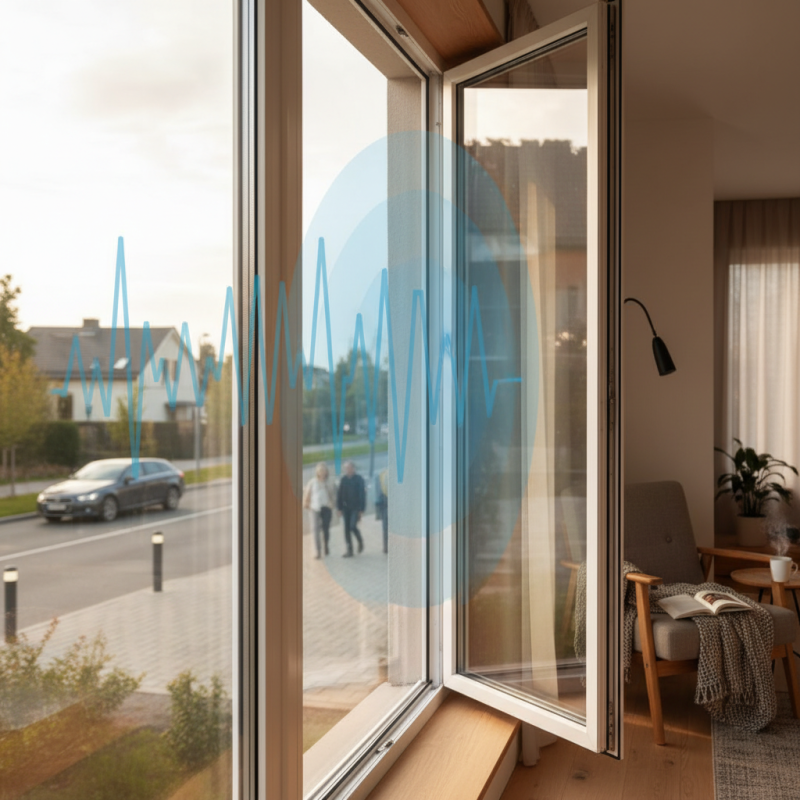
How Much Can Triple Glazing Lower Street Noise Levels?

What is Triple Glazing and How Does It Work?

Triple glazing consists of three panes of glass separated by gas-filled spaces. This design enhances energy efficiency and significantly reduces noise pollution. Reports from the British Glass organization indicate that triple glazing can reduce outdoor noise by up to 45 decibels. This level of noise reduction can drastically improve your living environment, especially in urban settings.

The effectiveness of triple glazing lies in its construction. It uses thicker glass and sound-dampening gas like argon. The barriers between the panes disrupt sound waves more than double glazing. Industry studies show that well-installed triple glazing can block up to 90% of street noise. However, the installation process must be executed carefully to ensure all potential gaps are sealed, as even small imperfections can diminish the benefits.

While triple glazing is effective, it's essential to consider its limitations. Not all properties can accommodate this type of window. Installation costs are typically higher than double glazing. Some might find the look less appealing. It’s crucial to weigh these factors when deciding whether to invest in triple glazing. Balancing noise reduction and aesthetic considerations can lead to a more informed choice.

The Science Behind Noise Reduction in Windows

When discussing noise reduction, the science behind window design plays a crucial role. Triple glazing is known for its potential to minimize street noise. It consists of three panes of glass sealed together. This configuration provides better insulation than standard double glazing. The air gaps between the panes create additional barriers. These barriers can effectively absorb sound waves, resulting in quieter indoor environments.

The principles of sound reduction are intriguing. Sound travels in waves, and materials with different densities can disrupt these waves. Each pane of glass in triple glazing serves to break up the transmission of sound. This technique reduces noise pollution significantly. However, the effectiveness can vary depending on factors like pane thickness and the specific setup of the glazing. Testing indicates substantial differences in decibel levels in homes with triple-glazed windows.

While triple glazing offers substantial benefits, it's not a one-size-fits-all solution. Some might find the reduction satisfactory, while others may still notice street noise. Positioning of the windows also plays a role; if they face busy streets, even the best glazing might struggle to filter out all sounds. Homeowners should consider their specific environments and needs before making a decision. Balancing expectations with real-world results is essential for a satisfying upgrade.

Comparing Noise Levels: Single, Double, and Triple Glazing

When considering noise reduction, glazing type plays a significant role. Research indicates that single glazing offers minimal sound insulation, typically reducing noise by about 18 dB. This level is insufficient for many urban environments. By contrast, double glazing provides an improvement, cutting noise levels by approximately 26 dB. However, the leap to triple glazing is where the real benefits emerge.

Triple glazing can reduce noise levels by 30 dB or more, depending on the specific glass types and spacer materials used. According to the National Institute of Health, triple-glazed windows can effectively diminish street sounds, creating a more peaceful indoor environment. They are particularly valuable for homes near highways or busy streets, where noise pollution can impact quality of life.

**Tip:** When selecting windows, consider the thickness and material of the glass layers. Thicker glass panes can enhance sound insulation significantly.

While triple glazing offers notable advantages, it's essential to recognize limitations. Not all triple-glazed units perform equally; the effectiveness also relies on installation quality. Gaps or poor sealing can negate benefits.

**Tip:** Ensure proper installation by consulting with certified professionals to seal any potential leak points.

How Much Can Triple Glazing Lower Street Noise Levels?

This chart compares the average street noise reduction levels achieved with single, double, and triple glazing systems. The noise reduction is measured in decibels (dB), illustrating how effective each glazing option is in minimizing external noise.

Factors Affecting Noise Reduction Performance of Triple Glazing

Triple glazing can significantly reduce street noise levels. However, its effectiveness varies based on multiple factors. The thickness of the glass plays a crucial role. Thicker glass layers absorb sound better than thinner ones. Air gaps between the layers should also be designed thoughtfully. Different air spaces can dampen sound frequencies differently, enhancing noise reduction.

The frame material can impact the overall performance. A robust frame coupled with strong seals minimizes vibrations. This ensures that noise intrusion is kept to a minimum. Additionally, the installation quality is vital. Gaps or improper fitting can compromise the insulation. Therefore, engaging experienced professionals in the installation process is advisable.

Tip: Always measure your windows accurately before selecting triple glazing. The right fit reduces noise more effectively. Even small gaps can undermine sound reduction.

Tip: Consider incorporating sound-absorbing materials in your home. They can complement windows in vibrating sound environments. Walls, curtains, and carpets can absorb noise as well.

Reflecting on the overall solution is essential. While triple glazing offers benefits, it's not a standalone fix. Understanding your environment can guide your approach to soundproofing.

How Much Can Triple Glazing Lower Street Noise Levels? - Factors Affecting Noise Reduction Performance of Triple Glazing

Factor Description Estimated Noise Reduction (dB)
Glass Thickness Thicker glass can significantly reduce noise transmission 3-6 dB
Gas Fill Argon or krypton gas fillings enhance sound insulation 2-4 dB
Frame Material Different materials (PVC, wood, aluminum) impact noise reduction 1-3 dB
Installation Quality Proper installation is crucial for maximizing noise reduction Up to 5 dB
Air Gaps Larger air gaps between glass panes improve sound insulation 2-5 dB

Real-Life Case Studies: Triple Glazing and Urban Noise Control

In urban areas, noise pollution is a significant issue. Many residents struggle with constant street noise. Triple glazing is gaining attention as a potential solution for this problem.

Real-life case studies show promising results. For instance, one family installed triple-glazed windows in a busy city center. They noticed a remarkable reduction in external noise. The loud sounds of traffic and pedestrians became softer. Some noise still penetrates, but the difference was undeniable.

Another case involved a small office near a construction site. Workers reported higher focus and productivity after the installation. The triple glazing helped to mitigate the disruptive noises outside. Still, some challenges remain. Not all buildings can support heavy triple-glazed windows. Additionally, installation costs may deter some owners. These factors lead to considerations about balancing comfort and budget.

FAQS

: What is triple glazing?

: Triple glazing consists of three glass panes with gas-filled spaces between them.

How does triple glazing help with noise?

It reduces noise by blocking up to 90% of street sounds. Thicker glass and gas layers dampen sound waves effectively.

Can triple glazing work in any property?

Not all properties can accommodate triple glazing. Some structures may not support the additional weight.

What are the installation cost considerations?

Installation costs are typically higher than double glazing. Budget considerations are important when deciding on triple glazing.

How does frame material impact noise reduction?

A robust frame with strong seals minimizes vibrations and enhances overall noise insulation effectiveness.

Do small gaps affect triple glazing performance?

Yes, even small gaps can compromise insulation. Careful installation is crucial to seal all potential gaps.

What additional measures can enhance soundproofing?

Incorporating sound-absorbing materials like curtains and carpets can help reduce noise further in your home.

Is triple glazing a complete solution for noise issues?

While effective, triple glazing is not a standalone solution. A holistic approach to noise reduction is needed.

How important is the installation quality?

Quality installation is vital. Gaps or poor fitting can significantly reduce the benefits of triple glazing.

Are there aesthetic considerations with triple glazing?

Some find the look of triple glazing less appealing. Evaluating aesthetics alongside functionality is essential.

Conclusion

Triple glazing is an advanced window technology designed to enhance thermal insulation and minimize noise pollution. It operates by incorporating three panes of glass, creating multiple air gaps that act as barriers against sound waves. This construction significantly reduces street noise, making homes in urban areas more peaceful.

The effectiveness of triple glazing in noise reduction can be measured by comparing it to single and double glazing. Research indicates that triple glazing can substantially lower noise levels, providing homeowners with a quieter indoor environment. Factors such as the type of glass used, the spacing between panes, and the window frame construction also play critical roles in determining the overall performance. Real-life case studies further demonstrate the potential of triple glazing to effectively control urban noise, addressing the crucial question: How much does triple glazing reduce street noise?

Aria

Aria

Aria is a dedicated marketing professional with a deep passion for innovative strategies and a keen understanding of our company's product offerings. With a wealth of experience in the industry, Aria excels at crafting engaging content that highlights the unique features and benefits of our......