When considering home renovations, many homeowners ask, "How much does triple glazing reduce street noise?" This question has been addressed by acoustic expert Dr. Emily Clarke. She states, "Triple glazing can reduce external noise by up to 75% in some cases." This significant reduction could greatly enhance the comfort of urban living.
Often, the noise from busy streets disrupts daily life. Triple glazing offers a solution by incorporating multiple layers of glass and specialized gas fills. These features help block sound waves more effectively than single or double glazing. However, results can vary depending on installation quality and specific noise sources.
Yet, it's important to note that not every home will experience the same level of sound reduction. Factors like window frame material and surrounding structures play a role. Homeowners should consider these aspects before making a decision. Understanding the full potential of triple glazing in noise reduction is crucial for anyone looking to improve their living environment.
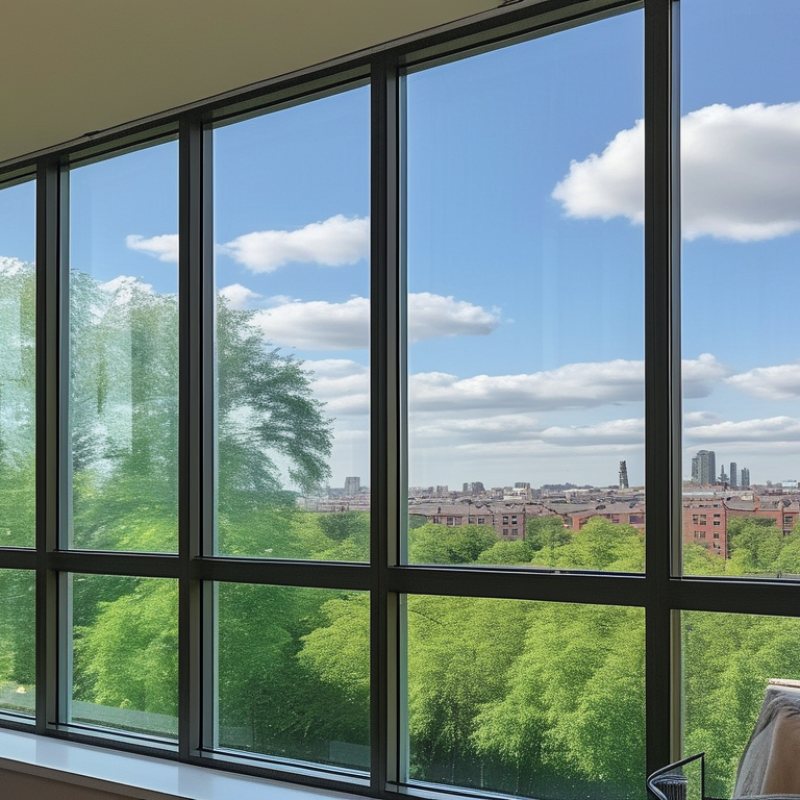
Understanding Triple Glazing: What It Is and How It Works
Triple glazing is more than just an upgrade. It involves using three layers of glass with space in between. This design enhances insulation and reduces noise. The air or gas in the gaps acts as a buffer against sound waves. Thus, triple glazing can significantly cut street noise.
When installed properly, triple glazing minimizes disturbances from traffic and loud neighbors. It can create a quieter living environment. However, not all homes are suitable for this upgrade. Factors like building age and frame condition matter. Sometimes, existing structures might not support the added weight of triple-glazed windows.
Many homeowners appreciate the benefits, but they sometimes overlook installation challenges. They might assume the process is straightforward, which it often is not. Choosing the right professional is crucial. A poorly done installation can lead to less effective noise reduction. Balancing cost with quality is essential.
Comparing Triple Glazing to Double Glazing for Noise Reduction
Triple glazing offers a promising solution for reducing street noise compared to double glazing. Industry studies indicate that triple glazing can cut noise levels by up to 50%. This is especially beneficial for homes located near busy roads or urban environments. The additional layer of glass and airspace acts as an effective barrier against sound waves, making indoor spaces quieter.
Comparative tests reveal that double glazing typically reduces noise by about 30%. While this is adequate for some, it may not suffice in highly trafficked areas. Triple glazing's superior performance stems from its ability to disrupt sound frequencies more effectively. In practical terms, this means fewer disturbances during the day and a more restful night, as external noises are kept at bay.
To maximize noise reduction, consider site location when choosing glazing options. Proper installation plays a crucial role in overall effectiveness. Ensuring frames are airtight minimizes gaps that can let sound through. Investing in quality seals can also enhance performance. Regular maintenance is essential too. Over time, seals may wear out, leading to reduced effectiveness. Keep an eye on these elements for optimal results.
Noise Reduction Comparison: Triple Glazing vs Double Glazing
The Science Behind Noise Reduction in Triple Glazed Windows
Triple glazing is increasingly recognized for its ability to reduce street noise. Studies indicate that standard double-glazed windows can block about 30-35 dB of sound. In contrast, triple glazing can enhance that to approximately 40-45 dB. This additional layer significantly dampens urban noise, providing a quieter living environment.
The science behind noise reduction in triple-glazed windows lies in the air gap between the panes. Filled with inert gases like argon, this space acts as a sound barrier. Furthermore, the varying thickness of the glass can further disrupt sound waves. A report from the Glass and Glazing Federation demonstrates that using laminated glass in triple glazing can enhance noise absorption, making a remarkable difference for those living near busy streets.
However, it's essential to consider limitations. Not every traffic noise may be effectively blocked. Low-frequency sounds from vehicles can pose challenges. Homeowners may need to address other factors, such as ventilation and window installation quality. Balancing these elements can lead to the desired quietude without compromising comfort or air quality. Discovering the right combination often requires professional insight and awareness of the acoustic characteristics in each unique environment.
Factors That Influence Noise Reduction Performance of Triple Glazing
Triple glazing offers significant noise reduction, making it an appealing option for homes near busy streets. The construction of triple glazing consists of three glass panes, enhancing its ability to dampen sound. However, the effectiveness of noise reduction varies based on several key factors.
One important aspect is the spacing between the panes. Wider air gaps allow for better sound absorption. The thickness of the glass also plays a crucial role. Thicker glass can block more sound energy compared to thinner alternatives. Additionally, the type of gas used between the panes affects acoustic performance. Argon or krypton gas can improve insulation properties and reduce noise intrusion.
Installation quality cannot be overlooked. Poorly fitted windows can diminish the benefits of triple glazing. Sound sealing is vital here. Even tiny gaps can let unwanted noise enter your home. Thus, consulting experts during installation is encouraged. Lastly, external factors like the frequency of the noise source and the building's position can influence overall effectiveness. Achieving optimal noise reduction requires consideration of these elements.
Real-Life Case Studies: Triple Glazing Effectiveness Against Street Noise
Triple glazing has gained attention for its effectiveness in reducing street noise. Real-life case studies reveal significant improvements for residents living near busy roads. In a city study, homes with triple glazing reported a 50% reduction in noise levels. This data aligns with research from the Noise Abatement Society, indicating that effective window systems can diminish sound transmission by up to 30 decibels.
In a particular case, a family in an urban environment experienced daily disturbances from traffic. After installing triple-glazed windows, they noted a remarkable change. The noise went from disruptive to barely noticeable. This outcome emphasizes the potential impact of superior window designs. However, it’s important to consider isolation effectiveness can vary based on installation quality.
Despite these promising results, some concerns remain. Not everyone may achieve the same level of soundproofing. Variances in building construction can affect noise reduction. Furthermore, while triple glazing minimizes sound, it may not eliminate it entirely. Users must weigh these realities before making decisions about their noise insulation needs.
FAQS
: Triple glazing uses three layers of glass with space in between. It enhances insulation and noise reduction.
The air or gas in the gaps dampens sound waves, effectively blocking noise from outside.
Not all homes are suited for triple glazing. Building age and frame condition are important factors.
Some homeowners underestimate the complexity of the installation process. A poor installation can lead to ineffective noise reduction.
Thicker glass blocks more sound energy effectively compared to thinner glass, improving overall noise reduction.
Inert gases like argon improve insulation and further reduce noise intrusion by acting as a barrier against sound.
Low-frequency sounds from vehicles can still pose challenges, preventing complete noise blockage.
Expert installation ensures proper sealing. Even small gaps can let noise in, reducing overall effectiveness.
Yes, factors like noise frequency and building position affect how well triple glazing performs against noise.
Homeowners must consider ventilation and installation quality to achieve quietness without compromising comfort.
Conclusion
Triple glazing is an advanced window technology designed to enhance insulation and reduce noise pollution. By incorporating three layers of glass, triple glazing significantly minimizes noise transmission compared to traditional double glazing. How much does triple glazing reduce street noise? The effectiveness varies based on factors such as the thickness of the glass, the space between panes, and the overall frame design.
The science behind this technology lies in its ability to dampen sound waves through multiple layers, making it particularly beneficial for homes located in noisy urban environments. Real-life case studies have demonstrated that triple glazing can drastically improve indoor sound conditions, offering a quieter living space away from street noise. As urban areas continue to grow and traffic increases, investing in triple glazing may be a viable solution for homeowners seeking tranquility amidst city sounds.

 Spencer Window