When considering safety in bedroom design, one crucial factor stands out: the emergency exit window. Homeowners often ask, "What is the standard height for bedroom emergency exit windows?" This question is not just about compliance with building codes; it relates to the safety of occupants. A well-placed window can be a lifesaver during emergencies.
The standard height for these windows typically ranges from 24 to 44 inches above the floor. This height allows easy access for escape while ensuring the window is still functional. However, many homes fall short of this requirement. Installing windows at the wrong height can hinder escape in dire situations. Various factors, such as window size and room height, come into play here.
Each bedroom is unique, and compliance should not be overlooked. Homeowners must be aware of the guidelines to ensure safety for themselves and their loved ones. Reflecting on your living space can reveal areas needing improvement. Ensuring your emergency exit windows meet the standard height may require changes, but safety should always be the priority.
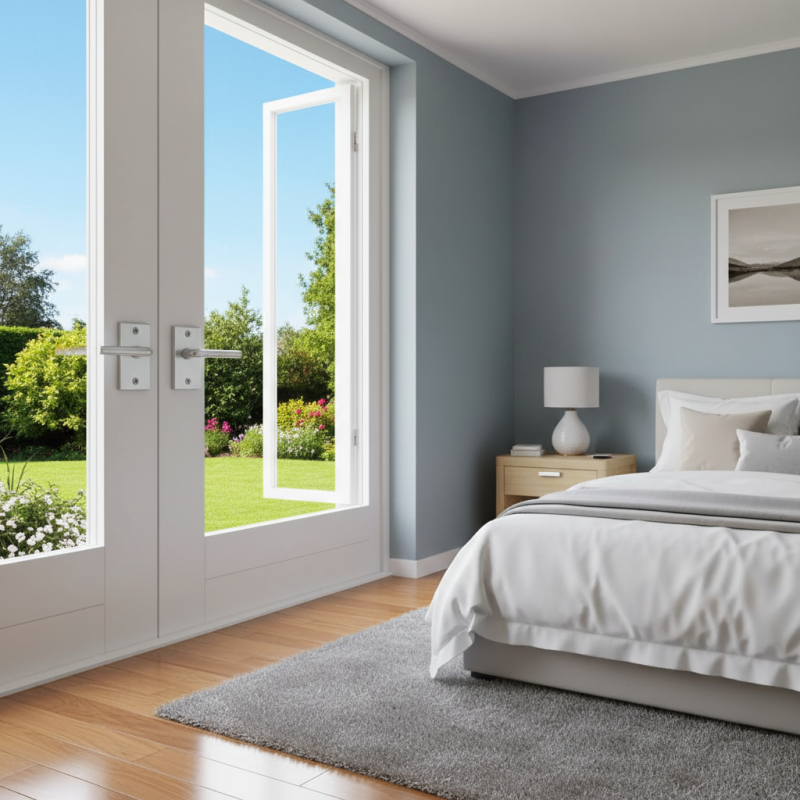
Standard Regulations for Bedroom Emergency Exit Windows
When considering bedroom emergency exit windows, it is crucial to understand the regulations in your area. Many building codes require that windows provide a clear opening for safe escape. Generally, the minimum size for this opening is 5.7 square feet. This size ensures that most adults can easily exit during an emergency.
Height is another important factor. The bottom of the window must be no more than 44 inches from the floor. This height allows for quick access during stressful situations. It's essential to verify your local codes, as they can differ. Sometimes, older homes may not meet these standards, which could pose a risk in emergencies.
Tips: Regularly check the functionality of your windows. Ensure they open easily and are not obstructed by furniture or decorations. Additionally, consider the presence of screens, as they can limit escape routes. Keeping the windows clear and accessible is vital for safety.
Optimal Window Height for Safe Egress in Bedrooms
When it comes to safety in bedrooms, emergency exit windows play a critical role. The optimal height for these windows is often debated among architects and safety experts. The National Fire Protection Association (NFPA) suggests that the bottom of window openings should not exceed 44 inches from the floor. This measurement allows easy access for adults and children during emergencies.
However, a 2021 study by the Home Safety Council indicates that nearly 30% of homes have windows positioned higher than this recommendation. This discrepancy can pose significant challenges during an emergency situation. For instance, if a fire occurs, it may be difficult for individuals, especially children, to reach these higher windows safely.
Designing safe egress points requires consideration of various factors, including the room layout and window size. Experts recommend wide window openings too, measuring at least 24 inches in height and 20 inches in width. These specifications ensure individuals can escape quickly and safely, minimizing risks when every second counts. While many homes meet these guidelines, it's critical for homeowners to regularly assess their exit strategies.
Design Considerations for Bedroom Emergency Exit Windows
When designing bedroom emergency exit windows, several key considerations emerge. The window’s height is crucial. According to the International Building Code (IBC), the sill height should not exceed 44 inches from the floor. This ensures that occupants can escape easily during an emergency. However, this guideline can vary based on local regulations. It’s essential to check local building codes for compliance.
Another critical aspect is the window's size. A minimum opening of 5.7 square feet is generally recommended. This size allows an adult to exit swiftly. Yet, many bedroom windows fall short of this requirement. An emerging concern among homeowners is the need for increased awareness of these specifications. Nearly 90% of homes do not meet the recommended standards for adult egress.
Furthermore, the design must consider obstructions. Trees, fences, and even patio furniture can block access. Regular maintenance can mitigate these risks. Also, window features like security bars or screens should permit easy removal. Reflecting on these details can improve safety. The priority is not just compliance, but ensuring swift escape in emergencies.
Standard Height for Bedroom Emergency Exit Windows Explained - Design Considerations for Bedroom Emergency Exit Windows
| Dimension |
Recommended Standard |
Notes |
| Minimum Height from Floor |
24 inches (610 mm) |
To ensure easy access during emergencies |
| Maximum Height from Floor |
45 inches (1143 mm) |
Keep within reach for all occupants |
| Minimum Window Opening Size |
20 inches wide x 24 inches high (508 mm x 610 mm) |
Ensure adequate space to exit |
| Minimum Net Opening Area |
5.7 square feet (0.53 m²) |
For safe escape |
| Window Type |
Double-hung, casement, or sliding |
Must open easily without special tools |
| Installation Considerations |
Frame must be secure and unobstructed |
Ensure clear escape route |
Common Materials and Styles for Emergency Exit Windows
Emergency exit windows in bedrooms must meet specific standards. They serve as vital escape routes during emergencies. Various materials and styles are available, each with unique features.
Common materials for these windows include vinyl, wood, and aluminum. Vinyl is durable and low maintenance. It resists moisture and does not warp. Wood offers a classic look but requires more care. Aluminum is lightweight and corrosion-resistant, making it a strong choice. Each option has pros and cons, impacting functionality and aesthetics.
When choosing a style, consider your home’s overall design. Casement windows are popular for easy operation. Double-hung windows provide flexibility with ventilation and safety. Additionally, ensure the window meets emergency exit requirements, like minimum height and width.
Tips: Measure the opening space before selecting a window. This ensures a proper fit. Always check local building codes to ensure compliance. Regularly inspect your windows for signs of wear or damage. This can prevent future safety issues.
Importance of Maintaining Clear Access to Exit Windows
Maintaining clear access to exit windows is crucial for bedroom safety. In emergencies, every second counts. A blocked or obscured window can mean the difference between safety and danger. Smoke rises quickly, and visibility diminishes. Therefore, ensuring that furniture, curtains, or other items do not obstruct these exits is vital.
Consider a scenario where a fire breaks out. Panic often leads to chaotic actions. If an exit window is cluttered, its use may be delayed. Regular checks can mitigate this risk. Simple actions, like moving furniture away from the window, can enhance safety. Remember, checking access should be part of routine household maintenance.
Additionally, a clear exit enhances the overall safety of a home. It not only helps in emergencies but also provides peace of mind. Homeowners should instill awareness about this issue. Reflect on your current setup—are your exit points easily accessible? Sometimes, it takes a minor adjustment to make a major difference. Prioritizing clear access to exit windows can save lives.
FAQS
: Emergency exit windows should provide a clear opening of at least 5.7 square feet for safe escape.
The bottom of the window should not exceed 44 inches from the floor for easy access during emergencies.
Local codes can vary; older homes might not meet current standards, posing risks during emergencies.
Regularly check that windows open easily and are not blocked by furniture or decorations.
Screens may limit escape routes, making it essential to keep exit windows clear and accessible.
Experts recommend that window openings are ideally 44 inches high or lower for easy access during emergencies.
A blocked exit window can delay escape, especially during emergencies when panic and smoke are factors.
Make it a habit to check access around windows regularly, removing any obstructions to enhance safety.
Quick access to windows can make a significant difference in emergencies where every second counts.
Consider if exit points are easily accessible; sometimes minor adjustments can lead to major safety improvements.
Conclusion
This article provides a comprehensive overview of the standard height for bedroom emergency exit windows, addressing essential regulations that ensure safety during emergencies. Specifically, it answers the question, "What is the standard height for bedroom emergency exit windows?" by highlighting that these windows are typically required to be installed at a height no more than 44 inches from the floor to allow for easy access during an evacuation.
Design considerations also play a crucial role, focusing on creating a functional and accessible egress point while incorporating common materials and styles that meet safety standards. Additionally, the article emphasizes the importance of maintaining a clear path to these exit windows, ensuring that they are not obstructed. Overall, understanding these aspects is vital for homeowners and builders alike to enhance safety and compliance in residential spaces.

 Spencer Window