Transitioning from traditional wood to aluminum windows can seem daunting. Many homeowners fear losing the warmth and charm of wood. Yet, aluminum windows offer durability and low maintenance. Understanding how to transition from traditional wood to aluminum windows is essential for a successful upgrade.
Choosing the right style and finish is critical. Consider the architectural design of your home. Select aluminum windows that complement your existing decor. Take time to research and compare options. You may feel overwhelmed by the choices available. It’s normal to question whether this change suits your style.
Consulting with experts in this field is beneficial. Their insights can guide you in making well-informed decisions. It’s also wise to assess your budget carefully. Aluminum windows can vary significantly in price. Reflecting on your priorities will lead to a smoother transition. Embrace the journey to modernization while considering the aesthetic you value.
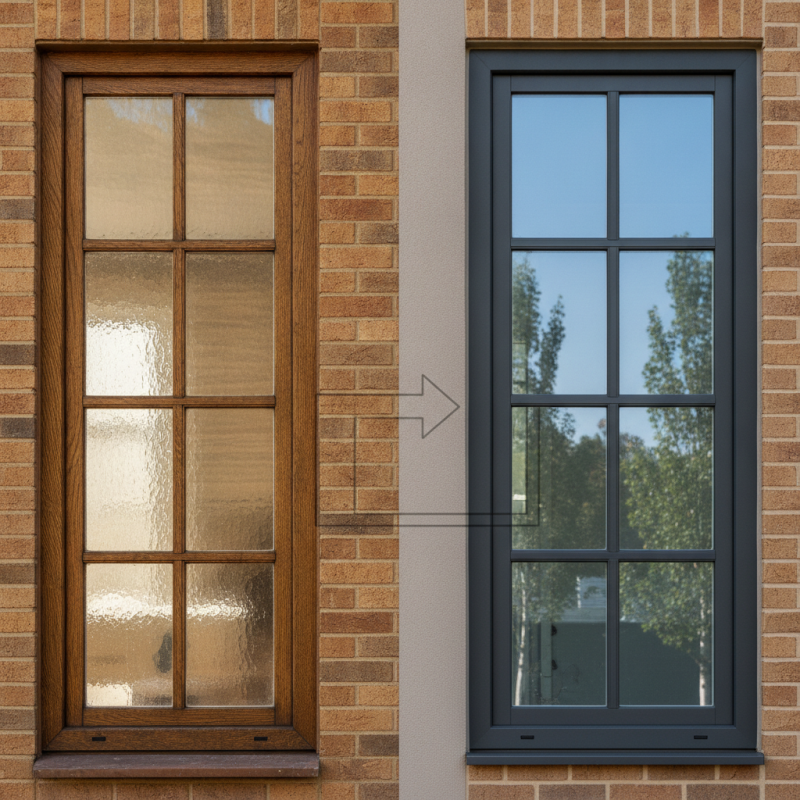
Understanding the Differences Between Wood and Aluminum Windows
When considering a transition from wood to aluminum windows, it's crucial to recognize their fundamental differences. Wood windows are often praised for their aesthetic appeal and natural insulation properties. However, they require regular maintenance. According to a report from the Remodeling Magazine, homeowners spend an average of $1,300 to $2,500 on wood window upkeep annually, which can be significant over time.
Aluminum windows, on the other hand, offer durability and low maintenance. They resist rot, warping, and fading, making them a favorable choice in many climates. A study by the Aluminum Association states that aluminum can last over 30 years when properly maintained. This longevity often offsets the initial investment in aluminum frames. Yet, some homeowners may miss the classic warmth of wood, which can affect their overall satisfaction with the transition.
Additionally, energy efficiency varies between the two materials. While wood has excellent insulation properties, aluminum can be enhanced with thermal breaks. The Department of Energy reports that using thermally broken aluminum windows can improve energy efficiency by up to 40%. Nevertheless, the choice is not straightforward. Skilled professionals often need to assess the specific needs of a home, weighing aesthetics against functional benefits.
Assessing Your Home's Compatibility for Window Transition
Transitioning from wood to aluminum windows involves careful assessment of your home's compatibility. Aluminum windows offer durability, energy efficiency, and lower maintenance costs compared to wood. However, not every home is ideally suited for this transition. Consider your home’s architectural style and climate zone. Research shows that homes in coastal areas benefit significantly from aluminum's resistance to salt and moisture, giving them longevity.
Tip: Inspect existing frames and structural integrity. Older homes may have specific requirements for window fitting and insulation. The U.S. Department of Energy reports that replacing windows can reduce heating and cooling costs by 12-33%. This data highlights the potential savings from energy-efficient windows.
Homeowners should also be aware of insulation needs. Aluminum conducts heat efficiently, which may result in higher energy expenses if not paired with proper insulation. Using thermally broken aluminum frames can mitigate this issue. It’s crucial to consider whether retrofitting is necessary for optimal energy performance.
Tip: Consult with a professional for precise measurements. Accurate assessment ensures you make informed decisions, enhancing your home's overall efficiency. Take your time. Rushing could lead to costly mistakes later on.
How to Seamlessly Transition from Wood to Aluminum Windows? - Assessing Your Home's Compatibility for Window Transition
| Criteria |
Wood Windows |
Aluminum Windows |
Compatibility Assessment |
| Durability |
Moderate |
High |
Good for regions with extreme weather |
| Maintenance |
High |
Low |
Easier if preferred |
| Energy Efficiency |
Good |
Excellent |
Recommended for energy savings |
| Aesthetic Appeal |
Warm, traditional |
Sleek, modern |
Best match with modern homes |
| Installation Cost |
Moderate |
Varies significantly |
Evaluate based on specific needs |
Step-by-Step Guide to Removing Wood Windows Safely
Transitioning from wood to aluminum windows requires careful planning, especially during the removal of old wood frames.
Start by examining the condition of your existing windows.
According to industry reports, over 70% of homeowners consider energy efficiency a priority.
Ensure you have the right tools: pry bar, utility knife, and safety glasses.
Remove the trim around the windows gently, using a pry bar.
Be cautious; damaged trim can lead to additional repairs.
Hollow wooden frames can hide rot or pests.
In fact, about 30% of older wood windows harbor such issues.
Inspect the sills and surrounding areas closely for any structural problems.
Disconnect the window from the frame by cutting any screws or nails.
It’s not uncommon to find unexpected obstacles during removal.
This can lead to extended project timelines.
Understand that even skilled professionals may encounter challenges.
Taking your time will minimize mistakes and damage.
Remember to dispose of materials responsibly, as this is a vital part of the process.
Selecting the Right Aluminum Windows for Your Home
When selecting aluminum windows for your home, several factors require careful consideration. First, assess the energy efficiency of the windows. According to the U.S. Department of Energy, proper insulation and low thermal transmittance can significantly reduce energy costs by up to 30%. Aluminum frames are highly durable, but they also require thermal breaks to improve insulation.
Look at the window orientation. Windows facing south can gain excess heat, while those facing north may offer less natural light. The right mix can enhance comfort. Weight and installation are crucial too. Aluminum windows tend to be lighter, making them easier to install but ensuring they are properly sealed is essential for optimal performance.
Tip: Always check the U-factor rating. A lower value indicates better insulation. Additionally, double-glazed options can help with noise reduction and further increase energy efficiency.
Pay attention to color and finish options as well. Aluminum windows come in various coatings, allowing for aesthetic flexibility. However, not all finishes withstand weather changes equally. Research indicates that colors can fade over time, which may require re-coating.
Tip: Consult with professionals to balance aesthetics and functionality. They can provide insights on regional best practices and weather considerations. There are no one-size-fits-all answers, and every choice impacts durability and energy efficiency differently.
Finalizing Installation and Finishing Touches for Seamless Transition
Transitioning from wood to aluminum windows is a significant home improvement project. It requires careful planning, especially during installation and finishing touches. Experts recommend measuring the area precisely to ensure a snug fit. Gaps can lead to drafts and energy loss, which is not ideal. It’s essential to prepare your new aluminum frames properly. They should fit seamlessly against existing structures.
Once frames are in place, consider the insulation. Foam or caulk can fill small gaps effectively. Pay attention to the edges where the aluminum meets the wall. This area often requires extra sealing to prevent moisture ingress. A misstep here can result in mold or decay over time. Don’t rush through this detail, as it impacts the longevity of your windows.
Finishing touches like painting or adding trim are also vital. Choose colors that complement your home’s design. However, keep in mind that paint may need touch-ups more frequently on aluminum surfaces. It's worth evaluating your choice of finishes. They can impact both aesthetics and maintenance. Observing these details will help create a truly seamless transition from wood to aluminum.
Comparison of Energy Efficiency Ratings: Wood vs. Aluminum Windows
Conclusion
Transitioning from traditional wood to aluminum windows can significantly enhance your home’s durability and aesthetics. It starts with understanding the differences between these materials, as aluminum offers advantages like lower maintenance and better weather resistance. Before making the switch, assess your home’s compatibility, ensuring that the new windows will fit within the existing architecture.
Once you’ve determined viability, follow a step-by-step guide to safely remove the old wood windows. Careful removal is crucial to avoid damage to your home. Next, choose the right aluminum windows that suit your style and functional needs. Finally, finalize the installation process with attention to detail in finishing touches, ensuring a seamless transition that enhances your living space. Knowing how to transition from traditional wood to aluminum windows can lead to a more modern, efficient home environment.

 Spencer Window