In modern construction, energy efficiency is crucial. Homeowners seek ways to reduce energy costs. Windows play a significant role in insulation. This is where argon gas comes into play. Why is argon gas used in modern insulated windows? The gas possesses unique properties that enhance thermal performance.
Argon gas is denser than air. This density limits heat transfer between the inner and outer panes. As a result, it contributes to maintaining a stable indoor temperature. Additionally, argon helps to reduce condensation between the glass layers. Fewer moisture issues translate to lower maintenance costs over time. However, some might wonder: is it worth the expense?
Using argon gas is not without its challenges. The installation process needs precision for maximum effectiveness. A poorly sealed window unit may cause argon leakage. This is a common concern among homeowners. It's essential to weigh these factors before assuming all insulated windows perform equally. Ultimately, understanding the advantages of argon gas can lead to informed choices in home construction.
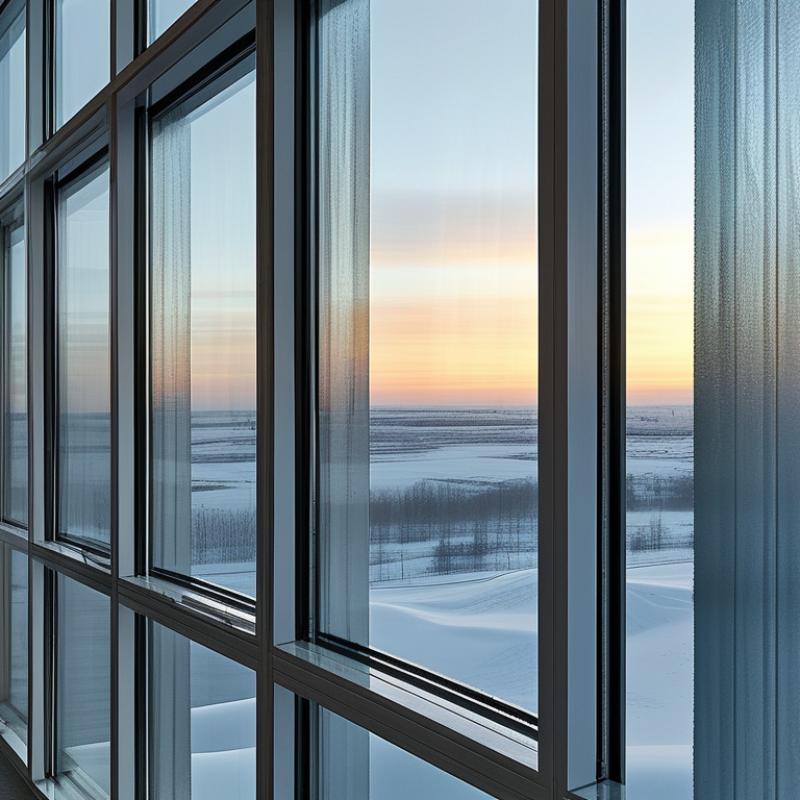
Argon gas is a popular choice for insulated windows due to its numerous benefits. One major advantage is its superior thermal performance. Compared to air, argon has a lower thermal conductivity. This means that windows filled with argon can maintain consistent indoor temperatures, enhancing comfort. Homeowners often notice reduced energy bills when they upgrade to such windows.
Another key aspect of argon gas is its non-toxic nature. It is safe for the environment and poses no health risks to residents. This makes it an attractive option for families and environmentally conscious consumers. Additionally, argon's heavier density helps reduce condensation. This leads to clearer and cleaner window surfaces, improving visibility and aesthetics.
However, it's important to consider potential downsides. While argon windows are effective, they can be more expensive upfront. There's also a chance that the gas may leak over time, diminishing efficiency. Regular maintenance and monitoring are necessary. A careful balance is needed between cost and long-term benefits when choosing insulated windows.
Argon gas is widely recognized for its role in improving energy efficiency in insulated windows. A study by the U.S. Department of Energy found that windows filled with argon can reduce heat transfer significantly. These windows can deliver a 30% increase in thermal insulation compared to standard air-filled units. The lower thermal conductivity of argon, about 67% less than air, is vital for maintaining consistent indoor temperatures.
In colder climates, argon gas proves especially beneficial. It inhibits heat loss, keeping homes warmer. According to research from the Lawrence Berkeley National Laboratory, using argon-filled windows can lead to a 20% reduction in heating costs. This efficiency can make a substantial difference in energy bills over time.
Despite these advantages, some may wonder about argon's longevity. While argon is effective, it can leak over time, especially if window seals are compromised. Regular maintenance is essential to ensure that the energy efficiency remains intact. Investing in high-quality seals and materials can extend the benefits of argon gas in windows for many years. This highlights the importance of careful selection and installation in maximizing energy efficiency.
When examining gases for insulated windows, argon stands out in several ways. Argon is denser than air, making it an effective insulator. According to industry data, argon can reduce thermal transfer in windows by up to 34% compared to regular air. This reduction leads to lower energy costs and improved comfort in homes.
In contrast, krypton gas offers better insulation due to its higher density, yet it is often more expensive and less accessible. Furthermore, xenon, although highly efficient, is rarely used in residential applications because of its cost. The performance gap between argon and krypton shows that while krypton performs slightly better, argon provides a more practical balance between effectiveness and affordability.
Argon’s inert nature means it doesn’t react easily with other materials. This stability is crucial as it prevents degradation within the window unit. However, it’s worth noting that argon can diffuse through sealant materials over time, potentially reducing insulating properties. Regular maintenance is critical to ensure long-lasting performance. Even minor leaks can diminish the effectiveness of argon-filled windows, making regular checks essential for optimal energy efficiency.
Argon gas plays a crucial role in preventing condensation in insulated windows. When used between glass panes, argon significantly reduces heat transfer. This helps maintain a consistent indoor temperature. As a dense, inert gas, argon is less conductive than regular air. This property minimizes the chances of moisture accumulation on window surfaces.
Condensation occurs when warm, humid air meets a cool surface. With argon insulation, temperatures inside the window glass remain higher. This reduces the likelihood of condensation forming. Homeowners can enjoy clearer views without the worry of water spots or frost. Yet, even argon-filled windows can face challenges, especially during extreme weather.
Proper installation is essential for optimal performance. Gaps or leaks can decrease the effectiveness of argon gas. Monitoring seal integrity is critical for long-term benefits. While argon offers significant advantages, it isn't a cure-all. Regular maintenance ensures that windows continue to function as intended, balancing real-world challenges with the insulating benefits of argon.
| Reason | Description |
|---|---|
| 1. Thermal Insulation | Argon gas has lower thermal conductivity compared to air, providing better insulation and reducing heat loss. |
| 2. Cost-Effectiveness | Using argon gas in insulated windows is a cost-effective solution for energy efficiency without sacrificing quality. |
| 3. Reduction of Condensation | Argon gas reduces the likelihood of condensation by maintaining temperature differences across the glass surfaces. |
| 4. Improved Energy Efficiency | Windows filled with argon gas can enhance the overall energy efficiency of buildings, resulting in lower heating and cooling costs. |
| 5. Non-Toxic and Non-Flammable | Argon is a safe and inert gas that poses no health risks and is not flammable, making it ideal for residential use. |
| 6. UV Protection | Windows containing argon also filter out harmful UV rays, protecting furnishings and flooring from fading. |
| 7. Wide Availability | Argon gas is widely available and can be easily integrated into various window designs. |
| 8. Longevity | Argon-filled windows typically last longer due to reduced wear and tear on the glazing. |
| 9. Eco-Friendly Option | Using argon gas in windows contributes to energy conservation, reducing carbon footprints. |
| 10. Better Sound Insulation | Argon gas can also improve sound insulation, making homes quieter and more comfortable. |
Argon gas is recognized for its effectiveness in insulating windows.
Beyond energy efficiency, its environmental impact is noteworthy. Argon is naturally occurring and non-toxic, making it safe for indoor use.
It does not contribute to greenhouse gas emissions, unlike some alternative gases. However, extracting and processing argon requires energy, raising questions about its overall sustainability.
The use of argon in insulated windows enhances thermal performance, improving comfort in homes. This leads to lower heating and cooling costs, which can indirectly benefit the environment. But there are concerns about the long-term reliability of sealed windows containing argon.
Over time, seals may fail, allowing argon to escape. This could diminish insulation effectiveness. While the benefits of argon are clear, the longevity and environmental footprint of window manufacturing should not be overlooked.
Understanding these factors is crucial for making informed choices.
: Argon gas has superior thermal performance, maintaining consistent indoor temperatures and enhancing comfort.
Homeowners often notice reduced energy bills when they upgrade to windows filled with argon gas.
Yes, argon is non-toxic and poses no health risks to residents, making it environmentally friendly.
They can be more expensive initially and may leak over time, lowering their efficiency.
Regular checks ensure the gas remains sealed, maintaining insulation effectiveness and energy efficiency.
Argon is denser than air, effectively reducing thermal transfer, while krypton offers better insulation but is pricier.
Yes, over time, argon can diffuse through sealant materials, potentially reducing insulating properties.
It does not contribute to greenhouse gas emissions, but its extraction and processing require energy.
By improving thermal performance, argon filled windows lower heating and cooling costs, benefiting homeowners.
It’s important to balance the upfront cost with long-term benefits and maintenance needs for optimal performance.
Argon gas has become a preferred choice for modern insulated windows due to its numerous advantages that significantly enhance energy efficiency. One key reason why argon gas is used in modern insulated windows is its superior ability to reduce heat transfer, which results in lower energy costs and improved comfort within buildings. By filling the space between window panes, argon minimizes thermal convection and conduction.
Additionally, argon gas plays a vital role in preventing condensation by maintaining a consistent temperature within the window structure. Compared to other gases such as krypton or air, argon is not only cost-effective but also poses minimal environmental impact and safety risks. Overall, the benefits of argon gas in insulated windows underline its importance in creating energy-efficient buildings while contributing to a sustainable environment.

Spencer Window