Double glazing is a popular choice for energy-efficient windows. However, homeowners often face a common issue: condensation inside their double glazing. This can lead to frustration and uncertainty. Many ask, "Why is condensation forming inside my double glazing?" Understanding this phenomenon is key to addressing it effectively.
Condensation occurs due to a combination of temperature differences and humidity levels. When warm, moist air meets a cooler surface, it cools down and turns into water droplets. This is particularly relevant in double-glazed windows, where the heat and moisture balance plays a crucial role.
It’s essential to recognize the signs of condensation as they can indicate more than just an aesthetic issue. Persistent condensation may suggest a breach in the seal or other underlying problems. Recognizing these signs can save homeowners time and money. By being aware of the conditions that lead to condensation, you can take proactive steps. This awareness fosters better decision-making regarding maintenance and replacement of windows, ultimately ensuring a more comfortable living space.
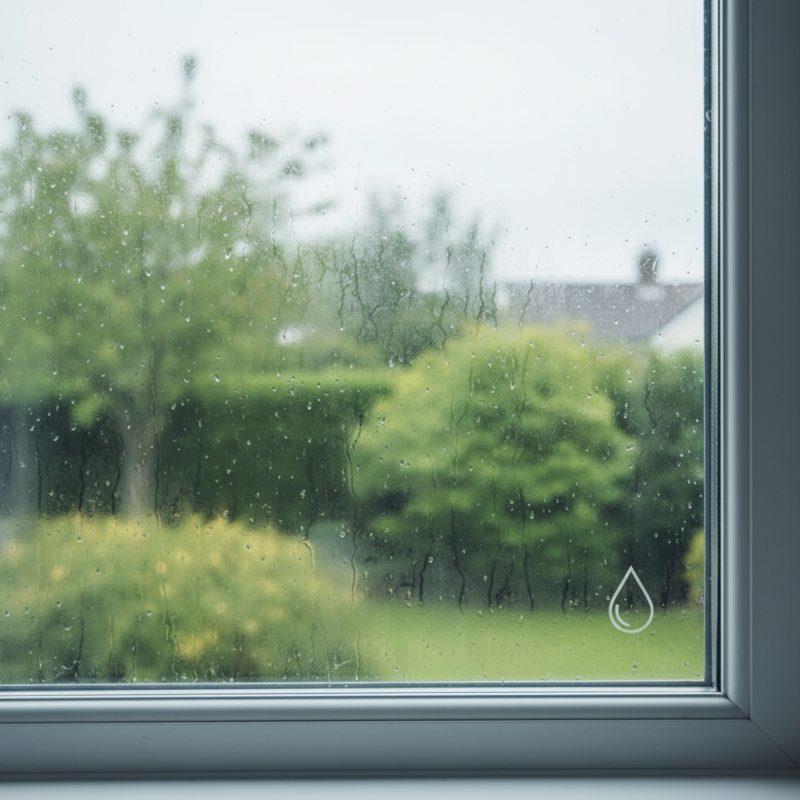
Double glazing is designed to enhance home insulation. It comprises two glass panes separated by a space filled with gas. This construction significantly reduces heat loss. According to the National Insulation Association, homes with double glazing can save up to £160 annually on energy bills.
However, condensation can sometimes form within these units. It often occurs due to temperature differences between the inside and outside. Poor installation or compromised seals may lead to trapped moisture. When the internal pane cools, the warm, humid air condenses, creating visible water droplets. This isn’t merely aesthetic; it indicates potential insulation issues.
To mitigate condensation, maintain indoor humidity below 60%. Use exhaust fans in kitchens and bathrooms to vent moisture. Regularly check window seals for any damages. Remember, even quality installations can face challenges over time. Addressing these can improve both comfort and efficiency in your home.
Condensation inside double glazing often occurs due to significant temperature differences between the inside and outside. When warm, moist air hits a cooler surface, it cools and loses its ability to hold water vapor. This results in condensation. A study by the National Institute of Standards and Technology (NIST) reveals that interior condensation can significantly affect energy efficiency, leading to increased heating costs.
In colder months, the outside temperature can drop drastically. Meanwhile, the interior remains warm and humid from daily activities such as cooking and showering. This sharp contrast creates an environment conducive to condensation. According to research published in the Journal of Building Physics, nearly 25% of homes experience some form of condensation during winter months.
One area often overlooked is window seals. If seals are damaged, outside air can infiltrate, further boosting the likelihood of condensation. Homeowners should regularly check and maintain window seals to prevent moisture buildup. Though addressing condensation can be frustrating, acknowledging and understanding these factors can lead to better management of internal humidity levels.
Humidity plays a critical role in the formation of condensation inside double glazing. Studies indicate that indoor humidity levels above 60% significantly increase the likelihood of moisture accumulation. When warm air meets cooler glass surfaces, condensation can occur. This often happens in poorly ventilated spaces or during colder months. According to a report by the Building Research Establishment, excess humidity can lead to a range of issues, including mold growth and reduced air quality.
It is crucial to recognize sources of indoor humidity. Activities like cooking, bathing, and even breathing contribute to moisture levels in the air. The Environmental Protection Agency states that maintaining relative humidity levels between 30% and 50% is ideal for preventing condensation. However, many homes exceed these levels, partly due to inadequate ventilation. Learning to manage humidity can help mitigate the risks associated with double glazing condensation.
In some cases, individuals may overlook small signs of excessive humidity. Water stains on walls or window frames often go unnoticed until serious damage occurs. Small actions, like using exhaust fans and dehumidifiers, can make a significant difference. Adjusting habits and being aware of humidity levels is essential for maintaining a healthy environment and preventing window issues.
Poor seals in double glazing can lead to significant issues, one of which is condensation. When seals are compromised, moisture can enter the space between the glass panes. According to the Glass and Glazing Federation, around 70% of double glazing failures result from faulty seals. This shows how critical the integrity of seals is in maintaining optimal performance.
The impact of poor seals extends beyond aesthetics. Research indicates that poor sealing can reduce the energy efficiency of windows by up to 40%. This inefficiency means higher energy bills and an increased carbon footprint. Homeowners often overlook these seals, assuming they are fine. Regular inspections, however, can reveal hidden problems. A simple visual check might expose cloudy windows or mold growth along the edges. These signs can indicate seal failure that needs immediate attention.
Addressing seal issues requires professional intervention. However, many homeowners wait too long to act. Delayed repairs can escalate costs and lead to more extensive damage. It's crucial to understand that even a small crack can significantly impact a window’s performance. Being proactive about seal integrity is essential for long-lasting double glazing.
| Reason for Condensation | Description | Impact on Performance | Recommended Action |
|---|---|---|---|
| Poor Seals | Deterioration of seals can allow moisture to enter between panes. | Reduces insulation effectiveness and allows energy loss. | Inspect seals regularly and replace when necessary. |
| Temperature Fluctuations | Rapid changes in external temperature can cause condensation. | Can lead to thermal stress on glazing units. | Install thermal breaks and ensure proper framing. |
| High Humidity Levels | Excess moisture in the air can condense on cooler surfaces. | May promote mold and reduce indoor air quality. | Use dehumidifiers and improve ventilation. |
| Improper Installation | Misalignment during installation can lead to pressure differences. | Increases likelihood of seal failure. | Have professionals install and check alignment. |
| Aging Windows | Older units may lose effectiveness of spacers and seals. | Decreased thermal performance leads to energy inefficiency. | Consider replacement with modern double glazing units. |
Condensation inside double glazing can be frustrating. It often indicates excess moisture in your home. To combat this issue, certain measures can effectively reduce condensation levels.
One essential tip is to maintain consistent indoor humidity. The ideal indoor humidity level is between 30-50%. Use a hygrometer to monitor this. You can opt for dehumidifiers if your levels exceed this range. Regularly airing out your home can also help. Open windows daily to allow fresh air circulation. This might feel counterintuitive during colder months, but it can significantly reduce moisture buildup.
Another preventive measure involves proper window installation and maintenance. Ensure there are no gaps or seals that allow moisture ingress. A study by the Building Research Establishment found that well-sealed double glazing can limit condensation. Inspect and clean the frames to avoid mold growth. Use silicone sealant where gaps appear to enhance insulation. This not only reduces moisture but can also improve energy efficiency.
Utilizing exhaust fans in kitchens and bathrooms can further minimize humidity. They help expel steam generated while cooking or showering. Consistently using them can create a less humid environment beneficial for double glazing.
: Internal condensation occurs when warm, moist air meets a cooler surface, leading to loss of water vapor.
A drastic temperature difference between inside and outside can create an environment conducive to condensation.
Nearly 25% of homes report some form of condensation during the colder months.
Damaged seals allow outside air to enter, increasing the likelihood of condensation.
Poor seals can reduce energy efficiency by up to 40%, leading to higher bills.
Cloudy windows and mold growth along edges are common signs that indicate seal failure.
Delayed repairs can escalate costs and lead to more extensive damage over time.
Yes, regular inspections can reveal hidden problems often overlooked by homeowners.
Even a small crack can significantly affect a window's performance and efficiency.
Homeowners should seek professional help to address seal problems promptly.
Condensation inside double glazing can be a common issue that many homeowners face, prompting the question, "Why is condensation forming inside my double glazing?" Understanding the function of double glazing, which is designed to enhance home insulation, is crucial to identifying the problem. Temperature differences between the inside and outside can lead to internal condensation, especially when combined with elevated humidity levels within the home.
Additionally, poor seals around double glazed windows can significantly affect their performance, allowing moisture to penetrate and condense. To mitigate these issues, homeowners can implement preventative measures such as improving ventilation and regularly checking the condition of window seals. By addressing these factors, it becomes possible to reduce the occurrence of condensation and maintain effective double glazing performance.

Spencer Window