When considering materials for construction and design, the choice can be overwhelming. Many people ask, "Why should I choose thermal break aluminum over standard metal?" Understanding the advantages of thermal break aluminum is crucial for informed decision-making. This modern material excels in energy efficiency and insulation, significantly reducing heating and cooling costs.
Thermal break aluminum features a barrier that impedes heat transfer, enhancing comfort in indoor spaces. This is especially beneficial in regions with extreme temperatures. The durability of this material ensures a long lifespan, making it a wise investment. While standard metal might seem like an economical choice, its benefits pale in comparison.
Additionally, thermal break aluminum offers aesthetic versatility. It can be customized in various finishes and colors, meeting diverse architectural needs. While some may question the upfront costs, the energy savings and longevity provided by thermal break aluminum often outweigh the initial investment. Hence, asking why to prefer this option opens the door to a smarter, more sustainable choice for your projects.
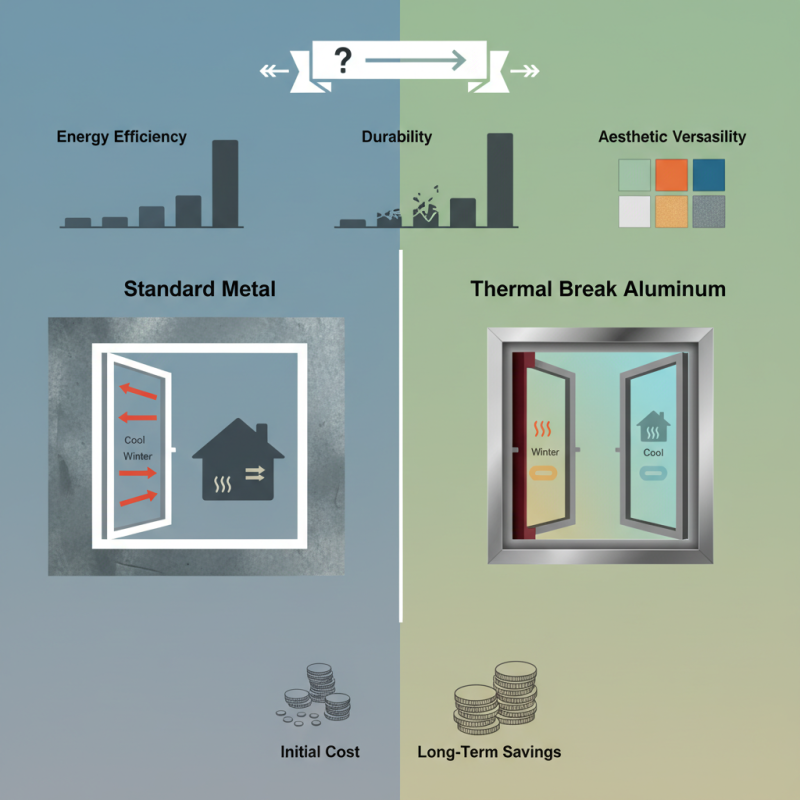
Thermal break aluminum has emerged as a preferred choice for energy-efficient construction. This material features a plastic barrier that prevents heat transfer between the interior and exterior. According to the U.S. Department of Energy, buildings account for nearly 40% of total energy consumption. By opting for thermal break aluminum, you can significantly reduce heating and cooling costs.
Research shows that using thermal break aluminum can improve energy efficiency by up to 50%. The insulation provided reduces thermal bridging. This effect leads to fewer drafts and more comfortable indoor conditions. Furthermore, it can enhance overall building performance. While the initial cost may be higher than standard aluminum, long-term savings on energy bills outweigh these expenses.
In colder climates, thermal break aluminum proves particularly beneficial. Buildings can maintain stable temperatures, reducing the need for artificial heating. However, it's essential to consider local climate and construction practices. In some cases, the benefits might not justify the investment. As energy efficiency becomes a critical concern, understanding these factors is essential for informed decision-making.
This chart illustrates the benefits of thermal break aluminum in terms of energy efficiency compared to standard metal options. Each bar represents a specific advantage that contributes to overall energy savings and performance.
Thermal break aluminum offers significant durability and longevity compared to standard metal. The thermal break technology creates a barrier that reduces thermal transfer. This means better energy efficiency, which contributes to a longer lifespan for building materials. According to a study by the National Institute of Standards and Technology, thermal break systems can enhance the lifespan of window frames up to 30% longer than their non-thermal counterparts.
The robustness of thermal break aluminum is evident in various environments. These materials resist corrosion and withstand harsh weather conditions. A report from the Aluminum Association highlights that thermal break aluminum maintains structural integrity under extreme temperatures. This resilience often translates to lower maintenance costs over time.
However, not all applications require thermal breaks. Some projects may prioritize budget over performance. It's essential to assess specific needs before investing in such systems. The initial costs can be higher, yet the long-term benefits often outweigh those upfront expenses. Balancing immediate budgets with future savings is a crucial reflection when choosing materials for construction.
When considering building materials, cost-effectiveness is crucial. Thermal break aluminum offers significant advantages compared to standard metal options. The initial investment might be higher, but the long-term savings are substantial. These frames reduce energy costs by minimizing thermal conductivity. This means less heating and cooling is needed, lowering utility bills.
Moreover, this material's lifespan is impressive. Unlike standard metals, thermal break aluminum resists corrosion. This durability further cuts down on maintenance costs. Regular metal frames may require frequent repairs or replacements, leading to added expenses over time. While the upfront cost is a point to consider, the value gained through reduced energy bills and maintenance makes it a wise choice.
Choosing thermal break aluminum also enhances the overall comfort of spaces. Many users report a noticeable difference in temperature regulation. This improvement can influence indoor air quality and comfort. Yet, some might hesitate due to higher initial prices. Balancing short-term spending with long-term benefits is essential for making informed decisions.
| Reason | Thermal Break Aluminum | Standard Metal | Cost-Effectiveness |
|---|---|---|---|
| Energy Efficiency | High, reduces heat transfer | Moderate | Lower energy bills |
| Durability | Long-lasting with minimal maintenance | Vulnerable to corrosion | Fewer replacements needed |
| Comfort | Better insulation, improved indoor comfort | Inconsistent temperatures | Increased occupant satisfaction |
| Aesthetics | Flexible design options | Limited styles | More creative freedom |
| Noise Reduction | Better sound insulation | Higher noise levels | Improved acoustic comfort |
| Environmental Impact | Recyclable and sustainable | Higher carbon footprint | Eco-friendly choice |
| Customization | Highly customizable finishes | Limited color options | Tailored solutions |
| Installation | Quicker installation process | More complex and time-consuming | Reduced labor costs |
| Market Value | Increases property value | Standard resale value | Higher long-term investment returns |
| Safety | Improved safety features | Potential safety hazards | Reduced risk of accidents |
Thermal break aluminum excels in aesthetic appeal and design flexibility. This material allows architects and designers to create stunning facades that stand out. With a variety of colors and finishes, thermal break aluminum enhances the visual impact of any building. It can be shaped into unique profiles, offering limitless design possibilities. This adaptability meets diverse aesthetic desires.
Tips: When planning an aluminum installation, consider the overall architectural theme. A well-coordinated design improves the building's overall harmony. Colors should complement the surroundings for a seamless look. Reflect on how texture and finish affect the light play on the surface.
Thermal break aluminum also improves energy efficiency while enhancing beauty. It maintains a comfortable indoor climate, lowering energy costs. Designers can incorporate larger windows without sacrificing insulation. This approach fosters natural light while creating an inviting space.
Tips: Don't shy away from experimenting with different finishes. Matte, glossy, or textured can all bring a unique character. Keep in mind the maintenance requirements of your chosen finish. Regular upkeep is essential for lasting beauty.
Thermal break aluminum offers significant maintenance and repair advantages over standard metal options. The thermal break design creates a barrier between the exterior and interior components. This barrier reduces the potential for condensation and mold growth, which can be major issues in standard metal frameworks.
Additionally, thermal break aluminum is generally more resistant to corrosion. This resistance means a lower frequency of repairs and replacements. Homeowners and builders appreciate that the lifespan of these materials can be longer. Fewer repairs result in reduced costs over time.
However, installation can be more complex. Some contractors might lack the necessary experience with thermal break systems. This complexity can sometimes lead to misunderstandings. Proper installation is crucial for maximizing the benefits of thermal break aluminum. Overall, while the upfront investment may be higher, the long-term benefits can outweigh the initial complexity.
: Thermal break aluminum offers durability, longevity, and energy efficiency. It enhances lifespan by up to 30%.
It creates a barrier that reduces thermal transfer. This helps maintain comfortable indoor climates.
Yes, it resists corrosion and withstands harsh weather. It maintains structural integrity in extreme temperatures.
This material offers design flexibility, with various colors and finishes for stunning facades. Unique shapes are possible.
Initial costs can be higher. Some projects may prioritize budget over performance, leading to potential drawbacks.
Thermal break aluminum requires less maintenance. It reduces condensation and mold issues, leading to fewer repairs.
Not all. Some may lack experience, leading to installation challenges. Proper installation is crucial.
Different finishes can bring unique character. Keep in mind maintenance needs for lasting beauty.
Yes, coordinated colors improve overall harmony. Reflect on texture and finish for better visual impact.
Consider project needs, upfront costs, and long-term savings. Balancing these factors is necessary for informed decisions.
When considering building materials, you might wonder, "Why should I choose thermal break aluminum over standard metal?" This innovative option offers numerous benefits that significantly enhance energy efficiency by reducing thermal conductivity, resulting in lower heating and cooling costs. Additionally, thermal break aluminum is known for its durability and longevity, making it a cost-effective choice in the long run, despite the initial investment.
Beyond functionality, thermal break aluminum provides enhanced aesthetic appeal and design flexibility, allowing architects and homeowners to achieve their desired look without compromising performance. Furthermore, it offers advantages in maintenance and repair, reducing the need for frequent upkeep compared to standard metal options. Overall, thermal break aluminum proves to be a superior choice for energy-conscious and style-savvy projects alike.

Spencer Window