Inward opening windows can make a room feel brighter and easier to ventilate, but their practical advantages depend on the space around them. An open sash may block a countertop, bump a plant, or take up room beside a bed. Small details matter. Before choosing this style, consider how you use each room, where furniture sits, and whether the window is easy to reach.
What are the pros and cons of inward opening windows? This guide looks at the question through everyday use, not just product claims. It explores cleaning access, ventilation, weather sealing, security features, and the space an open window needs. Some homeowners value being able to clean exterior glass from indoors, especially on upper floors. Others find that curtains, blinds, or nearby objects can interfere with the sash. It depends.
The seven tips ahead offer a practical way to compare benefits and drawbacks before you buy or replace windows. Check the opening direction, frame dimensions, hardware, and manufacturer’s care instructions. Ask a qualified installer to assess the opening and surrounding conditions; details vary between homes. Also consider what happens on a windy day, when an inward-opening sash may need careful handling. There is no perfect choice for every room. A window that works well in a spacious kitchen may feel awkward in a narrow hallway. These trade-offs are easy to overlook in a brochure, and even careful planning may miss something you notice only after installation.
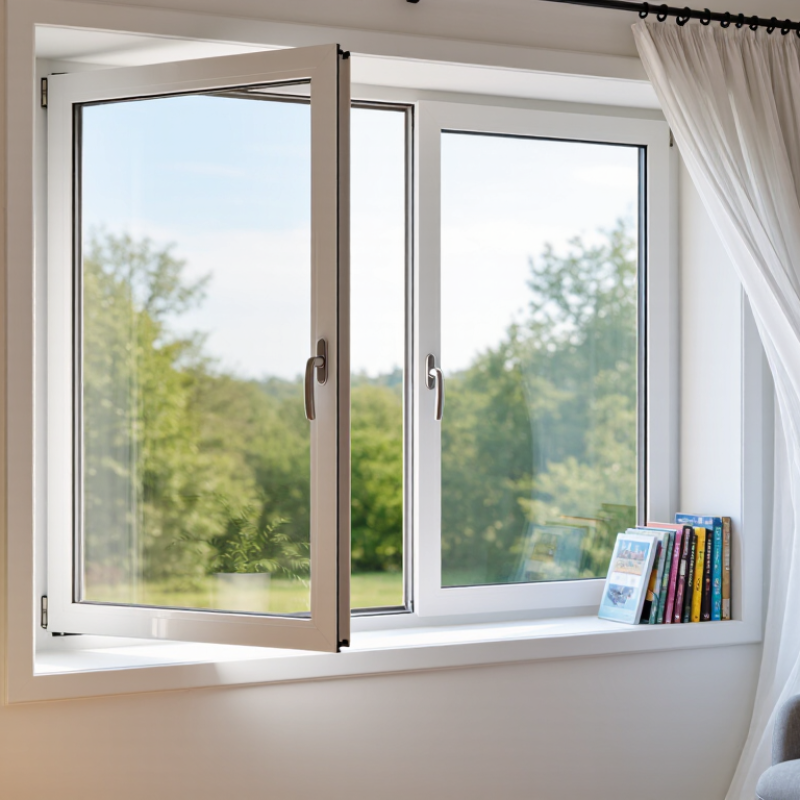
Inward-opening windows are hinged so the sash moves into the room rather than toward the outdoors. Some are side-hung casements; others use tilt-turn hardware. The exact movement depends on the frame and fittings. That distinction matters when planning furniture or choosing a window for a narrow exterior walkway.
On a tilt-turn window, the handle usually selects between two positions. A slight turn may tilt the top of the sash inward, leaving a gap for controlled ventilation. Another position releases the side hinges, allowing the sash to swing fully into the room. Small locking cams pull the sash against the frame when closed, helping the seals sit evenly. The motion should feel smooth, not forced. If it catches, check the handle and hinges rather than pushing harder.
Airflow can feel gentler in the tilted position, though it may not replace a wide opening on a warm day. Fully opening the sash makes cleaning the outer glass easier from indoors, but the sash needs clear space. Watch curtains, radiators, and nearby furniture. A handle can also be awkward behind a deep sill. I still find clearance easy to overlook on a floor plan. Check the real opening path before installation, and ask a qualified installer to confirm the hardware suits the sash size and weight.
Inward-opening windows bring the sash into the room, making the outer glass easier to reach from indoors. That can simplify routine cleaning, especially on upper floors where exterior access is awkward. A cloth, a small bucket, and a clear path around the sill are usually enough. It is practical, though the open sash needs room.
A tight seal can also help limit drafts when the window is closed. The U.S. Department of Energy estimates that heat gain and heat loss through windows account for about 25% to 30% of residential heating and cooling energy use. That figure applies to windows broadly, not specifically inward-opening designs. The actual result depends on the whole assembly: frame, glazing, weatherstripping, and installation. An inward-opening unit is not automatically more efficient.
Operation can be convenient during light rain, depending on the window design, because the sash may open inward without projecting outside. Ventilation is easy to adjust. NFRC ratings help compare products by U-factor and solar heat gain coefficient, rather than relying on appearance alone. One drawback deserves attention: curtains, furniture, or a deep sill can obstruct the swing. Measure the room before choosing. Even a well-made window can feel inconvenient if its handle meets a bedside table.
A qualitative comparison of common design considerations. Scores are editorial ratings, not measured survey results; performance varies by window design and installation.
How to read: Ratings run from 1 (less favorable) to 5 (more favorable). For disadvantages, a higher score means the consideration is more significant. Check room layout, hardware, ventilation needs, and cleaning access before choosing.
Common Drawbacks and Practical Limitations
Inward-opening windows can make a compact room feel even tighter. An open sash may collide with a desk, bedside table, or heavy curtain. In kitchens, it can block a tap or counter space. Measure the full swing before choosing furniture or window coverings. It is easy to overlook this.
The inward swing also needs a clear path during everyday use. A wide sash can be awkward near children’s beds or busy walkways, and frequent opening may expose hinges and handles to bumps. Check how the window opens before placing blinds, screens, or plants nearby. The details matter. Cleaning the inner glass is often convenient, but reaching the outer pane may still require careful access, especially above ground level.
Energy performance is another limitation, though it depends on the whole window, installation, and climate—not opening direction alone. The U.S. Department of Energy’s Energy Saver guidance estimates that heat gain and loss through windows account for about 25–30% of residential heating and cooling energy use. That figure is not specific to inward-opening designs. It does show why tight seals, suitable glazing, and correct installation deserve attention. A well-sealed sash helps, but it cannot compensate for poor fitting or damaged weatherstripping. Check seals periodically; a small draft can become irritating in a cold room.
Tip 1: Measure the full swing arc, including handles, before ordering.
Tip 2: Check that curtains, radiators, and nearby furniture will not block the sash.
Tip 3: Consider cleaning access; inward-opening designs can make exterior glass easier to reach from inside. A small room may feel crowded.
Tip 4: Match glazing to your climate and orientation. The U.S. Department of Energy estimates that window heat gain and loss account for about 25–30% of residential heating and cooling energy use. Compare U-factor and solar heat gain coefficient ratings, rather than judging performance by frame style alone.
Tip 5: Inspect seals and hardware regularly; a poorly adjusted sash can admit drafts or rain.
Tip 6: Check ventilation needs. An inward sash may limit airflow when furniture sits close to the opening, and it can interrupt a narrow walkway.
Tip 7: Review local egress requirements and room use with a qualified installer before selecting a style. Bedrooms need particular care. Inward opening is not automatically the best fit; I would test the swing with a cardboard template first. That quick check can reveal an awkward collision before installation.
Inward-opening windows can make exterior cleaning easier and may improve access for ventilation. They also swing into the room, so placement matters. Tip 1: Measure the opening arc before installation. Check nearby curtains, furniture, and handles. Tip 2: Confirm the frame is level and square. A small twist can make the sash rub or fail to latch. Tip 3: Use suitable fixings for the wall material, and follow the window maker’s installation guidance. Details matter.
Tip 4: Test the hinges and locking points after fitting. Open the sash slowly and listen for scraping or clicking. Tip 5: Keep the swing area clear, especially in narrow kitchens or beside desks. This is easy to forget. Tip 6: Ventilate with care during rain. An inward-opening sash may let water reach the sill, so check drainage channels and wipe away standing water. I once overlooked a damp corner; it took longer to dry than expected.
Tip 7: Inspect seals, hinges, and handles every few months. Remove dust with a soft cloth, and use only care products recommended for the hardware. Don’t force a stiff handle. Find the cause first. Adjustments can be subtle, and repeated guessing may worsen alignment. If the sash remains difficult to close, ask a qualified installer to inspect it.
| Tip | Topic | Advantages | Limitations | Practical Guidance |
|---|---|---|---|---|
| 1 | Plan the opening area | The sash can usually be cleaned from indoors, which is useful on upper floors. | An inward-swinging sash takes up room and may collide with curtains, furniture, or objects on a sill. | Measure the sash’s full opening arc before choosing furniture or window treatments. Check that the handle and hinges have clear space. |
| 2 | Check ventilation needs | Depending on the design, a window may offer a wide opening for natural ventilation. | Rain can enter through an open window, and strong winds may move the sash unexpectedly. | Use suitable restrictors or stays where appropriate, and close the window during severe weather. Follow the manufacturer’s instructions for the specific window system. |
| 3 | Verify escape and safety requirements | Some inward-opening designs can provide a useful clear opening when correctly sized and configured. | Opening direction alone does not establish that a window meets emergency-escape or fall-protection requirements. | Before installation, confirm required clear-opening dimensions, sill height, safety glazing, and other rules with local building authorities or a qualified professional. |
| 4 | Prepare for installation | Accurate fitting helps the sash operate smoothly and supports effective sealing. | An out-of-square frame or poor fixing can cause binding, uneven gaps, or difficulty locking. | Check the opening for sound, level, plumb, and square conditions. Use compatible fixings and installation details, and avoid distorting the frame while securing it. |
| 5 | Inspect seals and drainage | Well-maintained seals and drainage paths help limit unwanted air and water entry. | Compressed, dirty, or damaged seals and blocked drainage openings can reduce performance. | Periodically clean the frame, check gaskets for damage, and keep drainage slots clear. Do not seal over designed drainage openings. |
| 6 | Operate and maintain hardware | Working hinges and locking points help the sash close securely and evenly. | Forcing a stiff handle or sash can damage hardware or affect alignment. | Open and close the window gently. Clean hardware and lubricate moving parts only as recommended for the window system; arrange repairs if the sash drops or will not lock properly. |
| 7 | Consider child and occupant safety | Indoor access can make routine inspection and cleaning more convenient. | An open sash can create an impact hazard or fall risk, particularly near children or in high-level rooms. | Keep the opening area clear, supervise children, and consider suitable opening restrictors or guards where permitted. Ensure any safety device does not prevent required emergency escape. |
Its sash swings into the room instead of projecting outdoors. Some models tilt inward; others open on side hinges.
The handle selects the movement. One setting tilts the top inward for ventilation; another lets the sash swing fully into the room. Move it gently.
Measure the sash’s full opening path. Check curtains, radiators, bedside tables, and deep sills. I still underestimate that swing sometimes.
Often, yes. You can reach the outer glass from indoors, which can help on upper floors. Keep a cloth and small bucket nearby.
Not automatically. Results depend on the frame, glazing, seals, and installation. Compare performance ratings, not appearance alone.
It depends on the window design and weather. Rain may reach the sill, so check drainage channels and wipe away standing water.
Don’t force the handle. Check for rubbing, dirt, or alignment problems. If it still resists, ask a qualified installer to inspect it.
Check seals, hinges, and handles every few months. Wipe away dust with a soft cloth. Small details matter.
Inward-opening windows are designed with sashes that swing into the room, usually on hinges or a tilt-and-turn mechanism. This design can provide excellent ventilation, flexible opening positions, easier access for cleaning, and improved control over airflow. Their inward movement may also support secure locking systems and convenient maintenance from inside the building. However, they can occupy valuable interior space, interfere with curtains, furniture, or decorations, and require careful planning in smaller rooms. Strong wind, limited clearance, and unsuitable hardware may also affect comfort and performance.
When asking, “What are the pros and cons of inward opening windows,” consider the room’s size, layout, climate, ventilation needs, and cleaning requirements. Choose a style that matches the available space and intended use. For reliable results, check measurements before installation, use suitable hinges and seals, keep the opening area clear, operate the window gently, inspect hardware regularly, clean tracks and frames, and repair drafts or loose fittings promptly. Proper selection and routine care can help maximize the benefits while reducing practical limitations.

Spencer Window