In 2026, the issue of air leakage in old sliding window tracks has gained significant attention. With energy costs rising, homeowners seek effective solutions. Research indicates that air leaks can account for up to 30% of heating and cooling energy loss. Therefore, understanding how to prevent air leakage in old sliding window tracks is crucial for environmental sustainability and cost-saving measures.
Modern advancements, such as those seen at the 2026 Canton Fair, highlight innovations in building materials and home repair. The focus on quality home improvement solutions reveals an increased demand for effective sealing techniques. For example, the incorporation of weatherstripping and caulking can substantially reduce drafts. Yet, many homeowners overlook this essential maintenance, leading to energy inefficiency.
Despite the availability of resources, some fail to address their old windows. Keeping windows in good condition is not just a luxury; it’s a necessity for energy conservation. Old sliding windows can be challenging, but simple steps can make a difference. Engaging in regular inspections and utilizing available materials improves air tightness. In doing so, homeowners can ensure comfort while contributing to larger energy-saving goals.
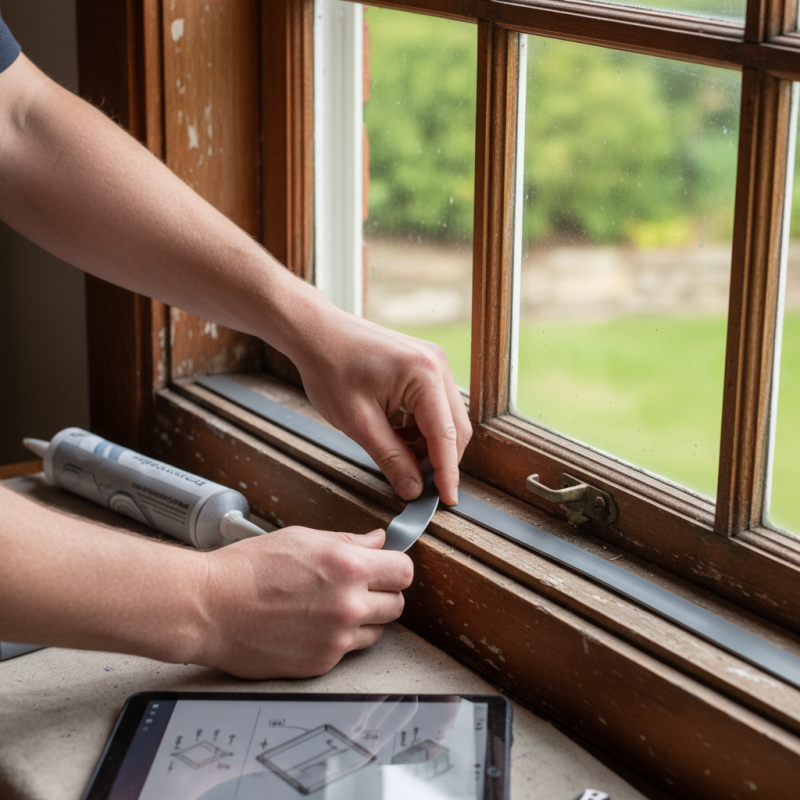
Old sliding windows often face issues with air leakage. Understanding the causes can help you address them effectively. One major culprit is the wear and tear of the weatherstripping. Over time, seals degrade and fail to block drafts. You might notice cold air seeping in during winter months. This can lead to discomfort and increased energy bills.
Another factor is the alignment of the window itself. If it is out of track, gaps may form. This misalignment can occur due to settling of the house over the years. It’s not uncommon to see windows that stick or are difficult to slide. Inspecting the tracks for dirt and debris is crucial. Build-up can hinder proper function, creating more spaces for air to escape.
In some cases, the frame can warp due to moisture exposure. This can create uneven spaces, allowing air to pass through. Checking for rot or damage is vital in these instances. Not addressing these issues can lead to more significant problems later. It’s worth taking the time to identify and remedy these causes of air leakage.
Evaluating the condition of sliding window tracks is crucial for preventing air leakage. Old windows can develop gaps due to wear and tear. Experts say that around 25% of homes have significant air leakage through windows. Assessing the tracks for any damage can help address this issue.
Look for cracks, warps, or deterioration in the tracks. Even small gaps can lead to increased energy costs. According to the U.S. Department of Energy, windows can account for up to 30% of heating and cooling energy use. This statistic highlights the importance of maintaining window integrity. If gaps are found, they should be sealed or repaired immediately.
Tips for evaluation: use a flashlight to inspect the tracks closely. Apply weather stripping where necessary. Consider using caulking to fill any noticeable gaps. Regular maintenance can extend the lifespan of your windows. Reflect on your windows’ performance. Are they functioning as efficiently as they could? Taking simple steps now can save money in the long run.
Old sliding window tracks can often be a source of air leakage. This issue can be addressed through some simple DIY solutions. One effective method is using weatherstripping tape. It’s easy to apply and provides a tight seal. Measure the gaps and cut the tape accordingly. Press it firmly into place. This may reduce drafts but may not completely eliminate them.
Upgrading weatherstripping and seals in old sliding windows can significantly improve energy efficiency. Start by assessing the current state of your window tracks. Look for gaps and worn-out seals. A visual inspection reveals much. You may see cracks or loose fittings. Noticing these issues is the crucial first step.
Choosing the right weatherstripping material is vital. Foam tape is a popular choice, but it may not last long. Consider silicone or rubber options instead. They often provide better longevity. After your selection, ensure a clean surface for application. Dust and debris can hinder performance. Measure the track length accurately. Applying too little can still lead to air leaks.
Installing new seals requires precision. A tight fit is essential for effective insulation. If you're unsure, consulting a guide can help. Many online resources offer visual aids. Remember, even small mistakes can lead to significant issues. Inspect your work after installation. Confidence in your results might be tempting, but thoroughness matters. It may take time, but the effort is worth the energy savings.
This chart illustrates the percentage reduction in air leakage when different strategies are employed. Upgrading weatherstripping can significantly decrease air leakage, contributing to better energy efficiency and comfort in homes.
Old sliding window tracks can be a major source of air leakage. If you've noticed drafts in your home, it might be time to seek help. Consulting professionals can provide valuable insights. They can conduct a thorough inspection of your windows. Experts often identify issues that homeowners may overlook. Small gaps can lead to significant energy loss.
When you engage with professionals, they can offer advanced repair options. This might include weatherstripping or sealing techniques tailored to your windows. Some repairs might require specialized tools or knowledge. You may think DIY fixes are sufficient, yet sometimes they fall short. Relying on experience can lead to better outcomes. Professionals often use higher-quality materials for longer-lasting results.
Maintaining old sliding windows may feel overwhelming. You might wonder if your windows are beyond repair. However, many older windows can be restored. The key is regular maintenance and timely repairs. Consultation with experts helps you make informed decisions. A well-sealed window can enhance your home’s comfort and efficiency. It’s worth taking proactive steps.
| Prevention Method | Description | Estimated Cost (USD) | Effectiveness Rating (1-5) |
|---|---|---|---|
| Weatherstripping | Applying adhesive-backed foam or v-strip to seal gaps | $25 | 4 |
| Caulking | Sealing cracks and gaps with silicone or acrylic caulk | $15 | 5 |
| Track Cleaning | Removing debris from the tracks to improve seal | $10 | 3 |
| Adjusting Rollers | Realigning rollers to ensure proper window closure | $20 | 4 |
| Installing Storm Windows | Adding an extra layer over existing windows | $300 | 5 |
: It helps prevent air leakage, which can increase energy costs significantly.
Check for cracks, warps, or deterioration that might invite drafts.
You can use weatherstripping tape or silicone caulk to fill noticeable gaps.
Measure the gaps, cut the tape, and press it firmly into place.
It may reduce leaks, but continuous monitoring is often necessary.
A plastic film window insulation kit can provide a temporary barrier.
It may not look perfect and can develop small wrinkles after installation.
It can extend their lifespan and improve their overall energy efficiency.
Regular checks are advisable to ensure they are functioning optimally.
There might be some air still getting through, requiring further adjustments.
In addressing the question of how to prevent air leakage in old sliding window tracks, it's essential to understand the root causes of such issues. Factors such as aging materials, wear and tear, and inadequate sealing contribute significantly to air leaks. By evaluating the condition of sliding window tracks, homeowners can identify specific areas where air leaks occur, allowing for targeted repairs.
For those interested in DIY solutions, sealing air leaks can involve simple methods such as applying weatherstripping or using caulk. Upgrading existing weatherstripping and seals enhances overall energy efficiency, reducing heating and cooling costs. However, for more complex issues, consulting professionals for advanced repairs and maintenance options ensures long-lasting results, helping to effectively address any air leakage in older sliding window tracks.

Spencer Window