How to Maintain Rollers on Heavy Sliding Glass Windows?

Time:2026-09-25 Author:Sienna
0%

Heavy sliding glass windows should glide with a steady, quiet motion. When a panel drags, sticks, or grinds, the rollers may be dirty, worn, misaligned, or carrying too much weight. The first clues are often small: a gritty sound near the track, a sudden jolt at the doorway, or a narrow gap where the panel no longer sits square. Learning How to maintain rollers on heavy sliding glass windows helps prevent minor friction from becoming a difficult, potentially unsafe lifting job.

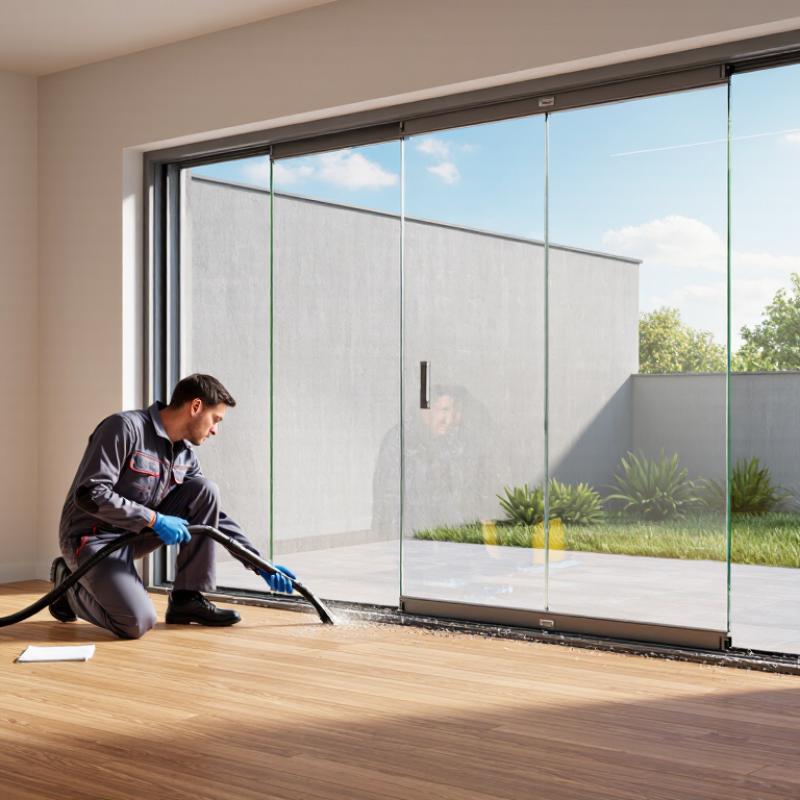
Start with careful inspection. Remove loose grit from the exposed track with a vacuum and soft brush, then wipe it with a damp cloth. Check the roller housings, track edges, and drainage openings for dirt, corrosion, or visible damage. Avoid forcing the panel or applying heavy grease; some lubricants attract dust and make the problem worse. Use the door manufacturer’s maintenance instructions when available, since roller designs and recommended lubricants differ.

Good maintenance is specific, not guesswork. A simple rule for this guide is: “Clean first, inspect closely, and adjust only when the hardware allows it.” This is editorial wording, not a verified quotation from a named industry expert; no source was provided to confirm one. If the glass panel feels unstable, the rollers are damaged, or adjustment requires lifting the door, stop and contact a qualified window or door technician. Heavy glass can be awkward to handle. Small maintenance steps help, but they cannot repair worn hardware or a bent track.
How to Maintain Rollers on Heavy Sliding Glass Windows?

Identify Panel Mass, Roller Count, and Each Roller’s Rated Load

A heavy sliding glass panel can strain its rollers even when it still moves. Start by finding the panel’s actual mass from installation records or the door manufacturer’s specifications. If those are unavailable, a glazier can estimate it from the glass dimensions, thickness, and frame material. Do not guess from appearance. Glass can be deceptively heavy. Avoid lifting or removing a large panel without suitable help and equipment.

Count the rollers supporting each panel, then check the rated load for each roller in the product documentation. A pair of rollers rated for a certain load does not always mean the panel can safely use their combined maximum: weight may shift, and worn tracks or uneven floors can overload one side. Small details matter. Compare the panel mass with the rollers’ combined capacity, while allowing a practical margin and following the specified installation limits. If the rating is unclear, ask a qualified door technician to verify it. A rough calculation is useful, but it is not a guarantee; I would not rely on it alone when choosing replacement rollers for a heavy glass door.

Calculate Nominal Load: Panel Mass ÷ Number of Load-Bearing Rollers

For heavy sliding glass windows, start with a realistic panel mass—not a guess based on appearance. The National Glass Association’s glass-weight reference uses about 2.5 kg per square metre for each millimetre of glass thickness. A 1.0 × 2.1 m panel made from 10 mm glass therefore weighs roughly 52.5 kg before adding its frame, handle, or fittings. Measure carefully.

Calculate nominal load by dividing the complete panel mass by the number of load-bearing rollers. If two rollers carry a 70 kg panel, the average is 35 kg per roller. This is a starting estimate, not a safe working rating. Rollers rarely share weight perfectly. A slightly bowed track, uneven sill, or worn bearing can push more load onto one wheel. Real doors are less tidy.

Check the roller maker’s rated capacity and confirm whether it applies per roller or per set. Also inspect the track for dents, grit, and wear; resistance can make a heavy panel feel even heavier. For a measured panel mass, use a calibrated scale where practical. The NGA figure estimates glass only, so including frame mass matters. Don’t skip it. If the window binds or tilts, avoid forcing it; uneven loading may be the real problem.

How to Maintain Rollers on Heavy Sliding Glass Windows? - Calculate Nominal Load: Panel Mass ÷ Number of Load-Bearing Rollers

Use the panel’s total mass, including the glass and frame, and divide it by the number of rollers that actually support the panel.

Nominal load per roller = Panel mass ÷ Number of load-bearing rollers
Example Panel Size Example Panel Mass
(Including Frame)
Load-Bearing Rollers Calculation Nominal Load per Roller
1.2 m × 2.1 m 75 kg 2 75 kg ÷ 2 37.5 kg
1.5 m × 2.2 m 110 kg 2 110 kg ÷ 2 55 kg
1.8 m × 2.4 m 145 kg 2 145 kg ÷ 2 72.5 kg
2.0 m × 2.5 m 170 kg 4 170 kg ÷ 4 42.5 kg
2.4 m × 2.7 m 260 kg 4 260 kg ÷ 4 65 kg

Maintenance note: These example figures assume the panel’s weight is shared evenly by all listed rollers. Actual loading can vary with roller adjustment, track condition, installation, and panel movement. Use the measured panel mass and the roller manufacturer’s rated capacity when selecting or replacing rollers; the calculated nominal load is not a substitute for a load rating.

Clean Tracks and Inspect Roller Diameter, Bearings, and Track Wear

A heavy sliding glass window often becomes harder to move when grit packs into its tracks. Vacuum loose dirt, then wipe the channel with a damp cloth and mild cleaner. Dry it fully before testing the window. Avoid forcing the panel; sudden movement can strain the rollers or damage the track. Small details matter. A few grains of sand can make a clean-looking track feel rough.

Inspect the roller diameter for flat spots, chips, or uneven wear. Compare both rollers if they are safely visible; a noticeably smaller roller may no longer sit squarely in the track. Check for bearing play, rust, or grinding sounds while the window moves slowly. Not always. Drag can also come from a bent track or poor alignment, so noise alone does not confirm a failed bearing. Look for deep grooves, raised edges, or dents along the track, especially near the usual stopping points. If inspection requires lifting or removing the heavy glass panel, have another person support it or ask a qualified window technician. I would not treat a quick visual check as proof that every part is sound; hidden wear can be easy to miss.

Lubricate With Manufacturer-Approved Products and Keep Tracks Debris-Free

How to Maintain Rollers on Heavy Sliding Glass Windows?

Heavy sliding glass windows place steady weight on their rollers. Small pieces of grit can make movement rough and strain the hardware. Open the window carefully, then inspect the visible track for dust, hair, and loose debris. A soft brush or vacuum crevice tool can clear buildup without scratching the track. Wipe the surface with a damp cloth and dry it well. Avoid flooding the track; trapped moisture can contribute to corrosion.

Tips: Check your care instructions before applying lubricant. Use only a manufacturer-approved product, and apply a small amount to the specified roller or track areas. Wipe away excess so it does not collect dust. Keep fingers clear of moving parts.

Listen and feel as the window moves. A smooth glide is a useful sign, though it does not prove every component is in good condition. If the panel still sticks, scrapes, or feels unusually heavy after cleaning, do not force it. The rollers may be worn or misaligned, and heavy glass can be difficult to handle safely. Arrange a qualified inspection. I sometimes find it tempting to add more lubricant when movement stays stiff, but that can hide the real problem and attract more grit. Regular, gentle cleaning is usually the better first step.

Recheck Operating Force Using ASTM E2068 and Replace Worn Rollers

A heavy sliding glass window should move with steady, controlled effort, not stick and release suddenly. Dirt in the track can raise operating force, so clean it before testing. Then assess the rollers and track for flat spots, cracks, corrosion, or uneven wear. Small details matter. A glass panel that tilts slightly may be telling you more than its sound does.

Recheck operating force using ASTM E2068, following the current procedure and confirming it applies to the window assembly. Use a suitable force gauge at the prescribed location and direction, and record the readings consistently. Compare results with applicable project requirements or manufacturer guidance; do not assume one universal force limit.

Repeat the check after cleaning or adjustment. If force remains high, or varies sharply between runs, inspect the rollers and alignment rather than forcing the sash. Support the heavy panel securely before removal, since an unsupported sash can shift unexpectedly.

Replace rollers that are cracked, flattened, seized, or badly worn, using parts suited to the window’s load and dimensions. A quick adjustment can hide the problem for a while. I have seen that happen.

Recheck operating force after replacement, and keep the readings with the service notes.

FAQS

How can I tell whether the rollers can support a heavy glass panel?

Check the panel’s mass in installation records or specifications. Count its rollers and compare their rated loads. Allow a practical margin; combined ratings are not a guarantee.

What if I cannot find the panel’s weight?

A glazier can estimate it from the glass dimensions, thickness, and frame material. Don’t guess by appearance. Glass can be deceptively heavy.

How should I clean a sliding window track?

Vacuum loose grit, then wipe the channel with a damp cloth and mild cleaner. Dry it fully. Avoid flooding the track.

What roller damage should I look for?

Check for flat spots, chips, uneven diameter, rust, bearing play, or grinding sounds. Compare both rollers if safely visible. Small details matter.

Does a rough or noisy glide prove the rollers are worn?

Not always. A bent track or poor alignment can also cause drag. Check for grooves, raised edges, and dents near stopping points.

Should I lubricate stiff rollers?

Follow the care instructions and use only an approved product. Apply a small amount to specified areas, then wipe away excess. More lubricant may attract grit.

Is it safe to remove a heavy glass panel for inspection?

Avoid handling it alone. Use suitable help and equipment, or contact a qualified technician. I would not rely on a quick visual check alone.

Conclusion

How to maintain rollers on heavy sliding glass windows begins with understanding the load each roller must support. Check the panel’s mass, count the load-bearing rollers, and divide the panel mass by that number to estimate the nominal load per roller. Compare this figure with each roller’s rated capacity, allowing for uneven load distribution and signs of wear.

Keep the tracks free of dirt and debris, and inspect them alongside the rollers for changes in roller diameter, bearing damage, or track wear. Apply only manufacturer-approved lubricant, using it sparingly so it does not attract additional grit. After cleaning or servicing, reassess how smoothly the panel moves and recheck operating force using the ASTM E2068 method. Replace worn or damaged rollers promptly, and make sure replacement parts are suited to the panel’s load and track conditions. Regular checks can help prevent excessive effort, uneven movement, and further wear.

Sienna

Sienna

Sienna is a skilled marketing professional with a deep expertise in our company’s core products and services. With a passion for innovation and detail, she plays a pivotal role in crafting insightful blog posts that not only highlight the unique features of our offerings but also provide valuable......