Pros and Cons of Inward Opening Windows You Should Know?

Time:2026-05-31 Author:Liam
0%

Inward opening windows are an increasingly popular choice for homeowners seeking a blend of functionality and style. These windows allow for easy cleaning and ventilation. However, when considering this feature, one may ponder: What are the pros and cons of inward opening windows? According to the National Fenestration Rating Council (NFRC), such designs can increase energy efficiency by reducing air leaks, potentially saving homeowners up to 15% on energy bills.

While the advantages are compelling, there are notable drawbacks. Inward opening windows can take up interior space when opened, potentially hindering furniture placement. Additionally, other studies indicate that they may not provide the same level of security as outward opening counterparts. Balancing aesthetics, convenience, and functionality is pivotal for informed decision-making.

Consulting industry reports highlights varying opinions on design and practicality. Research from the Window and Door Manufacturers Association (WDMA) shows that many consumers appreciate the modern look of inward opening windows. Still, others express concerns over their suitability in diverse architectural settings. It’s clear that understanding both sides of this trend is essential for anyone considering this window style.
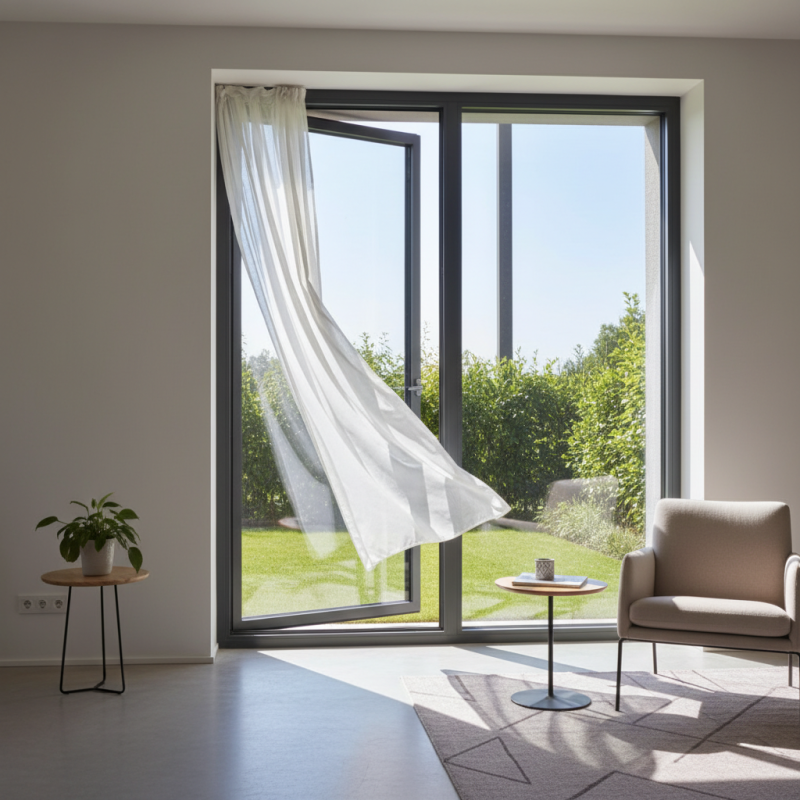
Pros and Cons of Inward Opening Windows You Should Know?

Pros and Cons of Inward Opening Windows: A Comprehensive Overview

Inward opening windows offer unique benefits and challenges for homeowners. One of the significant advantages is improved ventilation. According to a study by the National Institute of Standards and Technology, proper airflow can reduce indoor pollutants by up to 30%. This is crucial for maintaining a healthy living environment. Inward opening designs also allow easy cleaning from the inside, making window maintenance more straightforward for residents.

However, there are drawbacks to consider. Inward opening windows can consume indoor space when fully opened. This could be a concern for homes with limited room. Additionally, these windows may not provide adequate weather resistance in certain climates, as highlighted by the American Institute of Architects. Experts recommend carefully evaluating local weather conditions before installation.

Tips: Ensure that your inward opening windows have high-quality seals to prevent drafts. Regularly check hinges and locks to maintain functionality and safety. Always consult with a professional if you have concerns about fitting or performance.

Pros and Cons of Inward Opening Windows

This chart illustrates the pros and cons of inward opening windows. While they offer several advantages like increased ventilation and ease of cleaning, they also have drawbacks such as potential space issues and reduced security. The count of identified pros and cons is represented in the bar chart above.

Advantages of Inward Opening Windows: Efficiency and Space Saving

Inward opening windows are gaining popularity for their efficiency and space-saving benefits. These windows pivot inward, allowing for easy cleaning and better ventilation. According to a report by the National Association of Home Builders, homes with inward opening windows can save up to 30% more space compared to traditional outward opening options. This feature is particularly advantageous in tight urban environments.

Moreover, inward opening windows enhance thermal efficiency. A study by Energy Saving Trust indicates that windows account for about 25% of heat loss in homes. By using high-performance inward opening designs, homeowners can reduce energy bills significantly—by approximately 10%—leading to long-term savings.

However, design flaws can arise. They may not provide adequate weather protection if improperly installed. Potential water leaks could occur during heavy rain. This risk requires careful consideration and expertise during installation. Addressing these challenges can help maximize the advantages of inward opening windows in residential design.

Pros and Cons of Inward Opening Windows You Should Know?

Aspect Pros Cons
Space Efficiency Maximizes indoor space, suitable for small rooms. May limit available outdoor space for furniture or plants.
Ease of Cleaning Easier to clean windows from inside, no need for ladders. Potential for leaks if not properly sealed.
Safety Safer for high-rise buildings as they do not open outward. May not provide as much natural ventilation as outward-opening designs.
Security Difficult to access from the outside when closed. Can be more easily pried open than fixed windows.
Aesthetic Appeal Modern design that fits well in contemporary architecture. May not suit traditional architectural styles.

Drawbacks of Inward Opening Windows: Maintenance and Weather Concerns

Inward opening windows come with notable drawbacks, particularly regarding maintenance. These windows can collect dirt and debris in the hinge area. This build-up can lead to rust or malfunction if not cleaned regularly. The cleaning process itself can be cumbersome, as accessing the window's exterior is not straightforward. Additionally, the pivoting design often means that dust settles inside the frame, requiring extra effort during routine maintenance.

Weather concerns are equally significant. Inward opening windows may allow rain or snow into your home if not properly sealed. This issue can lead to water damage on your walls or flooring. In more extreme weather, such as high winds, these windows might not perform well. They can even create drafts if the sealing mechanisms wear out. Homeowners must regularly inspect the seals to ensure they remain effective and functional.

Another aspect to consider is safety. Inward opening windows may pose a risk if you have young children or pets. A child might accidentally lean against an open window, leading to potential accidents. Therefore, weighing these maintenance and weather-related concerns is crucial before deciding on this window style.

Energy Efficiency Statistics for Inward Opening Windows in Residential Use

Inward opening windows are gaining attention for their energy efficiency. A 2022 report from the Energy Saving Trust highlights that residential properties can save 20-30% on heating costs with proper window designs. Inward opening windows create an airtight seal when closed, minimizing drafts. This helps maintain indoor temperatures and reduces reliance on heating systems.

According to a study by the National Renewable Energy Laboratory, using inward opening windows can enhance natural ventilation. This reduces energy consumption by allowing fresh air without compromising heat retention. However, there are challenges. Improper installation can lead to leaks. Homeowners should ensure that fittings are tight to maximize benefits.

It's essential to weigh the operational aspects as well. Inward opening windows may restrict exterior access, especially in high-rise buildings. Regular maintenance is crucial to prevent wear and tear. Homeowners must stay informed and consider both the advantages and limitations.

Comparative Analysis: Inward vs. Outward Opening Windows in Different Climates

Inward opening windows have distinct advantages and disadvantages based on climatic conditions. In dry climates, these windows excel at keeping dust out while maximizing airflow. According to the International Window Association, homes in arid regions can reduce energy costs by up to 30% by choosing inward opening designs. The enclosed space facilitates better circulation, which is beneficial in both cool and warm weather.

In cold climates, inward opening windows may not perform as well. They can create drafts if not sealed properly. This can lead to increased heating expenses during winter months. Additionally, heavy snow or ice may obstruct their operation. Studies show that outward opening windows can enhance thermal efficiency by preventing cold air intrusion.

Tips: When installing inward opening windows, choose high-quality sealing materials. Regular maintenance checks can help prevent issues. Lastly, consider local weather patterns before making your choice. This small adjustment can make a significant difference in energy efficiency and comfort.

FAQS

: What are the benefits of inward opening windows?

: They improve ventilation and reduce indoor pollutants significantly. Cleaning them is also easier from the inside.

Are there space concerns with inward opening windows?

Yes, they can take up indoor space when fully opened, which might be problematic for smaller homes.

Do inward opening windows have weather resistance issues?

They may lack adequate weather resistance in certain climates, so local weather conditions must be evaluated.

How can inward opening windows affect maintenance?

They can collect dirt in hinge areas, which might lead to rust or malfunction if not cleaned regularly.

Is safety a concern with inward opening windows?

Yes, they can pose risks for young children or pets since they can accidentally lean against an open window.

How do inward opening windows contribute to energy efficiency?

They can save 20-30% on heating costs by creating an airtight seal and minimizing drafts when closed.

What maintenance steps are essential for inward opening windows?

Regularly check seals, hinges, and locks to prevent drafts and ensure functionality.

Can improper installation affect inward opening windows?

Yes, leaks from improper installation can negate energy-saving benefits, so tight fittings are crucial.

Do inward opening windows restrict exterior access?

Yes, especially in high-rise buildings, which can make maintenance more challenging.

Why is regular maintenance important for these windows?

It helps prevent wear and tear, ensuring the windows remain effective over time.

Conclusion

In evaluating the question of "What are the pros and cons of inward opening windows," it is essential to consider both the advantages and disadvantages associated with their design. One significant advantage is their space-saving efficiency, which is particularly beneficial in smaller living areas, as they do not require additional clearance like outward opening windows. Furthermore, they can enhance energy efficiency, making them a great choice for residential use, as studies have shown they can provide better insulation and reduce energy costs.

On the other hand, the drawbacks include maintenance challenges and potential weather concerns. Inward opening windows can accumulate dirt and require more frequent cleaning, as well as being susceptible to the elements in certain climates. A comparative analysis of inward versus outward opening windows reveals that the choice largely depends on geographic location and personal preferences concerning aesthetics and functionality. Overall, understanding these pros and cons is crucial when selecting the right window design for a home.

Liam

Liam

Liam is a dedicated marketing professional with a profound expertise in the industry, where he excels at highlighting the unique advantages of our core products. With a keen understanding of market trends and consumer needs, Liam frequently updates our company’s professional blog, providing......