How to improve home security with window locking systems begins with a realistic look at everyday weaknesses. A locked front door cannot protect a bedroom window left unsecured. Loose latches, worn frames, and hidden basement windows create practical risks. These details are easy to overlook.
Security technologist Bruce Schneier states, “Security is a process, not a product.” His point applies directly to window protection. A strong lock helps, but reliable security also requires regular checks, correct installation, and sensible household habits. This guide presents seven practical tips for improving window security without making the home feel like a fortress. It covers key-locking handles, secondary locks, window pins, restrictors, reinforced frames, and maintenance routines. Each option should match the window’s material, opening style, and location. A small bathroom window may need a different solution from a wide ground-floor casement.
Start with observation. Test each window from inside. Notice movement, damaged hardware, and gaps around the frame. Then consider how a child, visitor, or emergency responder would use the window. That perspective can reveal problems a quick inspection misses. Not every extra lock improves safety. Some can delay emergency escape when poorly selected or incorrectly fitted. Professional advice may be worthwhile for older frames or unusual window designs.
The goal is controlled access, not absolute protection. Even high-quality hardware can fail without maintenance. A monthly check, visible documentation, and careful product selection create a stronger routine. Small improvements matter.
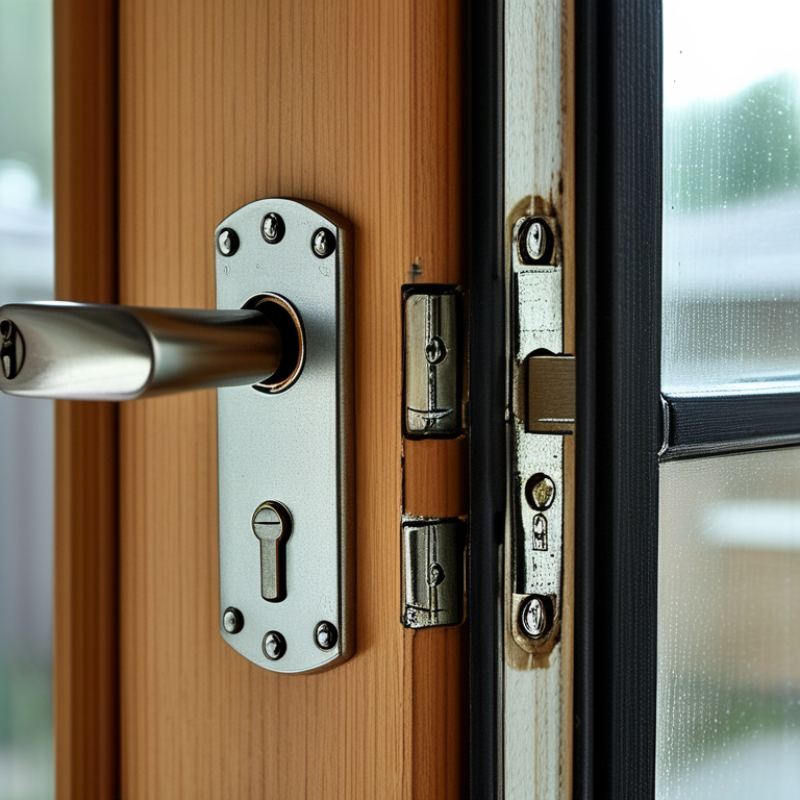
A secure window does more than close a gap; it controls one of the home’s most overlooked entry points. In my experience inspecting residential windows, weak latches often show small warning signs: loose screws, worn catches, and frames that shift when pressed. A properly fitted locking system keeps the sash aligned and makes forced movement harder. It also gives residents a clear daily security check. The window is shut. The lock is engaged. Small habits matter.
Modern systems may use keyed locks, sliding bolts, or multi-point mechanisms, depending on the window design. The right choice should match the frame material, opening direction, and emergency egress requirements. A lock that blocks safe escape is not a responsible upgrade. Consult a qualified window professional when measurements or installation seem uncertain. They can check anchoring points, strike plates, and surrounding timber for weakness. Security depends on the whole assembly, not one metal component.
Test each lock monthly. Apply only the lubricant recommended for its material, and replace damaged fasteners promptly. Keep nearby shrubs trimmed so the window remains visible from outside. Do not hide spare keys beside the frame; predictable places are easy to notice. I have also learned that complicated systems are sometimes neglected. If every household member cannot operate the lock correctly, protection may fail during stress. Review the setup after renovations, seasonal swelling, or changes in household routines. Good security is practical, visible, and regularly questioned.
A practical window security review begins with vulnerability, not hardware. Walk around your property after sunset and inspect ground-floor windows, basement openings, and windows hidden by fences or shrubs. Check whether the frame flexes, the latch engages fully, or the glass sits beside a reachable handle. I once trusted a factory latch because it looked solid. A light push revealed movement in the frame. That assumption was wrong.
Choose the lock type according to the window’s design and daily use. Sliding windows often benefit from a pin lock or a track-mounted stop, while hinged windows may need a secure handle lock with a reinforced strike plate. Older timber frames can require repair before any new lock works properly. Do not block an emergency exit. A lock should open quickly from inside without a key, where local safety rules require it. Ventilation matters too. A limited-opening device can reduce access while allowing controlled airflow.
Test every installation by pulling the sash, checking screw tightness, and operating the lock with the window closed. Short screws may grip only the trim, not the structural frame. Use fixings suited to the material, and seek advice from a qualified locksmith or building professional when the frame is damaged. Recheck locks after seasonal swelling, repainting, or repeated use. Small gaps matter. A strong lock cannot compensate for cracked glass, weak hinges, or an exposed latch. My own inspection checklist has changed over time, because windows rarely fail in the way I first expect.
Window vulnerability depends on accessibility, opening style, frame condition, and the strength of the existing lock. This illustrative 1–5 assessment scale compares common window-locking options across practical security factors.
Higher scores indicate stronger performance across resistance to forced opening, suitability for accessible windows, tamper resistance, and ease of use. For vulnerable ground-floor or basement windows, combine a suitable lock with secure glazing, restricted opening, and regular frame maintenance.
Reliable window security begins with correct installation, not simply buying a stronger lock. Identify the window type, frame material, and opening direction before choosing hardware. Measure twice. A lock mounted too close to the edge can split a wooden frame or weaken thin metal. On sliding windows, place the lock where both panels meet firmly. For hinged windows, keep the mechanism aligned with the closing edge. Do not guess.
Mark the screw holes with the window fully closed. Predrill carefully, using a bit slightly narrower than the screws. This reduces cracking and helps the fasteners sit straight. Use screws that fit the frame depth without reaching the glass or damaging internal parts. Tighten them firmly, but avoid crushing vinyl or bending aluminum. The lock should engage smoothly, without force. Test it gently several times.
A practical installation also considers emergency access. Never secure a required escape window so tightly that occupants cannot open it quickly. Check local fire-safety requirements, especially in bedrooms and lower-level rooms. Add a visible opening indicator if the lock position is difficult to see at night. I once trusted a lock because it looked solid, but the frame flexed during testing. That mistake changed my routine: I now inspect the frame, latch, screws, and window movement together. Recheck each lock after heavy weather, remodeling, or repeated use. Small alignment changes can reduce protection.
| Tip | Recommended Action | Best Application | Installation or Checkpoint | Security Benefit | Maintenance Frequency |
|---|---|---|---|---|---|
| 1. Select the correct lock type | Match the lock to the window design, such as single-hung, double-hung, sliding, casement, or awning windows. | Every accessible window, especially those on the ground floor. | Confirm that the lock is compatible with the frame and does not prevent normal emergency operation. | A compatible lock provides a more secure fit and reduces the chance of improper closure. | Review compatibility whenever a window or frame is replaced. |
| 2. Install locks on solid material | Fasten the lock to sound wood, metal, or reinforced window framing rather than weakened trim or damaged surfaces. | Older windows and frames with visible wear. | Use the supplied fasteners or suitable screws, and pre-drill carefully when required to avoid splitting the frame. | Strong attachment helps the lock resist force applied to the sash. | Inspect the mounting points every 6 months. |
| 3. Secure sliding windows | Use a properly fitted secondary stop, pin, or track lock designed for horizontal sliding windows. | Sliding windows and patio-style glass panels. | Place the device so the window cannot move when locked, while keeping a clear path for emergency release. | Limits horizontal movement and helps prevent forced opening. | Test movement monthly and after heavy use. |
| 4. Add opening-limit protection | Install a compliant window-opening control where limiting the opening is appropriate. | Upper-floor windows, bedrooms, and areas requiring child safety. | Set the opening limit according to local safety requirements and ensure adults can release it quickly during an emergency. | Reduces accidental falls while still allowing controlled ventilation. | Check operation every 3 months. |
| 5. Protect basement and hidden windows | Treat basement, side-yard, and concealed windows as priority access points and use suitable locks or security stops. | Windows hidden from street view or located below grade. | Keep window wells clear and verify that the lock remains reachable and functional. | Addresses locations that may receive less visibility and routine attention. | Inspect at least twice a year and after storms. |
| 6. Preserve emergency egress | Use locks that can be opened from inside without a key, tool, or complicated procedure where the window is designated for escape. | Sleeping rooms and other required emergency-exit windows. | Open and close the window from inside to confirm that occupants can exit quickly. | Balances intrusion resistance with fire and emergency safety. | Conduct a practical escape test every 3 months. |
| 7. Test and maintain every lock | Check alignment, screws, corrosion, wear, and smooth operation; clean moving parts and replace damaged hardware. | All windows with primary or secondary locking systems. | Close the window fully, engage the lock, and apply gentle pressure to confirm that the sash does not shift unexpectedly. | Routine testing identifies failures before they reduce protection. | Test monthly; perform a detailed inspection every 6 months. |
Safety note: Window locks and opening-control devices should never block a required emergency exit. Follow applicable local building, fire, and child-safety requirements.
A secure window needs layers, not one impressive lock. The FBI’s 2022 Crime Data Explorer recorded 847,522 burglary offenses nationwide. Windows remain attractive entry points because they are often hidden behind curtains or landscaping. Tip 1: Install keyed or pin locks on every accessible window. Tip 2: Check the frame and strike plate, not only the latch. A strong lock can fail against a weak frame.
Tip 3: Add contact sensors that alert when a window opens. Place the alarm chime where household members can hear it. Tip 4: Use security screens with strong frames and tamper-resistant fasteners. Ordinary insect screens offer almost no forced-entry resistance. Tip 5: Test each sensor monthly, including during power or Wi-Fi interruptions. This is easy to forget.
NFPA 730, the Guide for Premises Security, supports layered protection rather than relying on one device. Tip 6: Consider laminated or reinforced glass for ground-floor windows. It may remain bonded after impact, slowing entry and creating noise. However, glass alone cannot protect a weak frame. Tip 7: Trim shrubs near windows, while keeping emergency exits operable. The U.S. Consumer Product Safety Commission continues to warn about window-fall hazards, so locks must not block safe escape. I have seen homeowners over-secure bedrooms and create a dangerous delay. Review the setup twice yearly. No system is perfect.
Maintaining and Testing Window Locking Systems Regularly
A secure window is not secure forever. Dust, humidity, loose screws, and frame movement can weaken a locking system without obvious damage. The FBI’s 2022 Crime Data Explorer recorded more than 847,000 burglary offenses in the United States. That figure supports a practical habit: inspect window locks during every seasonal home check.
Close each window fully, engage the lock, and pull the sash gently. It should remain firmly seated without rattling. Check screws for movement, metal parts for corrosion, and plastic components for cracks. Clean debris from the track before testing. Use only a compatible lubricant, because excess oil can collect dust and reduce movement. Test ground-floor windows monthly, and examine upper-floor windows at least twice a year.
Do not overlook emergency opening. A lock must resist unwanted entry while allowing safe escape when required. CPSC data from 2017–2021 linked window falls to roughly 3,300 emergency-department-treated injuries among children under five each year. Keep furniture away from windows, and confirm that safety devices do not block necessary opening. A lock may look perfect and still fail under pressure. I would test it twice, not once. Record loose hardware and replace questionable parts promptly. My own checklist is useful, but it is not flawless; older frames can hide alignment problems that need professional inspection.
Identify the window type, frame material, and opening direction. Measure the frame twice. A sliding window needs a lock where both panels meet. Hinged windows need alignment near the closing edge.
Close the window completely before marking. Predrill with a bit slightly narrower than the screws. This reduces cracks in wooden frames. Avoid placing screws too close to an edge. Do not guess.
Use screws that fit the frame depth. They must not reach the glass or internal parts. Tighten firmly, but avoid crushing vinyl or bending aluminum. The lock should engage smoothly.
Close the window, engage the lock, and pull the sash gently. It should stay seated without rattling. Test the mechanism several times. A strong-looking lock can still fail.
They should never prevent quick opening from a required escape window. Check local fire-safety requirements. Keep bedroom exits usable. A visible opening indicator may help at night. Safety comes first.
Layered protection is more dependable. Consider contact sensors, strong security screens, and reinforced glass. Check the frame and strike area, not only the latch. A weak frame can defeat a strong lock.
Test ground-floor windows monthly. Examine upper-floor windows at least twice yearly. Inspect after heavy weather, remodeling, or frequent use. Look for loose screws, corrosion, cracks, and track debris. Small details matter.
Clean the track before testing. Use only compatible lubricant, and avoid excess oil. Keep furniture away from windows. My checklist helps, but it is not perfect. Older frames may hide alignment problems requiring professional inspection.
How to improve home security with window locking systems begins with understanding how effective locks can reduce unauthorized entry and improve overall household protection. Start by inspecting every window, especially those on the ground floor, near balconies, or hidden from public view. Choose lock types that match the window’s design and provide a firm, tamper-resistant closure. Proper installation is equally important, since a poorly fitted lock may create a false sense of security or fail under pressure.
For stronger protection, combine window locks with contact sensors, secure screens, and reinforced glass where appropriate. These additional measures can help detect movement, delay forced access, and provide multiple layers of defense. Regular maintenance should include checking screws, frames, locking mechanisms, and sensor connections for wear or looseness. Test each system periodically, repair problems promptly, and ensure that household members know how to use the locks correctly. A consistent inspection and maintenance routine helps keep window locking systems reliable over time.

Spencer Window