In recent years, energy efficiency has become a critical focus in building design. European windows are often highlighted for their superior performance in this area. Dr. Anna Müller, a leading expert in sustainable architecture, states, "The design and materials used in European windows provide unmatched thermal insulation." This insight leads us to ask, "Why are European windows better for energy efficiency?"
European windows often feature triple glazing and advanced frame designs. This helps significantly reduce heat loss during colder months. Additionally, they are designed for airtightness, which minimizes drafts. As energy costs rise, many homeowners are reevaluating their choices. This shift raises questions about energy efficiency standards in different regions.
However, not all European windows meet high standards. Variability in manufacturing quality can lead to performance issues. Homeowners need to consider not just aesthetics but also long-term savings on energy bills. While European models often excel, it's essential to research and choose reputable brands for maximum efficiency. Understanding why European windows excel can lead to better investment decisions for energy-efficient homes.
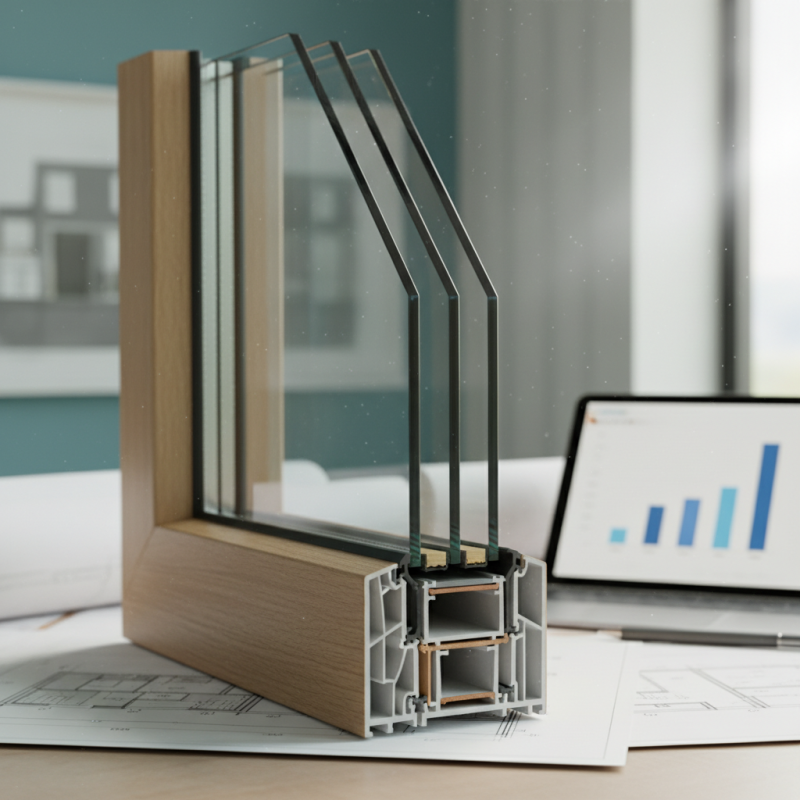
European window designs are widely considered superior in energy efficiency due to several innovative features. One key aspect is the use of triple glazing. This extra layer of glass reduces heat loss significantly. The air or gas between the panes acts as an insulator. This technology helps maintain a comfortable indoor temperature, especially during harsh winters.
Another important feature is the thermal breaks in the frames. These breaks prevent heat transfer through the material. Additionally, many European windows utilize low-emissivity (low-E) coatings. These coatings reflect heat back into the room. They also minimize UV exposure, protecting furniture and flooring from fading.
Moreover, the craftsmanship of European windows often includes better sealing techniques. Gaps and drafts can create energy inefficiencies. High-quality seals ensure that windows fit snugly. However, even with these advancements, improper installation can lead to significant energy loss. This emphasizes the importance of proper fitting, which is sometimes overlooked. Energy-efficient windows are indeed a remarkable innovation, but reflection on installation practices is crucial for maximizing their benefits.
European windows commonly excel in energy efficiency compared to their non-European counterparts. These windows often feature multi-chambered designs, which trap air and provide better insulation. Advanced glazing techniques further enhance thermal performance. They minimize heat loss during winter and reduce heat gain in summer. This technology helps maintain a stable indoor climate.
In contrast, non-European window solutions may rely on simpler designs. While they can be cost-effective, they often lack insulation layers found in European models. Many of these windows perform well, but not all meet strict energy standards. This discrepancy can lead to increased energy consumption over time.
Moreover, the building regulations in Europe often emphasize sustainability. This drives innovation and continuous improvement in window technology. Non-European markets sometimes lag behind due to less stringent standards. As a result, energy efficiency may not be a priority. Understanding these differences can guide consumers in making informed choices for their homes.
European windows excel in energy efficiency, primarily due to their superior materials and advanced insulation practices. The common use of triple glazing significantly reduces heat loss. In fact, triple-glazed windows can cut energy bills by as much as 30% compared to traditional double-glazed options. The integration of low-emissivity (low-E) coatings also enhances thermal performance. This technology reflects heat back into the home while allowing natural light to enter.
Another key factor is the framing materials. In many European designs, frames made from uPVC, wood, or fiberglass offer excellent insulation properties. For example, uPVC windows can achieve R-values as high as 5.0, which is significantly better than aluminum frames. The best performing windows have integrated thermal breaks that minimize cold bridging, an often-overlooked aspect that can lead to drafts and energy loss.
However, despite these advancements, there are still areas needing improvement. Installation practices can vary widely across Europe, affecting overall performance. Poor installations can result in gaps, leading to air leaks. Homeowners must prioritize professional installation to maximize the potential benefits of their energy-efficient windows. The reality is that even the best windows cannot compensate for poor installation practices.
European windows are designed with energy efficiency in mind. The local climate significantly influences their energy performance. In colder regions, triple-glazing is common. It reduces heat loss during winter. This construction technique allows homes to remain warm. In warmer climates, windows focus on minimizing heat gain. These areas often use low-emissivity (Low-E) glass to reflect sunlight.
The insulation properties of windows vary across Europe. In northern countries, thicker frames and better seals are essential. They prevent drafts that can increase heating costs. Southern nations prioritize ventilation mechanisms. These allow cool breezes to enter while blocking excess heat. Such adaptations illustrate the impact of local conditions on window design.
Some European designs may not perform well in every climate. A window that excels in Scandinavia might struggle in Mediterranean settings. It’s essential to assess the specific needs of each region. This requires ongoing evaluation and adjustment. Understanding climate’s effect on energy efficiency can lead to better choices. While European windows are often superior, there is still room for improvement.
European regulations and standards play a crucial role in enhancing energy efficiency. Countries across the EU have established strict guidelines for windows. These standards focus on thermal performance, durability, and environmental impact. As a result, windows made in Europe often meet high energy-saving criteria. Energy labels are now common, guiding consumers in their choices.
The European Union mandates that all new construction must adhere to energy efficiency laws. This includes rigorous testing for insulation and air leakage. Such measures ensure that windows in residential buildings help reduce energy loss. There is, however, room for improvement. Some manufacturers still struggle to meet these stringent criteria. Consumers are encouraged to verify certifications and test results. This can ensure they are investing in truly energy-efficient solutions.
A systematic approach is needed to address these challenges. Increased collaboration between manufacturers and regulatory bodies could enhance compliance. Also, public awareness campaigns can educate consumers about the importance of energy-efficient windows. The overall goal is to create a sustainable future while ensuring that energy-efficient products are accessible and effective.
: European windows often have multi-chambered designs, trapping air for better insulation.
Triple-glazed windows can cut energy bills by up to 30% compared to traditional options.
Popular materials include uPVC, wood, and fiberglass, offering excellent insulation properties.
Non-European windows may use simpler designs without the insulation layers found in European models.
EU regulations set strict guidelines for thermal performance and durability, promoting energy-saving criteria.
Professional installation is crucial. Poor installation can create gaps and lead to air leaks.
No, some manufacturers struggle to meet energy efficiency standards despite the overall focus.
Consumers should verify certifications and test results before making a purchase.
Low-E coatings reflect heat back indoors while allowing natural light to enter, enhancing thermal performance.
Awareness campaigns can educate consumers on the benefits of energy-efficient windows and available options.
European windows are recognized for their superior energy efficiency, which stems from a combination of advanced design features and high-quality materials. The article explores the energy-efficient characteristics inherent in European window designs, such as multi-chamber frames and triple glazing, which significantly reduce heat loss. By analyzing the differences between European and non-European window technologies, it becomes clear why European windows better cater to energy efficiency standards.
Additionally, the article examines the impact of local climates on the performance of these windows, highlighting how European manufacturers adapt their products to meet regional needs. Stringent regulations and energy efficiency standards in Europe further drive innovation and ensure that windows meet high-performance criteria. Overall, the inquiry into "Why are European windows better for energy efficiency" reveals a well-rounded approach that combines technology, materials, and regulatory frameworks to achieve impressive energy-saving outcomes.

Spencer Window