10 Reasons Why European Windows Excel in Energy Efficiency?

Time:2026-07-27 Author:Sienna
0%

In recent years, energy efficiency has become a major concern for homeowners. The demand for effective energy-saving solutions is rising. A key player in this evolution is the design and technology of windows. Why are European windows better for energy efficiency? Several studies highlight their superior insulation properties. For instance, the European Window Energy Rating (WER) system demonstrates that many European windows achieve high energy efficiency ratings. This significant data supports the notion that well-designed windows are vital in reducing energy loss.

European windows often utilize advanced glazing technologies. Double or triple glazing systems trap air or inert gas between panes. This setup minimizes heat transfer. According to the International Energy Agency (IEA), well-insulated windows can reduce heating needs by up to 20%. Yet, some consumers remain unaware of these benefits. There are still instances where people opt for standard windows, overlooking the potential savings.

Investments in European window technologies pay off in the long run. They reduce energy consumption and lower utility bills. Furthermore, they contribute to sustainable living. Despite initial costs, the long-term benefits make a compelling case for transition. Homeowners thinking about renovations should consider energy-efficient options. The gap in awareness needs addressing to fully leverage these technologies.
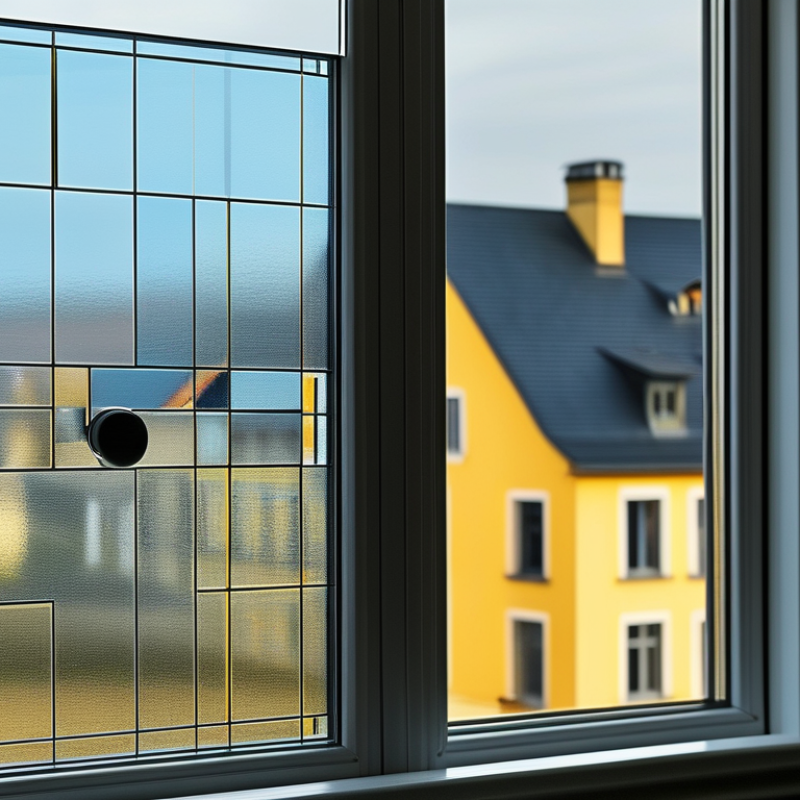
10 Reasons Why European Windows Excel in Energy Efficiency?

Reasons for Rigorous Energy Standards in European Building Codes

European building codes are known for their rigorous energy standards. These standards play a crucial role in promoting energy efficiency. They stem from a long history of environmental focus and innovation. By ensuring that buildings adhere to strict guidelines, Europe minimizes energy waste.

A significant factor in energy standards is thermal performance. Windows designed under these standards often have multiple panes. This helps to reduce heat loss during colder months. Insulation materials are also prioritized. They prevent leaks and ensure that indoor temperatures remain stable.

Tip: When selecting windows, consider their U-value. A lower U-value means better insulation.

Moreover, the integration of renewable technologies is vital. Many new buildings incorporate features like solar panels. This approach helps to offset energy consumption. Yet, challenges remain. Some regions struggle with older buildings that do not meet modern codes. Upgrading these can be costly and time-consuming.

Tip: Look into incentives or grants for energy-efficient renovations.

Efficiency in the European context isn't just about legislation. It's also about public awareness and education. Citizens are increasingly aware of their energy consumption. This awareness drives demand for better solutions. Yet, more needs to be done to educate those in rural areas. They often have less access to sustainable technologies. Addressing these gaps will enhance overall energy efficiency across Europe.

Innovative Materials Used in European Window Designs

European windows stand out due to their innovative materials that enhance energy efficiency. Many designs utilize triple glazing, which significantly reduces heat loss. According to the European Commission's Report on Energy Efficiency, buildings account for around 40% of energy consumption. This statistic underscores the importance of effective window design in achieving energy savings.

Another notable material is PVC, which is widely used for framing. PVC’s excellent insulation properties prevent air leaks, contributing to lower heating and cooling costs. A study by the International Energy Agency notes that homes with high-quality windows can reduce energy use by up to 30%. This reduction is crucial, especially in colder climates, where energy demand peaks during winter.

Wood-alternative materials, like fibreglass, offer additional benefits. They endure harsh weather while maintaining energy efficiency. However, some argue about the longevity and sustainability of these materials. Not every product lives up to environmental claims. The market continues to evolve, and consumers need to be informed. Balancing aesthetics, efficiency, and sustainability remains a complex challenge in modern construction.

The Role of Triple Glazing in Energy Efficiency

Triple glazing is a significant advancement in window technology. It consists of three layers of glass separated by gas-filled spaces. This construction provides superior insulation compared to traditional double glazing. According to research by the National Fenestration Rating Council (NFRC), triple-glazed windows can achieve up to 30% better energy efficiency. This efficiency translates into lower heating costs, especially in colder climates.

In colder regions, the impact is even more pronounced. The additional layer of glass drastically reduces heat loss. A study from the University of Cambridge highlighted that homes equipped with triple glazing can see a reduction in energy consumption by up to 40%. This is especially vital as homeowners seek to cut their energy bills and reduce their carbon footprint.

While the benefits are clear, installation may pose challenges. The weight of triple-glazed windows requires reinforced frames. Not all existing window structures may accommodate this upgrade. Additionally, the initial costs can deter some homeowners. It's essential to weigh these factors against long-term savings on energy bills. Balancing efficiency, cost, and practicality is crucial when considering window upgrades.

Advanced Weatherproofing Techniques in European Windows

European windows are renowned for their exceptional energy efficiency. A key factor in this lies in the advanced weatherproofing techniques employed during their manufacturing. These techniques are not just innovations; they represent a commitment to sustainability and comfort in living spaces.

One such technique is the use of multiple sealing systems. These seals create air-tight barriers, preventing drafts and heat loss. Manufacturers often utilize high-performance materials that resist wear over time. This approach significantly reduces energy bills for homeowners. Despite these benefits, some may still struggle with installation, which can compromise the intended efficiency. Careful attention to detail is crucial during this process.

Another aspect is the use of triple glazing in windows. This method involves three panes of glass, enhancing insulation. The space between each pane is filled with argon gas, further slowing the transfer of heat. While this technology can lead to outstanding thermal performance, potential drawbacks include weight and cost. Not every home may support these heavier units, so a careful assessment is essential. Reconsidering the balance between aesthetics and practicality can lead to better choices for energy efficiency.

Impact of Orientation and Installation on Energy Performance

The orientation and installation of windows significantly impact their energy performance. Proper orientation allows windows to harness natural sunlight, reducing the need for artificial lighting and heating. South-facing windows can absorb warmth during the winter, while east and west orientations catch the soft morning and evening light. This strategic placement can lead to substantial energy savings throughout the year.


Installation quality is equally crucial. Poorly installed windows create drafts and thermal bridges, leading to energy loss. It's essential to ensure windows are sealed tightly and correctly in their frames. Inadequate insulation around windows can also diminish their performance, allowing heat to escape in winter or enter in summer. Proper measures can lead to more efficient heating and cooling, making homes more comfortable while saving on energy bills.


Many homeowners overlook these aspects. They focus solely on the style rather than performance factors. Reflecting on one’s choices in window orientation and installation can yield better energy efficiency. Investing time in understanding these elements can help in making well-informed decisions. Ultimately, energy-efficient windows need attention not just to their design but to how they are integrated into the home.

FAQS

: What are the benefits of triple glazing in windows?

: Triple glazing reduces heat loss significantly and enhances insulation. It contributes to improved energy efficiency.

How does window orientation affect energy consumption?

Proper orientation allows windows to utilize natural sunlight, reducing heating and lighting needs.

What role does installation quality play in window performance?

Poor installation can create drafts and thermal bridges, leading to notable energy loss. Sealing is essential.

Why is PVC popular for window framing?

PVC offers excellent insulation, preventing air leaks and lowering heating and cooling costs considerably.

Are wood-alternative materials like fiberglass sustainable?

While they withstand harsh weather, concerns exist about their longevity and environmental claims. Awareness is vital.

What challenges do homeowners face with energy-efficient windows?

Many overlook practical issues like orientation and installation, focusing instead on aesthetics. Reflection on choices is necessary.

What are the potential drawbacks of using triple glazing?

Triple glazing can be heavier and more expensive. Not every home may support these thicker units. Assess carefully.

Conclusion

European windows are renowned for their superior energy efficiency, and there are several reasons behind this. Firstly, stringent energy standards in European building codes mandate high-performance windows that minimize energy loss, ensuring optimal thermal insulation. Additionally, innovative materials used in window designs, such as advanced uPVC and composite frames, contribute significantly to their durability and efficiency.

Furthermore, the use of triple glazing is a game-changer, providing an extra layer of insulation that drastically reduces heat transfer. Advanced weatherproofing techniques also play a critical role, sealing windows against air leaks and maximizing performance. Lastly, the impact of orientation and proper installation can enhance energy performance, making a well-placed window a key player in reducing overall energy consumption. In answer to the question, "Why are European windows better for energy efficiency?" it's clear that a combination of rigorous standards, innovative design, and meticulous installation practices come together to deliver exceptional energy-saving benefits.

Sienna

Sienna

Sienna is a skilled marketing professional with a deep expertise in our company’s core products and services. With a passion for innovation and detail, she plays a pivotal role in crafting insightful blog posts that not only highlight the unique features of our offerings but also provide valuable......