Converting a fixed window into an opening one can enhance ventilation and natural light in your home. Many homeowners find themselves asking, "Can I convert a fixed window into an opening one?" This is a common concern, and the answer isn't always straightforward.
To start, it's essential to evaluate the existing structure and type of fixed window. Some designs may allow for modifications, while others pose challenges. Seeking advice from a professional is highly recommended. Their expertise can help you navigate potential issues.
Moreover, consider the implications of such changes. This project may require permits and could affect your home’s energy efficiency. A well-planned approach can streamline the process, but expect some unexpected hurdles along the way. Adjustments may be necessary as you progress. Remember, every home is unique, so tailor your plans to fit your specific needs.
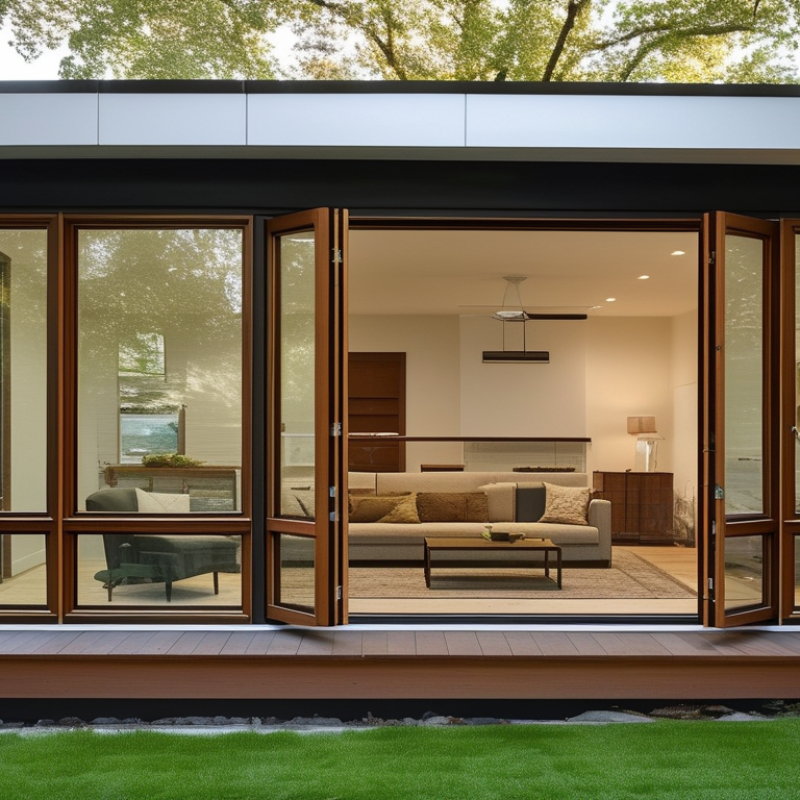
Fixed windows are common in architecture but limit airflow and views. Understanding their types helps in redesigning homes. Fixed windows can be large and provide an unobstructed view. However, they lack functionality compared to opening windows. Opening windows allow ventilation and create a more dynamic space.
When considering a conversion, it’s essential to evaluate your building. Wall structure, insulation, and aesthetic preferences play significant roles. Are you open to making larger modifications? This decision could affect your home’s energy efficiency. Sometimes, a simple replacement is not enough. You might also need to upgrade the frame and surrounding elements.
**Tip: Seek the advice of an architectural professional.** They can provide insights into structural integrity and design implications. Balance is key. You want a window that offers light and ventilation while blending with the overall design.
**Tip: Consider the climate in your area.** This will impact the types of opening windows you should choose. For instance, casement windows are great for ventilation. Reflect on your needs and lifestyle. Conversion might seem challenging, but thoughtful planning makes it worthwhile.
This chart illustrates the comparison between fixed windows and opening windows based on their usage in modern architectural designs. The data reflects the percentage of each type in a typical residential building.
When considering the conversion of fixed windows into operable ones, assessing structural integrity is crucial. A report by the American Institute of Architects states that over 30% of renovation projects face issues related to structural support. This makes it essential to evaluate the existing frame, wall, and foundation. Inspecting load-bearing walls and ensuring adequate support can prevent costly mishaps later on.
Tips: Examine the window frame. A weak frame can compromise the project. Additionally, consider local climate factors, as they can affect window performance. A poorly executed installation can lead to air leaks and increased energy costs.
It is vital to consult with structural engineers. Their expertise can illuminate potential issues with your current setup. Sometimes, surprises lurk beneath the surface, like hidden damage or inadequate support. An in-depth assessment can save time and money. Never rush this phase; it dictates the success of your conversion. Properly addressing structural challenges will enhance both the functionality and aesthetics of your home.
When embarking on a window conversion project, having the right tools and materials is crucial. You will need basic carpentry tools like a saw, hammer, and nails. A level is essential to ensure the new window frame is perfectly aligned. It helps prevent future structural issues. A chisel will allow for precise adjustments to the existing opening. Also, a drill with the appropriate bits is necessary for making holes and fitting screws.
Materials are equally important for a successful conversion. Sturdy wood or composite framing will provide the necessary support. Ensure you have insulation materials to keep your home energy-efficient. Weather stripping helps seal gaps, preventing drafts. Don’t forget caulk to fill in gaps after installation. Lastly, consider safety gear, such as goggles and gloves. Working with tools can be risky.
While this may seem straightforward, mistakes can occur during the conversion process. Misaligned frames can lead to drafts or leaks. Not carving out enough space in the wall could result in a tight fit, making installation difficult. Budgeting for materials might also be an issue. Underestimating costs can lead to incomplete projects. Attention to detail is essential, as overlooking minor aspects can lead to larger problems later on.
Converting a fixed window into an opening one is a practical project many homeowners consider. This transformation can improve ventilation and enhance natural light. Start by assessing your window's structure. A trained professional may be needed for this job, ensuring safety and quality.
One key tip is to check your building regulations. Not all window modifications are permitted. Ensure your plans comply with local codes. Contacting your local authority can provide clarity. Involve experts early to avoid costly mistakes later.
Using specialized tools for this task is essential. A power saw will help cut through the frame. Remember, precision is critical. Safety gear is also a must. Dust and debris can pose risks. Take breaks to maintain focus and avoid fatigue.
Be prepared for unexpected challenges. Uneven walls and hidden utilities may slow you down. Adaptability is important. Document your progress to reflect on any changes made during the process. Keep learning from each step to refine your skills for future projects.
Modifying a fixed window into an opening one involves navigating building regulations and acquiring permits. Local codes can differ significantly. It's essential to understand your area's requirements before starting any project. According to the International Code Council (ICC), nearly 30% of renovation projects encounter issues related to permit compliance. This highlights the importance of thorough research and preparation.
Consulting with local building authorities is critical. They provide essential guidelines and safety codes that must be followed. In many jurisdictions, opening a window may require structural assessments. This ensures that the integrity of the building is not compromised. You might also need to factor in energy efficiency standards, as new openings can impact insulation and airflow.
Tips: Always check the latest building codes in your area. Consider hiring a professional for assessments and installations. This may save you time and potential headaches down the road. Keep in mind that maintaining the aesthetic appeal while meeting regulatory requirements can be challenging. Every project carries risks, so assess your situation carefully.
: Opening windows improve ventilation and increase natural light. It's a practical choice for many homeowners.
Assess your window's structure and verify local building regulations. Compliance is crucial to avoid issues.
Involving a trained professional ensures safety and quality. It's often worth the investment.
A power saw is essential for cutting the frame. Specialized tools improve precision and safety.
Wear safety gear and take breaks. Dust and fatigue can create risks during construction.
Uneven walls and hidden utilities can slow progress. Be ready to adapt and find solutions.
Consult local building authorities for guidelines. They provide necessary safety codes and requirements.
Keep track of your progress and any changes made. Reflecting can help improve future projects.
New windows may affect insulation and airflow. Consider energy efficiency standards during planning.
Yes, balancing aesthetics and compliance can be tough. Assess your situation and adapt as needed.
Converting fixed windows into opening ones can enhance ventilation and improve accessibility in a space. To successfully undertake such a project, homeowners should begin by understanding the different types of fixed and opening windows used in architecture. It is crucial to assess the structural integrity of the wall surrounding the window, as this will determine if the conversion is feasible. Essential tools and materials include saws, frames, screws, and seals, which are necessary for the conversion process.
The conversion project can be approached through a detailed step-by-step guide, ensuring that all aspects are covered, from frame removal to installation of hinges. Additionally, it's important to be aware of local building regulations and obtain necessary permits before making modifications. In summary, if you're wondering, "Can I convert a fixed window into an opening one?" the answer is often yes, but it requires careful planning and consideration of structural and legal aspects.

Spencer Window