Condensation inside double glazing is a common concern for many homeowners. It's a frustrating issue that can lead to questions like, "Why is condensation forming inside my double glazing?" According to industry expert Dr. Emily Harmon, “Understanding condensation is crucial in maintaining the integrity of your home’s windows.”
When double glazing fails, moisture can accumulate between the panes. This happens when the seal around the glass is damaged or compromised. Signs of condensation are often visible in the mornings or during temperature changes. Homeowners may notice foggy windows that affect their view.
Addressing this problem requires a combination of expertise and awareness. Homeowners should recognize potential causes, such as climate and humidity levels. They might feel overwhelmed by the situation, yet being informed can lead to effective solutions. Seeking professional advice is often beneficial, as experts can diagnose the problem accurately.
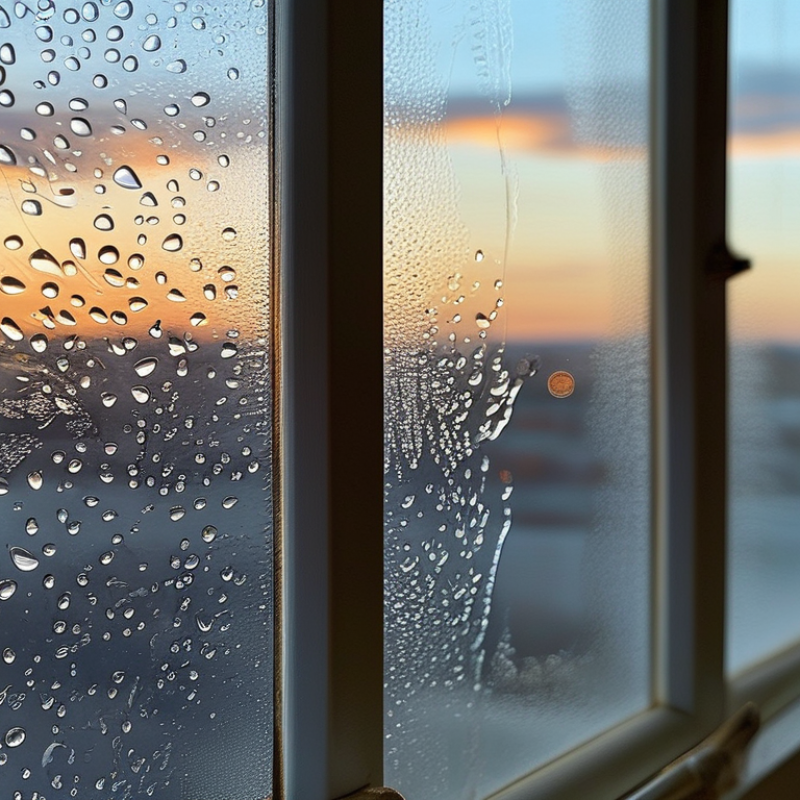
Double glazing is designed to enhance energy efficiency and comfort within homes. This technology consists of two panes of glass, separated by a spacer filled with gas. This gas acts as insulation, reducing heat loss. However, condensation can still form between the panes, indicating a potential problem.
When the seal of a double-glazed window fails, moisture can enter the space, leading to condensation. This often occurs due to temperature fluctuations. In cold weather, the warm indoor air hits the cold outer pane, causing moisture to condense. High humidity levels inside the house can also contribute to this issue.
Tips: To prevent condensation, ensure proper ventilation in your home. Use exhaust fans in kitchens and bathrooms. Maintain a consistent indoor temperature to minimize drastic changes. It's also beneficial to regularly check your windows for signs of wear and tear. Addressing these issues promptly can enhance the longevity and effectiveness of your double glazing. Reassess your window seals, as they play a crucial role in thermal performance.
Condensation inside double glazed windows is a common issue that many homeowners face. It often occurs when the seals on the windows fail. This allows moisture to enter the space between the panes. As temperatures drop, the moisture condenses, forming unsightly water droplets. You might notice this in colder months when indoor heating increases.
Another common cause of condensation is poor ventilation in your home. High humidity levels can accumulate, particularly in areas like bathrooms and kitchens. When warm air hits the cold glass, condensation forms. It’s crucial to maintain proper airflow to combat this issue. Regularly opening windows or using exhaust fans can help alleviate excess moisture.
Sometimes, the problem might seem minor but can lead to significant issues over time. Water can damage window frames and lead to mold growth. Inspecting your windows for any signs of damage is essential. You should also consider the age of your double glazing. Older windows may not insulate as effectively as newer models. Investing in good quality materials can prevent recurrent condensation problems in the future.
Condensation inside double glazing often results from temperature fluctuations and high humidity levels. When warm air meets the cold glass surface, moisture condenses. This typically occurs during cold mornings or evenings when the temperature drops rapidly. You might notice droplets forming between the panes or on the edges of the window.
Humidity plays a critical role in this process. In areas with high humidity, such as kitchens and bathrooms, the air contains more moisture. When that humid air comes into contact with cold windows, condensation can occur more frequently. Ventilation becomes vital here. Poor circulation allows moisture to build up indoors, increasing the likelihood of condensation. Consider using exhaust fans or opening windows to reduce humidity.
It’s important to reflect on your home’s climate and living habits. If you routinely see condensation, it might be worth assessing your indoor humidity levels. Are you using a dehumidifier? Do you dry clothes indoors? Addressing these questions can lead to long-term solutions. Understanding the interplay between temperature and humidity can empower you to prevent condensation effectively.
Double glazing units are designed to provide insulation and reduce condensation. However, not all units are created equal. Manufacturing standards play a crucial role in their performance. High-quality materials and precision in sealing are essential. Poor manufacturing can lead to gaps and moisture leaks. These gaps allow warm, moist air to enter the space between the panes, causing condensation.
When condensation occurs inside double glazing, it often signals a failure in the unit. It’s easy to overlook the importance of quality control during production. Manufacturers should adhere to strict guidelines. This ensures that the seals are intact and the gas fills are effective. However, some units may still falter due to improper handling during installation or environmental factors.
Homeowners need to be aware of the signs of poor-quality glazing. Discoloration, fogging, and water droplets are all warning signals. While many double glazing units serve their purpose well, there are instances when the ends justify the means. Reflecting on the quality not only saves time but also money in the long run. Being proactive about the choice of products is essential for lasting performance.
Condensation inside double glazing is a common issue faced by many homeowners. This problem occurs when the air trapped between the glass panes becomes humid, leading to moisture accumulation. According to industry reports, around 20% of homes experience this form of condensation, particularly in climates with high humidity or temperature fluctuations.
To prevent condensation, investing in quality window seals is crucial. Poor seals allow moisture to seep in, increasing the chances of condensation formation. Regularly inspect your windows for any signs of wear. If you notice gaps or cracks, consider resealing them promptly. Proper ventilation in your home also plays a vital role. Ensure that areas prone to moisture, like kitchens and bathrooms, have adequate airflow.
Tip: Use dehumidifiers in damp areas to control humidity levels effectively. Another option is to leave doors open to allow air circulation, especially after cooking or showering. Reducing indoor humidity can significantly lower the risk of condensation forming between your double-glazed windows. Remember, taking proactive steps can make a big difference.
| Cause of Condensation | Symptoms | Solutions | Prevention Methods |
|---|---|---|---|
| Poor insulation or seal failure | Moisture between panes, fogging | Replace or repair window seals | Regular maintenance checks |
| High humidity levels | Water droplets, damp smell | Use dehumidifiers | Ventilation improvements |
| Temperature fluctuations | Ice formation in winter | Adjust heating systems | Consistent indoor temperature |
| Aging window units | Visible condensation, poor view | Replace old windows | Buy modern, energy-efficient windows |
| Improper installation | Water pooling, drafts | Consult professional installers | Ensure certified installation |
: Double glazing uses two panes of glass to enhance energy efficiency and comfort.
The space between the glass panes is filled with gas, which acts as insulation to reduce heat loss.
Condensation occurs when moisture enters due to seal failure, often from temperature changes or high humidity.
Ensure proper ventilation, especially in kitchens and bathrooms, and maintain a consistent indoor temperature.
Regularly inspect for wear, like gaps or cracks in seals, and address any issues quickly.
High indoor humidity can lead to condensation between panes, especially in climates with fluctuating temperatures.
Use dehumidifiers in damp areas and consider leaving doors open for better air circulation after activities.
Quality window seals are crucial; poor seals allow moisture in, increasing the risk of condensation issues.
Yes, maintaining airflow and temperature balance is essential to prevent moisture problems between the glass panes.
Look for moisture buildup between panes; this indicates that seals may need repair or replacement.
Condensation inside double glazing can be a common concern for homeowners, prompting the question, "Why is condensation forming inside my double glazing?" Understanding the functionality of double glazing is essential, as it typically involves two glass panes with a sealed space in between, designed to enhance insulation. However, various factors such as high humidity levels, temperature fluctuations, and the quality of manufacturing can lead to moisture buildup within this sealed unit.
The impact of environmental conditions must also be considered; warm air holds more moisture, which can condense on the cooler surfaces of the glass. Implementing effective solutions and prevention methods, such as ensuring proper ventilation and checking the integrity of the seals, can help mitigate these condensation issues. By addressing the root causes and maintaining your double glazing, you can keep your windows clear and functional.

Spencer Window