When considering new windows for your home, the choice between tilt turn and casement windows is crucial. Each type has unique features that cater to different needs. Understanding how to choose between tilt turn and casement windows can enhance aesthetic appeal and functionality.
Tilt turn windows offer flexible ventilation options and easy cleaning. They can swing in for cleaning or tilt for ventilation. This dual action can be especially beneficial in urban settings where space is limited. Casement windows, on the other hand, provide a classic look with a strong seal against the elements. They open outward and allow for maximum airflow, which can be a deciding factor in climate considerations.
Selecting the right style requires thoughtful consideration. Reflect on your home's architecture, energy efficiency, and ease of use. It's also important to examine your lifestyle needs. A window that looks great may not always function effectively. Balance aesthetics with practicality. In the end, both styles have their advantages and compromises. Choosing the right one can significantly impact your living space.
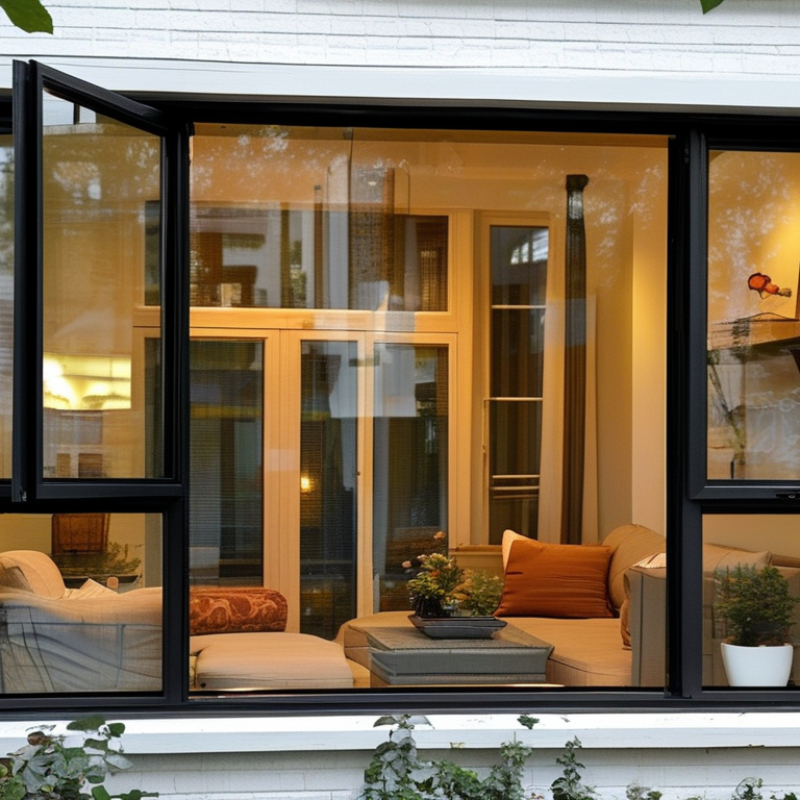
Tilt-turn windows are becoming a popular choice for modern homes. Their unique design combines functionality with aesthetic appeal. This style allows windows to open inward, maximizing airflow while maintaining security. A tilt function offers ventilation without fully opening, which is excellent for small spaces.
The energy efficiency of tilt-turn windows is another significant advantage. When closed, they provide a tighter seal than traditional options. This reduces drafts and keeps heating or cooling costs down. Many homeowners appreciate how easy these windows are to clean due to their ability to swing inward. However, some may find the installation process more complex compared to simpler window types.
Tilt-turn windows also enhance natural light in a room. Their larger glass surfaces can brighten any space. However, the upfront cost may be higher than other window styles. It's essential to weigh these factors against the long-term benefits. Flexibility in design allows for customization, making them suitable for various architectural styles.
Casement windows offer exceptional energy efficiency that can greatly benefit homeowners. Their design allows for a tight seal when closed, preventing air leaks. This feature is particularly important during extreme weather. Homeowners can enjoy consistent indoor temperatures year-round, leading to reduced heating and cooling costs.
The operable nature of casement windows also enhances ventilation. When fully opened, they capture breezes effectively, reducing the need for air conditioning. However, some may overlook regular maintenance. Over time, the mechanisms can wear down, affecting their efficiency. Ensuring they operate smoothly is essential for lasting benefits.
Moreover, while these windows provide great energy savings, their installation requires careful planning. Not every home can accommodate the necessary frame size or orientation. This aspect invites reflection on whether homeowners make informed choices based on their specific needs. Proper research and consultation can lead to the best outcomes.
| Feature | Casement Windows | Tilt Turn Windows |
|---|---|---|
| Energy Efficiency | High due to sealed edges and efficient ventilation | Moderate, depends on the angle of tilt |
| Air Tightness | Excellent sealing when closed | Good sealing, but may allow minor air leakage |
| Design Flexibility | Available in many styles and sizes | More versatile with multi-functional operation |
| Ease of Use | Simple crank operation | Dual function for easier access and cleaning |
| Maintenance | Low; requires regular cleaning | Low; also requires regular cleaning |
| Cost | Generally higher initial cost | Moderate cost, often more budget-friendly |
Tilt turn and casement windows offer distinct advantages for modern homes. Tilt turn windows provide versatility. They can open inward or outward, allowing for flexible ventilation. This design is excellent for areas with limited space. Homeowners appreciate how tilt turn windows can be fully opened for easy cleaning and enhanced airflow.
Casement windows, however, are straightforward and elegant. They hinge on one side and swing outward. This design creates a tight seal when closed, promoting energy efficiency. They are ideal for capturing cross breezes, enhancing natural airflow. Some homeowners might find casement windows limit what can be placed outside, as they require clearance.
Each window design has its merits and challenges. Tilt turn windows might be more complex, requiring regular maintenance on hinges. Conversely, while casement windows are user-friendly, they may restrict outdoor decor. It's essential to consider these factors and choose based on specific needs and home design.
Choosing between tilt turn and casement windows involves several key considerations. Tilt turn windows offer versatility. They can open inward, allowing for easy cleaning and ventilation. This function may appeal to homeowners in urban areas where outdoor access is limited. Casement windows, however, open outward, creating a larger opening for airflow. This can be beneficial in warmer climates, enhancing the natural breeze.
Here are some tips to consider when making a choice. Always think about the purpose of the window. If you prioritize security, casement windows typically have stronger locking mechanisms. If you're looking for easier maintenance, tilt turn designs might be your best bet. Consider the aesthetics as well. The style of your home can influence your decision. Some homeowners prefer the sleek look of tilt turn designs, while others like the classic appeal of casement windows.
Lastly, reflect on your local climate and environment. Tilt turn windows perform well in high winds due to their robust design. Conversely, if you live in a rainy area, consider the drainage that each style offers. Uninformed choices can lead to issues later. Make sure to weigh your options carefully.
When considering window options, tilt turn and casement windows offer unique maintenance and durability features. Tilt turn windows, for example, can be opened inward for easy cleaning. This makes them a practical choice for upper floors. Their design reduces the need for ladders or scaffolding, thereby increasing safety during maintenance.
According to a report by the American Architectural Manufacturers Association, tilt turn windows are often seen as more durable. They use high-performance hardware that has been tested for over 30,000 cycles. This durability translates into lower maintenance costs over time. In contrast, casement windows are often praised for their energy efficiency. Their tight sealing mechanism minimizes air leaks, which can lead to energy savings. However, they require maintenance on hinges and seals that could wear out quicker under heavy use.
Both types have their pros and cons. Tilt turn windows may require more initial investment but potentially save money on maintenance. Casement windows may have higher upkeep due to mechanical parts that can fail. Users must weigh these factors carefully, considering factors like climate and location to make the best choice for longevity.
: Tilt turn windows provide versatility. They can open inward or outward, allowing flexible ventilation.
Casement windows create a tight seal when closed. This reduces air leaks and saves energy costs.
Yes, tilt turn windows open inward for easy access. This feature simplifies cleaning for upper floor windows.
Casement windows require upkeep on hinges and seals. These mechanical parts can wear out with heavy use.
Tilt turn windows are often seen as more durable. They use high-performance hardware tested for longevity.
Tilt turn windows may require more initial investment. However, they could save money on long-term maintenance.
Yes, casement windows swing outward and need space outside. This can limit what can be placed near the window.
Yes, climate and location are critical factors. They impact the longevity and functionality of window designs.
Their inward opening design reduces the need for ladders. This feature enhances safety during maintenance tasks.
Yes, each design has challenges. Tilt turn windows need regular hinge maintenance, while casement windows can restrict airflow.
When considering the best windows for modern homes, both tilt turn and casement windows offer distinct benefits. Tilt turn windows are valued for their versatility and ease of cleaning, allowing for both inward and outward opening. They enhance ventilation while providing a modern aesthetic. In contrast, casement windows excel in energy efficiency due to their tight seal when closed, reducing drafts and lowering energy bills.
In deciding how to choose between tilt turn and casement windows, homeowners should consider factors such as design preferences, energy performance, and the specific needs of their living space. Additionally, maintenance and durability can influence the decision, as tilt turn windows may require different upkeep compared to traditional casement styles. Evaluating these aspects will help ensure a satisfying and functional choice for enhancing a home’s comfort and appearance.
Spencer Window