Choosing the right glass tint for sun protection is crucial for your comfort and safety. In an era where UV exposure can lead to skin damage and fading of interiors, making informed choices is essential. Renowned expert in window film technology, Dr. Sarah Lane, emphasizes, “Effective glass tint can block up to 99% of harmful UV rays.”
When you consider **how to choose the right glass tint for sun protection**, it helps to understand the various types of tints available. Some options are purely aesthetic, while others focus on performance. The ideal choice balances appearance with functionality. Think about your needs: Are you looking to reduce glare or enhance privacy? Each factor plays a role in your selection.
It's also important to note that not all products are created equal. Some films claim high protection but fall short in practical use. Conducting thorough research can save you time and money. Measuring performance through visible light transmission (VLT) ratings is essential. In the end, familiarizing yourself with the available options will empower you to make a more informed decision.
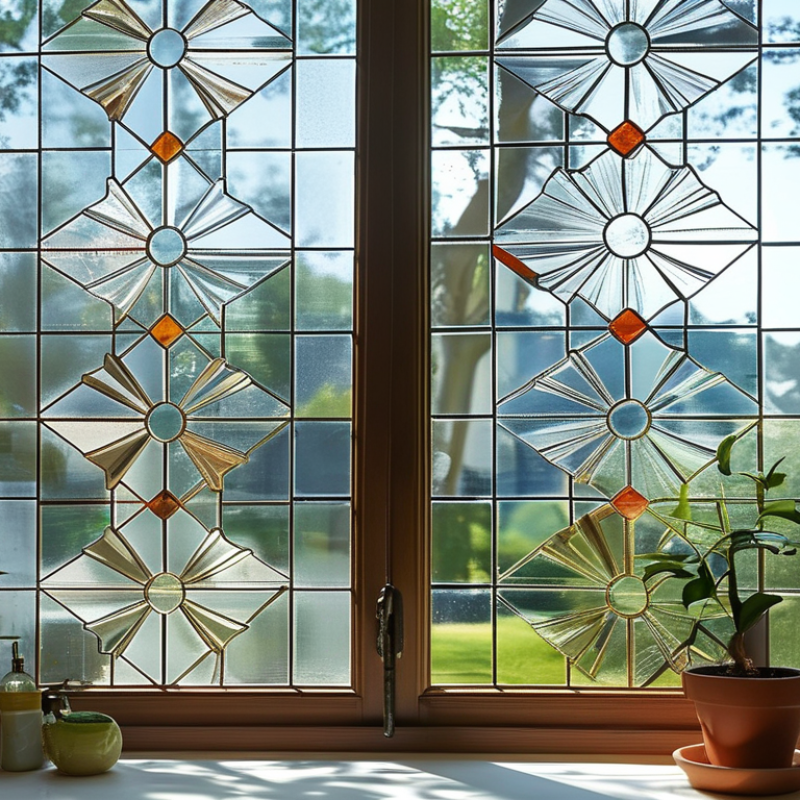
Glass tint serves a crucial role in protecting against harmful UV rays. According to industry research, nearly 90% of skin cancer cases are linked to sun exposure. This makes understanding glass tint options essential for maintaining health, particularly for homes and vehicles. Harmful UV radiation can lead to premature aging and skin issues, emphasizing the need for effective sun protection.
When considering glass tint, look for films that block at least 99% of UV rays. Some reports indicate that high-quality tints can reduce heat gain by up to 80%. These figures demonstrate the scientific backing for selecting the right tint. Yet, it’s important to note that not all tints provide equal protection. Some may fall short in performance or durability over time. Ensure that the tint you choose is certified and tested for effectiveness.
Keep in mind that aesthetics also matter. While darker tints can enhance privacy, they may not offer the best sun protection. Balancing appearance and utility can be a challenge. Reflect on your actual needs. Do you require maximum protection or just a subtle increase in comfort? It's vital to assess your priorities when choosing the right glass tint for your situation.
When selecting the right glass tint for sun protection, understanding the types available is crucial. Solar control films are popular choices. They can reduce heat by up to 50%. These films block harmful UV rays, making them ideal for homes and cars. The most common types are dyed, metalized, and ceramic tints. Each has unique features and benefits.
Dyed films are economical and provide basic protection. They absorb heat but may fade over time. Metalized tints, on the other hand, reflect UV rays effectively. However, they can interfere with electronic signals. Ceramic films are durable and non-reflective. They offer superior UV protection without compromising visibility. Choosing a quality film can lead to significant energy savings, with some studies reporting up to 30% lower cooling costs.
Consider the visible light transmission (VLT) percentage when picking a tint. A VLT of 20-30% provides more privacy and sun protection. Higher percentages allow more light but less protection. Installation quality also matters. Poor installation can lead to bubbling or peeling. Research shows that well-installed films last longer and perform better. Finding the right balance between aesthetics and functionality can be challenging but rewarding.
| Type of Glass Tint | Light Transmission | UV Protection (%) | Heat Rejection (%) | Warranty |
|---|---|---|---|---|
| Dyed Window Tint | 5% - 50% | 99% | 30% - 50% | Limited Lifetime |
| Metalized Window Tint | 5% - 40% | 99% | 40% - 60% | Limited Lifetime |
| Ceramic Window Tint | 20% - 50% | 99% | 50% - 70% | Limited Lifetime |
| Hybrid Window Tint | 5% - 35% | 99% | 40% - 60% | Limited Lifetime |
When selecting glass tint for sun protection, several key factors demand attention. The level of UV protection is crucial. Studies indicate that high-quality tints can block up to 99% of harmful UV rays. This is significant because prolonged UV exposure can lead to skin damage and even skin cancer. Choosing a tint that effectively reduces UV radiation should be a priority.
Visible light transmission is another important aspect. The darker the tint, the less visible light enters the space. Thus, an optimal balance is necessary. Research shows that a tint allowing 40% to 60% visible light is often sufficient for comfort and aesthetics while still providing sun protection. Data from industry reports indicates preference varies by location and personal taste.
Consider the longevity and durability of the tint as well. Some products may fade or discolor over time. An effective tint should have a lifespan of at least ten years without significant degradation. Understanding your specific needs can enhance your choice. Reflect on the type of environment and usage patterns, as these can influence the level of protection required and the best tint option.
Visible Light Transmission (VLT) plays a crucial role in selecting glass tint for sun protection. VLT measures the percentage of visible light that passes through tinted glass. Understanding this metric can guide your choice significantly. If you aim for maximum protection, a lower VLT percentage is more effective. Research shows that tints with a VLT of 50% or lower can block up to 99% of harmful UV rays. This is essential for safeguarding skin against potential damage.
However, a balance must be struck. While dark tints provide better UV protection, they can reduce visibility. A VLT below 35% may impair driver visibility, especially at night. According to studies from the American Society of Testing and Materials (ASTM), tints below this threshold can lead to increased glare. This can create safety hazards, raising questions about practicality versus protection. It’s vital to consider both aspects to achieve optimal safety and comfort.
Moreover, personal needs vary. Some individuals may require higher VLT for day-to-day activities, while others may prioritize UV protection due to previous skin issues. An ideal tint should accommodate your lifestyle without compromising safety. Experimenting with different VLT levels can reveal what feels best. The learning process is part of finding the right balance between protection and functionality in glass tint choices.
Installing glass tint can significantly enhance sun protection in your home or vehicle. However, to achieve optimal performance, proper installation and ongoing maintenance are crucial. Ensure that the surface of the glass is thoroughly cleaned before applying the tint. Dust and dirt can create bubbles and leave imperfections that compromise the look and function of the tint. Even small, overlooked particles can lead to larger issues later on.
Regular checks on the tint’s edges can help you catch any peeling or fading early. Although glass tint is designed to be durable, UV exposure can still take a toll over time. If you notice any discoloration or bubbling, consider consulting a professional. Ignoring these signs may lead to a need for full replacement sooner than expected. In some cases, DIY fixes might not achieve the desired results.
Proper care also extends to cleaning methods. Use non-abrasive cleaners that won't damage the tint. Avoid strong chemicals, as they may degrade the material. Even a seemingly harmless paper towel can scratch the surface. Reflect on your cleaning habits and make adjustments as necessary. Regular maintenance ensures that your glass tint continues to offer the best protection against sun damage.
: The main types are dyed, metalized, and ceramic tints. Each has different features and benefits.
They can reduce heat by up to 50% and block harmful UV rays, ideal for homes and cars.
VLT (Visible Light Transmission) measures how much light passes through tinted glass. It affects sun protection levels.
A VLT of 20-30% provides better privacy and sun protection compared to higher percentages.
Yes, tints below 35% VLT can impair visibility and increase glare, especially at night.
Poor installation can cause bubbling or peeling, leading to reduced lifespan and performance of the film.
Dyed films are economical and basic but may fade over time, requiring consideration of long-term needs.
Quality films can lead to significant energy savings, with studies showing up to 30% lower cooling costs.
Yes, balancing aesthetics and functionality can be challenging. Personal needs also vary greatly.
Yes, trying different levels can help find what suits your lifestyle and needs best.
Choosing the right glass tint for sun protection is crucial for enhancing comfort and safeguarding interiors from UV damage. Understanding the significance of glass tint involves recognizing its role in reducing heat and glare while blocking harmful rays. There are various types of glass tints available in the market, each offering unique benefits and aesthetic appeal. When selecting a tint, key factors such as Visible Light Transmission (VLT) must be considered, as it greatly influences sun protection levels.
In addition to these considerations, proper installation and maintenance are essential for optimal performance. Ensuring that the tint is applied correctly and cared for will maximize its effectiveness, leading to long-term benefits. By evaluating the available options and understanding how to choose the right glass tint for sun protection, individuals can make informed decisions that enhance their living or working spaces while protecting against the sun's harmful effects.

Spencer Window