When building or renovating a home, many seek energy efficiency. One significant aspect is choosing the right windows. Understanding "what are the best windows for passive house certification" is crucial for achieving this goal. Passive houses rely on specific building components to maximize energy savings.
Selecting windows involves considering several factors. U-value, solar gain, and airtightness play key roles. High-performance windows can reduce energy bills and enhance comfort. However, even with the best products, installation is critical. Poorly installed windows can lead to leaks and inefficiencies.
Reflecting on your choices is important. Consider the local climate and your specific needs. Custom solutions may be necessary. Understanding different window types requires guidance from experts. The right windows can significantly impact your home's sustainability and comfort.
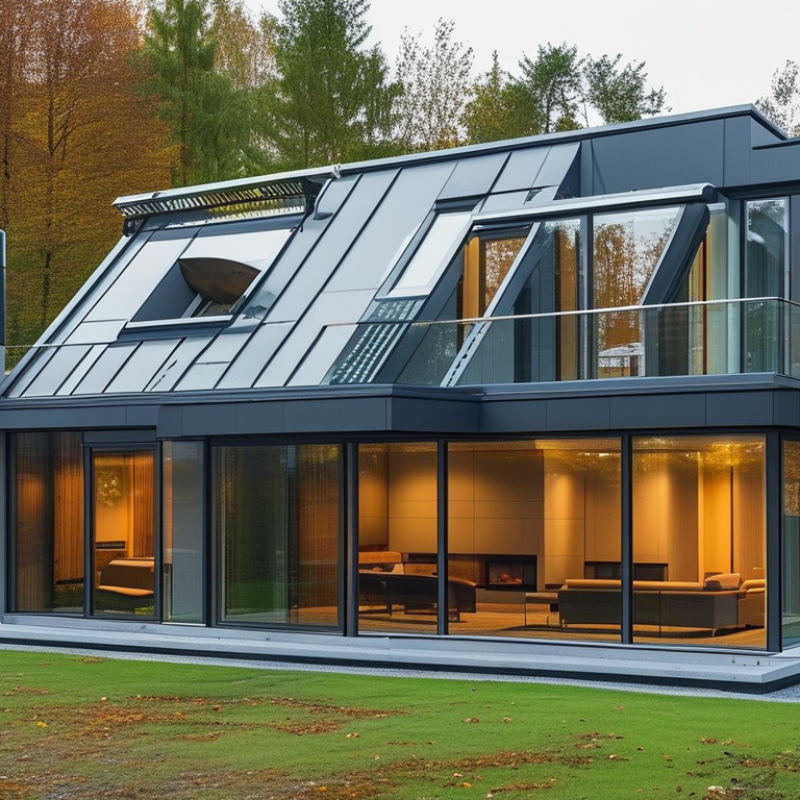
Passive House Certification sets high standards for energy efficiency and comfort. Understanding these criteria is essential for selecting windows that contribute to overall building performance. Key requirements include specific values for U-factors and solar heat gain coefficients. These measures influence how well windows insulate and regulate heat.
When choosing windows, consider their frame materials and glazing. For example, triple glazing often provides better insulation than double glazing. However, this option may not suit every budget or design. It's crucial to evaluate the overall impact of windows on energy use and indoor comfort. Research shows that uncomfortable drafts or poor insulation can lead to increased heating needs.
Another factor is the orientation and shading of windows. South-facing windows can optimize passive solar gain, enhancing thermal comfort in colder months. Yet, excessive direct sunlight may cause overheating in summer. Achieving a balance requires careful planning and consideration of local climate factors. Reflecting on these elements can lead to improved decisions in window selection for Passive House projects.
When selecting windows for Passive House certification, energy efficiency is paramount. Windows play a critical role in thermal performance, accounting for up to 30% of heat loss in a building. High-quality windows can significantly reduce heating and cooling costs. A study by the Passive House Institute shows that using triple-glazed windows can lower energy consumption by nearly 80% compared to standard double-glazed options.
Key features of energy-efficient windows include low U-values and high solar heat gain coefficients (SHGC). A low U-value indicates better insulation, meaning less heat escapes, while a suitable SHGC allows the sun's warmth to enter during colder months. Ideally, windows should have U-values below 0.15 for maximum efficiency. Some legitimate studies suggest that windows with a U-value of 0.10 can further enhance energy savings.
Additionally, proper installation is crucial. Even the best windows can underperform if not correctly fitted. Air leaks can reduce efficiency dramatically, leading to energy loss and discomfort. Reflecting on these aspects during your window selection process can lead to better energy savings and comfort in your passive house living space.
| Feature | Description | Importance for Passive House |
|---|---|---|
| U-Value | A measure of thermal transmittance; lower values indicate better insulation. | Critical for maintaining energy efficiency and comfort. |
| Solar Heat Gain Coefficient (SHGC) | Indicates how much solar radiation is admitted through the window. | Helps in optimizing passive solar heating during winter and minimizing heat gain in summer. |
| Frame Materials | Common materials include wood, vinyl, fiberglass, and aluminum. | Affects durability, maintenance needs, and thermal performance. |
| Gas Fills | Argon or Krypton gas fills between panes enhance insulation. | Increases overall energy efficiency of the window. |
| Window Size and Orientation | Impacts natural light intake and heat retention or loss. | Strategic design is essential for maximizing energy performance. |
| Seal Quality | High-quality seals reduce air leakage significantly. | Crucial for preventing drafts and energy waste. |
Choosing the right windows for Passive House certification involves understanding materials and construction techniques. Windows must maintain high energy efficiency while providing durability and aesthetic appeal. Research shows that triple-glazed windows significantly reduce energy loss. For instance, they can achieve U-values as low as 0.8 W/m²K, surpassing standard double-glazed options.
Materials play a crucial role in performance. Fiberglass and vinyl frames offer superior insulation compared to aluminum. The latter can conduct heat, leading to potential thermal bridging. Additionally, using low-emissivity (Low-E) coatings enhances energy retention. A report by the Passive House Institute indicated that using proper frame materials and glazing can lower heating requirements by up to 75%.
Construction techniques are equally essential. Proper sealing around installations helps avoid drafts and moisture issues. The importance of air tightness is highlighted by studies, which suggest that any leaks can drastically undermine energy performance. Even minor gaps can lead to significant heat loss. Utilizing advanced weather-stripping and installation methods can mitigate these risks and improve overall comfort.
When selecting windows for Passive House Certification, focus on U-values and Solar Heat Gain Coefficient (SHGC). These two elements significantly impact energy performance. U-value measures heat transfer; lower values indicate better insulation. Select windows with low U-values to maintain a stable indoor temperature throughout the year.
Temperatures can vary based on location and climate. Understand how your local weather affects window performance. In cold climates, prioritize low U-values. In warmer regions, a balanced SHGC becomes essential. High SHGC offers solar gain, warming spaces in winter. Yet, too much heat in summer can overwhelm cooling systems.
Tip 1: Look for triple glazing when feasible. This can enhance insulation and reduce heating demands.
Tip 2: Choose frames with high thermal resistance. Materials like fiberglass or insulated vinyl provide stability.
Reflect on the fact that achieving the perfect balance might be challenging. No window is flawless. Monitor energy performance after installation to ensure they meet your needs. Adjustments may be needed to optimize energy efficiency in your passive design.
When considering windows for Passive House certification, budgeting and installation are crucial factors. Quality windows can be expensive, but they significantly enhance energy efficiency. Allocating funds accordingly is essential. The aim is to create a comfortable indoor climate while minimizing energy consumption.
Consider the costs of specialized materials and advanced technologies. Choosing triple-glazed windows may be ideal for thermal performance. However, this option tends to be pricier. Remember to factor in installation expenses. Proper installation is key to maximizing the benefits of your windows. Poor installation can lead to leaks and energy loss.
**Tips:** Always consult professionals during the budgeting phase. They can provide insights into cost-effective options. Look for local incentives for energy-efficient upgrades. It's also wise to gather multiple quotes for installation. These steps will ensure you make informed decisions. Balancing quality and budget is challenging but worth the effort. Take your time to research before making a final choice.
This chart displays four key performance metrics for selecting windows suitable for Passive House certification. The U-Value indicates thermal insulation quality, the Solar Heat Gain Coefficient measures solar energy absorbed, while the Air Leakage Rate reflects air tightness. The cost per window is also illustrated for budgeting purposes.
: It is a standard for energy efficiency and comfort in building design.
Lower U-values indicate better insulation, crucial for maintaining indoor temperature.
South-facing windows enhance solar gain in winter but can cause overheating in summer.
SHGC measures how much solar heat enters through windows, influencing energy use.
It provides better insulation, reducing heating demands and improving comfort.
Local weather impacts energy performance, so consider U-values and SHGC based on your region.
Fiberglass or insulated vinyl offers high thermal resistance and stability.
Achieving balance is tough; monitor energy performance after installation for adjustments.
Yes, drafts and inadequate insulation can significantly increase heating requirements.
No window is flawless; adjustments may be necessary to optimize efficiency post-installation.
Choosing the best windows for passive house certification involves a thorough understanding of the specific standards that define energy efficiency. Key features critical to this certification include high-performance glazing, superior thermal insulation, and precise air sealing. Materials such as wood, aluminum, and uPVC can offer different benefits in terms of energy retention and longevity. It's essential to evaluate windows based on their U-values, which measure thermal transmittance, and Solar Heat Gain Coefficient (SHGC), which influences indoor temperature management.
When considering what are the best windows for passive house certification, one must also factor in budgeting and installation logistics, ensuring that chosen options are not only high quality but also aligned with the project's financial constraints. Proper installation is crucial to maximizing the windows' performance and achieving the desired energy efficiency in a passive house setting.

Spencer Window