How to Childproof Outward Opening Windows on Second Stories?

Time:2026-07-01 Author:Ethan
0%

When it comes to child safety, windows can pose a significant risk, especially on the second story. Parents often worry about their young children exploring their living environment. Outward opening windows are even more concerning. They create an opportunity for curious little ones to lean too far or slip out.

Understanding **how to childproof second-story outward opening windows** is essential. You want peace of mind without compromising ventilation or aesthetics. Simple barriers can be effective. Consider window locks or safety screens that allow airflow while keeping kids safe.

While these methods can help, no solution is perfect. Each home is unique, requiring personalized approaches. Regular checks on your window safety measures are crucial. Reflect on your child’s growth and changing curiosity. Reevaluate your strategies, ensuring that safety remains a priority. Taking these steps can help create a secure home environment.
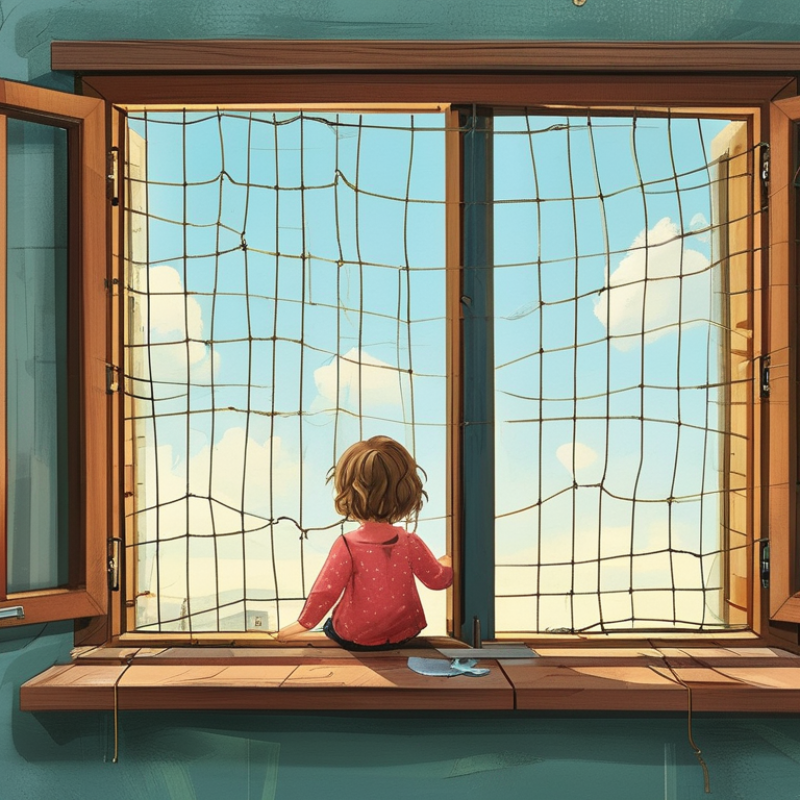
How to Childproof Outward Opening Windows on Second Stories?

Understanding the Risks of Outward Opening Windows on Upper Floors

Outward opening windows on upper floors pose significant risks. They provide a tempting escape for curious children. A small moment of distraction can lead to grave consequences. These windows can easily become hazards without proper precautions.

The design of outward opening windows allows them to swing wide open, sometimes with little resistance. This invites little ones to lean out or climb. Even a brief lapse in supervision can result in tragic falls. Parents must understand the critical nature of securing these windows effectively.

Childproofing is essential for homes with upper-level windows. Install sturdy window locks and restrict opening ranges. Consider adding safety screens or guardrails as additional barriers. Regularly check these measures to ensure they function properly. Remember, it’s about creating a safe environment where children can explore without danger.

Assessing Window Safety Features for Childproofing Solutions

When it comes to childproofing outward opening windows on second stories, assessing window safety features is crucial. Many families overlook the potential hazards these windows can pose. Outward opening windows can create risks if children lean or climb. A thorough examination of safety mechanisms can help mitigate dangers. Look for window locks that are hard for kids to manipulate. Reinforcing windows with safety screens can also be beneficial.

Another effective solution is using window stops. These devices can prevent windows from opening fully. However, implementing these measures requires careful thought. Not all solutions fit every window type. Regular checks are necessary to ensure everything is functioning correctly. Over time, wear and tear can compromise safety features. Parents should also consider their children's behavior. A child's curiosity can outweigh safety barriers.

It’s vital to remember that childproofing measures are not foolproof. Regular discussions about window safety can help reinforce their importance. Engage children in conversations about why they should avoid certain areas in the home. Education plays a key role in safety. By fostering awareness, parents can create a safer living environment.

Implementing Window Locks and Latches for Enhanced Security

Securing outward opening windows on second stories is essential for child safety. One effective solution is installing window locks. These locks prevent the window from opening too wide, reducing the risk of falls. Look for models designed for easy installation and durability. They should withstand frequent use without breaking down. Consider the material and mechanism. A robust lock boosts confidence in its safety features.

Latches also enhance window security. Choose latches that are child-proof. They should be easy for adults to operate yet difficult for children. This balance is key. Simple designs work well. Adjustable latches can fit various window sizes, providing flexibility. Regular checks on the hardware are crucial. Over time, wear and tear can affect function.

Remember that even the best locks and latches need maintenance. Checking the condition of these devices regularly helps ensure their effectiveness. Occasional cleaning can prevent malfunction. Discuss safety measures with caregivers. Education on window safety is essential. Encourage all household members to follow safety protocols. Reflection on these practices can lead to better awareness and prevention. Keeping our children safe requires ongoing effort.

Using Window Guards and Screens for Added Protection

When considering childproofing outward opening windows on second stories, window guards and screens are vital. Window guards provide a solid barrier. This ensures children cannot accidentally fall out. They come in various designs. Some are easy to install and remove, allowing for emergency exits.

Screens add another layer of safety. They keep insects out while allowing fresh air in. Choose durable materials. Lightweight screens can be more manageable for everyday use. It's essential to secure these screens properly. An improperly fitted screen can be a risk, not a safeguard.

Many parents overlook the importance of regular checks. Over time, wear and tear can weaken guards and screens. Check connections to ensure they remain secure. Adjustments may be needed as children grow. Childproofing is not a one-time task. It requires ongoing attention for maximum safety.

Regular Maintenance and Safety Checks for Childproofed Windows

Regular maintenance of childproofed windows is essential in preventing accidents. According to a 2021 study by the National Safety Council, falls from windows account for nearly 14,000 injuries annually among children aged 5 and under. Ensuring that window locks and safety mechanisms function properly can significantly reduce these numbers. It’s imperative to check that all locks engage securely and that no hardware is worn or damaged. Neglecting these checks can lead to unexpected failures.

Routine inspections should include examining the window screen. A damaged screen may seem harmless, but it can give a false sense of security. Screens are not designed to prevent falls; they only keep insects out. It’s crucial to educate caregivers about this. Routine education sessions on window safety can help emphasize this point. Additionally, weather-related wear can compromise window safety features. In areas with harsh winters, for instance, freezing temperatures may lead to contraction or damage.

Reflecting on the common oversights in childproofing can lead to better safety practices. Many parents may assume that merely installing locks is enough. However, without consistent checks, these devices can fail to protect. Establishing a habit of monthly safety checks can help alleviate potential risks. A proactive approach is key to ensuring that the measures you put in place remain effective.

Safety Checks for Childproof Windows on Second Stories

FAQS

: What are the risks of outward opening windows on upper floors?

: These windows can tempt curious children, leading to dangerous falls if not secured properly.

How can parents secure outward opening windows?

Install sturdy locks, restrict opening ranges, and add safety screens or guardrails for extra protection.

What should families assess in window safety features?

Examine locks, look for window stops, and ensure all safety mechanisms are effective and reliable.

Why is childproofing particularly necessary for upper-level windows?

Children may lean or climb through these windows, posing significant danger without proper safeguards in place.

How often should window safety measures be checked?

Regular checks are essential to ensure that all safety features remain functional and effective over time.

Are childproofing measures completely safe?

No, they are not foolproof. Continued discussions and education on safety are crucial for reinforcing awareness.

What role does education play in window safety?

Teaching children about the dangers helps build awareness and prevents risky behavior near windows.

Can every window type utilize the same safety measures?

No, safety solutions must be tailored to each window type for effective usage and protection.

What can compromise window safety features?

Over time, wear and tear can reduce effectiveness, highlighting the need for regular maintenance checks.

Should parents consider their child's behavior when assessing window safety?

Yes, a child's natural curiosity can override safety barriers, making awareness an ongoing discussion.

Conclusion

When considering how to childproof second-story outward opening windows, it is essential to first understand the inherent risks these windows pose to young children. The elevation and design make them particularly hazardous if children attempt to climb or lean out. To address this concern, evaluating the existing safety features of the windows is crucial. Incorporating window locks and latches can significantly enhance security and prevent accidental openings.

Additionally, using window guards and screens provides an extra layer of protection, ensuring that windows can be safely opened for ventilation without risking a fall. Regular maintenance and safety checks of childproofed windows are important to ensure that these mechanisms remain effective over time. By following these guidelines, homeowners can create a safer environment for children while still enjoying the benefits of their outward opening windows.

Ethan

Ethan

Ethan is a seasoned marketing professional with a deep expertise in our company's innovative product line. With a passion for sharing knowledge and insights, he takes the lead in regularly updating our corporate blog, where he explores industry trends, product features, and effective marketing......