Best Window Style for Coastal Climates What to Choose?

Time:2026-05-19 Author:Liam
0%

Choosing the right window style is crucial for homes in coastal climates. With salty air, strong winds, and high humidity, the windows you select must withstand these challenges. When considering "What is the best window style for coastal climates," various factors come into play.

Impact-resistant windows are often recommended. They can endure severe weather and resist breaking under pressure. These windows usually feature reinforced frames and laminated glass, providing durability. However, the upfront cost can be a concern for some homeowners.

Additionally, aesthetics matter. You want windows that enhance your home’s design while serving a functional purpose. Styles like picture windows or casement windows offer large views and can complement coastal settings. Still, you should be mindful of how their framing interacts with the coastal environment. Reflecting on your choices will help in making the best decision for your home.
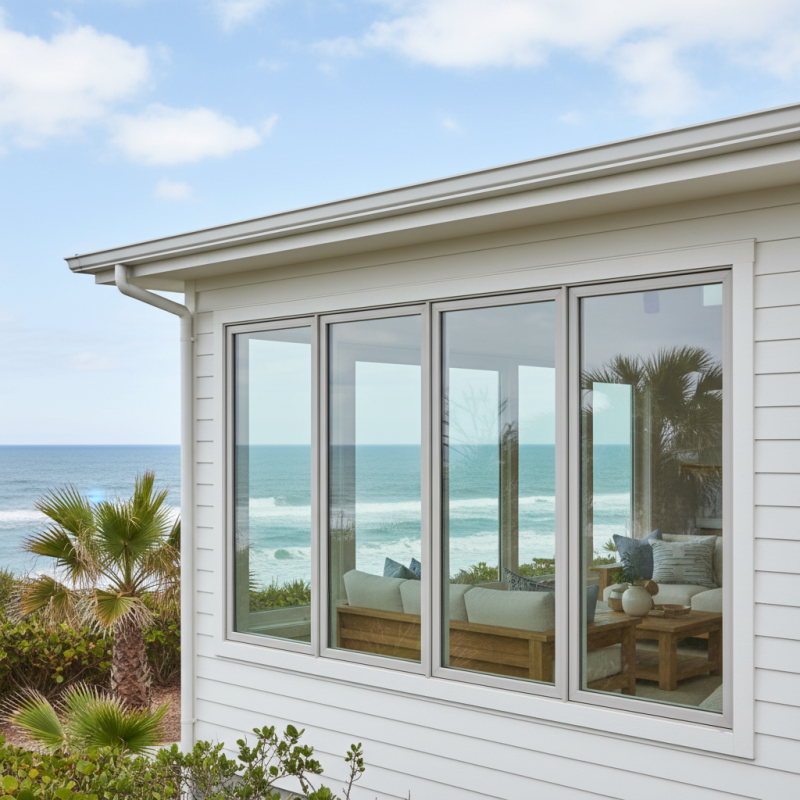
Best Window Style for Coastal Climates What to Choose?

Understanding the Unique Challenges of Coastal Climates for Windows

Coastal climates present unique challenges for homeowners, particularly concerning window selection. High humidity, saltwater exposure, and strong winds can severely affect window durability and performance. According to recent studies, homes in coastal areas often experience faster degradation of materials. The constant exposure to salt and moisture can lead to corrosion of metal frames and seals. This degradation often occurs within five years, requiring more frequent maintenance or replacements.

Choosing the right window style is crucial. Impact-resistant windows are a popular option, offering enhanced durability against harsh weather. A report by the American Society of Civil Engineers indicates that homes equipped with impact-resistant windows reduce damage by 80% during storms. These windows are specifically designed to withstand high winds and flying debris. However, not all homeowners fully understand the importance of this investment. Many still opt for traditional window styles, unaware of the long-term costs associated with repairs and replacements.

Another consideration is insulation. The coastal environment often leads to higher energy costs due to fluctuating temperatures. Quality windows can significantly improve energy efficiency. According to the U.S. Department of Energy, energy-efficient windows can save homeowners up to 30% on their heating and cooling costs. However, not every window marketed as energy-efficient lives up to these claims. Homeowners must be diligent in their research, seeking out reliable information and reviews.

Best Window Style for Coastal Climates What to Choose?

Window Style Material Weather Resistance Energy Efficiency Maintenance
Casement Windows Vinyl High Good Low
Double-Hung Windows Wood Moderate Excellent Moderate
Sliding Windows Aluminum High Good Low
Hurricane Windows Impact-Resistant Glass Very High Excellent Low

Key Features to Look for in Windows for Coastal Environments

Choosing windows for coastal climates involves understanding specific features that can withstand unique environmental challenges. The ideal windows should be resistant to saltwater corrosion and strong winds. Look for materials like vinyl or fiberglass, which offer durability and low maintenance. Coastal windows must also provide superior insulation to combat humidity and temperature fluctuation.

Tips: Always check the product’s warranty. A robust warranty often reflects quality. Ratings for energy efficiency are essential. They indicate how well the windows will perform.

Ensure that the windows feature impact-resistant glass. This protection helps against flying debris during storms. Double or triple glazing can enhance insulation and soundproofing. Additionally, sealed frames can prevent water intrusion, which is crucial for coastal areas.

Investing in quality windows is crucial for long-term benefits. However, cheaper options might seem appealing but may cause issues down the line. Reflection on your choices can save money and effort later on. Don’t overlook the importance of professional installation, as improper fitting can lead to leaks and other problems.

Comparing Different Window Styles Suitability for Coastal Areas

Coastal climates present unique challenges for window styles. High humidity, salt spray, and strong winds demand specialized features. According to the American Institute of Architects, coastal homes should have windows that resist corrosion and withstand impact. This highlights the need for durability and weather resistance.

Double and triple-pane windows are ideal for such environments. They provide better insulation against heat loss. Marine-rated window frames, often made from vinyl or fiberglass, resist deterioration. In contrast, wooden frames may require more maintenance. A study by the National Institute of Building Sciences suggests that vinyl windows show a 30% lower failure rate in coastal areas compared to wood.

Consider functional aspects as well. Casement windows, which open outward, can provide better ventilation. They also create a tighter seal when closed. However, they can be susceptible to strong gusts. Sliding windows, while easier to operate, may not offer the same level of protection. Finding the right balance between aesthetics and functionality remains a challenge for homeowners.

Materials That Best Withstand Coastal Weather Conditions

Coastal climates present unique challenges for homeowners. High humidity, saltwater, and strong winds can wear down materials quickly. Therefore, selecting window materials that withstand these conditions is crucial for longevity and performance.

Vinyl and fiberglass are popular choices in coastal areas. They resist moisture and don't warp or rust. Vinyl frames can endure salty air without degrading. However, some people may prefer the aesthetics of wood. This option requires regular maintenance and protective coatings to prevent rot and warping.

Aluminum windows offer durability, but they can corrode over time in harsh coastal environments. Many homeowners overlook this. Still, with proper anodization or coatings, aluminum can provide a viable option. Balance aesthetics and functionality when making your choice. Think about the long-term care needed to ensure your windows remain effective against the coastal elements.

Energy Efficiency Considerations for Coastal Window Selection

Coastal climates present unique challenges for homeowners, especially when it comes to energy efficiency. When selecting windows for these environments, consider factors like insulation and resistance to salty air. Windows should be designed to handle humidity and prevent corrosion. Double or triple glazing can provide better insulation, which is critical in coastal areas where temperatures fluctuate.

The frame material also plays a key role. Vinyl and fiberglass are often recommended for their durability against harsh weather. These materials resist moisture and do not warp easily. Additionally, look for windows with low-E coatings to reflect heat. This feature helps to maintain a comfortable indoor temperature while reducing reliance on heating or cooling systems.

However, cost can be a concern. High-quality windows often come with a steep price tag. Homeowners must weigh the benefits of energy efficiency against their budgets. Investing in better windows might lead to savings in energy bills over time, but initial costs can be daunting. Researching and consulting with experts can help make informed decisions, ensuring that you choose the best options for your unique coastal setting.

Best Window Styles for Coastal Climates: Energy Efficiency Considerations

FAQS

: What are the main challenges of choosing windows for coastal areas?

: High humidity and salt spray can damage windows. Strong winds require durable options that resist impact.

Which window types are recommended for coastal climates?

Double and triple-pane windows are ideal. They offer better insulation against heat loss, vital in fluctuating temperatures.

What materials are best for window frames in coastal regions?

Vinyl and fiberglass are preferable due to their resistance to corrosion. Wooden frames need more maintenance.

How can energy efficiency be achieved with coastal windows?

Look for windows with low-E coatings. These help reflect heat, maintaining comfortable indoor temperatures and saving energy.

Are there ventilation considerations for windows in coastal homes?

Casement windows provide better ventilation but may be affected by winds. Sliding windows are easier but less protective.

What should homeowners consider regarding window costs?

Quality windows can be expensive. Weigh initial costs against potential long-term savings on energy bills.

Is it necessary to consult experts when selecting windows?

Yes, expert advice helps navigate options effectively. This ensures better decision-making for your unique coastal needs.

Can wooden window frames ever be a good choice?

They can be aesthetically pleasing but require more upkeep. Consider if you're willing to invest time and effort in maintenance.

How often should windows in coastal areas be checked?

Regular inspections are vital. Look for signs of wear and corrosion, especially after storms or harsh weather.

Do energy-efficient windows really save money over time?

Yes, but the initial investment can be high. Reflect on how urgent the need for savings is in your situation.

Conclusion

When considering what is the best window style for coastal climates, it's essential to understand the unique challenges posed by these environments, including high humidity, saltwater exposure, and strong winds. Windows in coastal settings must be durable and resistant to corrosion, which may influence the choice of materials and styles. Key features to look for include impact resistance and energy efficiency, as these factors contribute to the longevity and performance of the windows.

Different window styles can vary significantly in their suitability for coastal areas. For example, casement and double-hung windows may offer better sealing and ventilation, while materials like fiberglass and vinyl are recommended for their resilience against harsh weather conditions. Ultimately, homeowners should prioritize energy efficiency alongside durability to ensure optimal comfort and protection in coastal climates.

Liam

Liam

Liam is a dedicated marketing professional with a profound expertise in the industry, where he excels at highlighting the unique advantages of our core products. With a keen understanding of market trends and consumer needs, Liam frequently updates our company’s professional blog, providing......